Revolutionizing Financial Services: Top Fintech App Concepts for 2023

Fintech is a term used to describe companies that use technology to provide financial services, products, and solutions. These companies use innovative technologies to improve the efficiency and effectiveness of financial services, including banking, lending, payments, insurance, and investment management.

Fintech is booming for several reasons:

Increased demand for digital services: With the widespread adoption of smartphones and other mobile devices, consumers have come to expect quick, convenient, and accessible digital services, including financial services.

Reduced barriers to entry: Fintech startups can quickly develop and launch new products and services with fewer regulatory barriers compared to traditional financial institutions.

Disintermediation: Fintech companies are often able to provide financial services more efficiently and cost-effectively than traditional institutions, cutting out intermediaries and passing on savings to consumers.

Increased access to data: The vast amounts of data generated by digital transactions and interactions provide opportunities for fintech companies to develop new products and services and make more informed business decisions.
Evolving regulatory landscape: Governments and regulators around the world are recognizing the potential of fintech to improve financial services and are adapting regulations to encourage innovation and competition.

Fintech Market Overview

Metric Value
Global fintech market Expected to reach $460 billion by 2025
Fintech investment $105 billion in 2020
Consumer adoption 96% of consumers have used at least one fintech service
Digital payments Projected market size of $8.2 trillion by 2024
Digital banking Projected market size of $22.3 billion by 2026
Insurtech Projected market size of $16.8 billion by 2025


Trends that will revolutionize fintech in 2023

AI & ML: With the help of automation and more precise consumer behavior insights, AI and ML may change banking, payments, investments, risk management, and more.

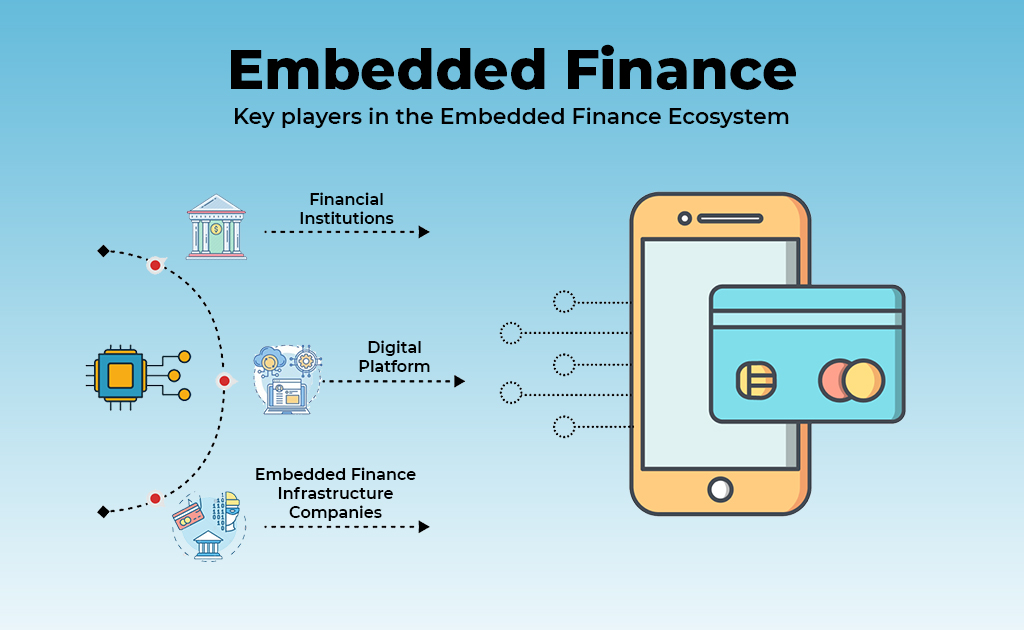
Embedded Finance: Financial services and products embedded within an existing app or platform, such as “Buy Now Pay Later,” are gaining popularity, predicted to expand by 40.4% annually.
SaaS: The SaaS sector is expected to hit $623 billion in 2023, allowing companies to access and pay for software applications hosted in the cloud without installing them on their servers or computers.

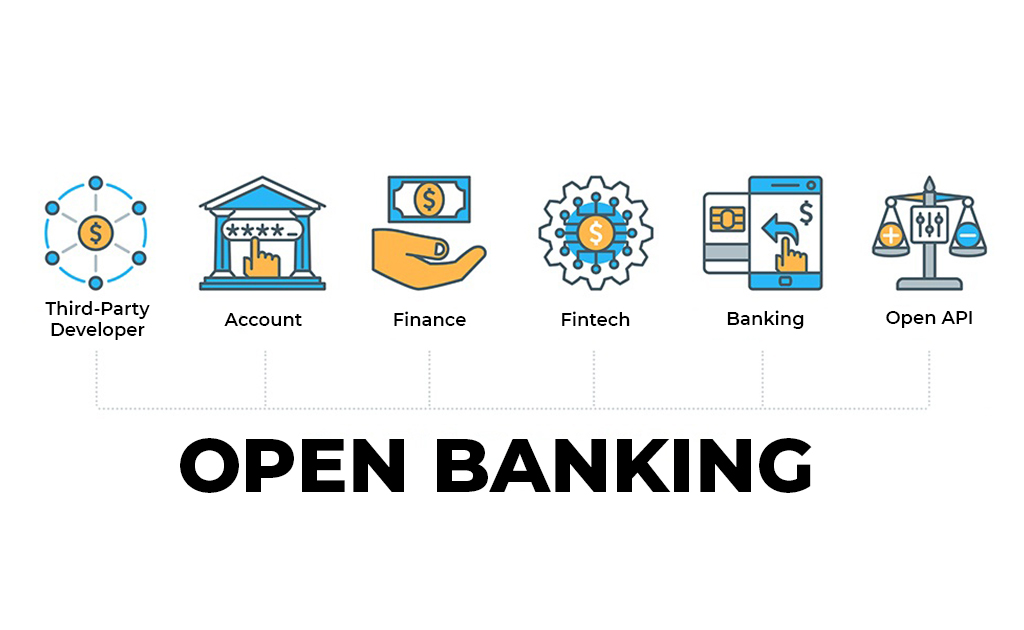
Open Banking: Customers can securely share their financial information with third parties, providing convenience for customers and opportunities for businesses to access new markets and increase efficiency.
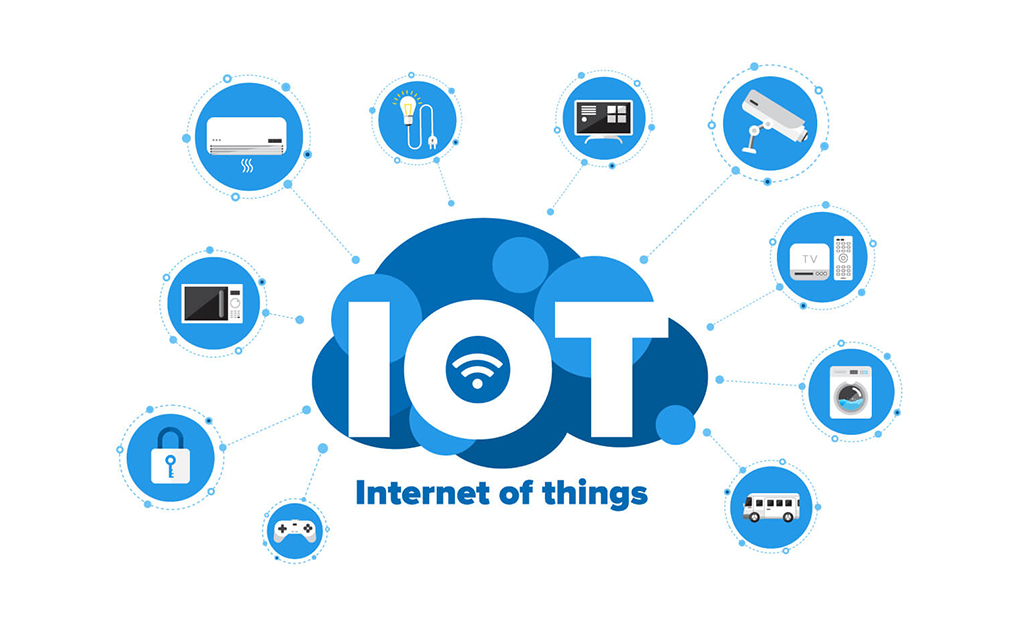
IoT: Physical devices connected to the internet can collect data, analyze it, and automate responses based on preset preferences or behaviors, making banking more secure, efficient, and convenient.

Blockchain: A digital ledger that records and verifies different types of transactions, allowing for secure transfer of digital assets without relying on central authorities or intermediaries.
Fintech App Ideas That Will Definitely Work In 2023

Personal finance management app: An app that uses artificial intelligence and machine learning to help users manage their finances. The app could track spending, provide insights into spending habits, and suggest ways to save money and invest.

Instant loan approval app: An app that uses blockchain technology to provide instant loan approval and disbursement. The app could use smart contracts to verify identity, creditworthiness, and other criteria, allowing users to get a loan quickly and easily.

Digital wealth management app: An app that provides personalized investment advice and portfolio management. The app could use algorithms to recommend investments based on users’ financial goals, risk tolerance, and other factors.

Digital identity verification app: An app that uses biometrics and other technology to verify identity for financial transactions. The app could help prevent fraud and streamline the onboarding process for financial services.

Social impact investing app: An app that allows users to invest in companies and projects that have a positive social or environmental impact. The app could provide information on the impact of investments and allow users to track their social and financial returns.

Why Invest In Fintech?

Growing market: The fintech industry is expanding rapidly, driven by technological advancements and increasing consumer demand for digital financial services. As a result, there is ample opportunity for fintech businesses to grow and capture a larger share of the market.

Disruptive potential: Fintech startups have the potential to disrupt traditional financial services, which can lead to significant market share gains and revenue growth.

Innovative technology: Fintech businesses often leverage innovative technology, such as artificial intelligence, blockchain, and machine learning, to provide more efficient and effective financial services. This can lead to cost-of-development savings and improved customer experiences.

Scalability: Fintech businesses can often scale more quickly and easily than traditional financial institutions, as they are not burdened by legacy systems and processes.

Access to data: Fintech businesses have access to vast amounts of data, which can be used to improve services and develop new products.

Attracting younger consumers: Fintech businesses are often popular among younger consumers who prefer digital solutions over traditional financial services.

Summing up

 Fintech is evolving at an unprecedented pace, and businesses need to keep up with the latest trends to stay competitive. From AI and machine learning to embedded finance, SaaS, open banking, IoT, and blockchain, there are numerous opportunities for companies to innovate and provide better services to their customers.

With over 18 years of expertise, Communication Crafts is a leading software development company with a proven experience in the fintech industry. Our team of experts can help you develop and implement cutting-edge fintech solutions tailored to your specific needs.

Whether you are looking to automate your processes, improve your customer experiences, or expand your market reach, our team has the knowledge and skills to deliver scalable results. 

Challenge the status quo
Develop Scalable Fintech Apps With Us

Build Your Own FinTech App- [In-depth Budget Estimate]

Financial technology, or fintech, has seen a tremendous boom in recent years. With the rise of digital banking and mobile payments, more and more people are looking to invest, save, and manage their money using apps and online platforms. As a result, building a fintech app can be a lucrative business opportunity. However, the cost of building such an app can vary greatly depending on a number of factors. In this article, we’ll explore these factors in-depth to give you a better idea of how much it might cost to build your own fintech app.

  1. Type of Fintech App

The first factor to consider when determining the cost of building a fintech app is the type of app you want to create. Fintech is a broad category that encompasses a variety of different applications, including mobile banking, investment platforms, budgeting tools, and payment processors. Each of these types of apps has its own unique features and requirements, which can impact the cost of development.

For example, a mobile banking app that allows users to deposit checks, transfer funds, and pay bills will likely require more complex features and security measures than a simple budgeting app. As a result, the cost of developing a mobile banking app will likely be higher than that of a budgeting app.

  1. Features and Functionality

The features and functionality of your fintech app will also play a major role in determining its cost. The more complex and sophisticated your app’s features are, the more time and resources will be required to develop them. Some common features of fintech apps include:

  • Account creation and management
  • Secure login and authentication
  • Payment processing and transfers
  • Budgeting and expense tracking
  • Investment portfolio management
  • Financial analysis and reporting
  • Data analytics and insights

Keep in mind that each of these features will require careful planning and development, and some may require additional resources like third-party integrations or APIs. As a result, the more features you want to include in your app, the higher its cost is likely to be.

  1. Design and User Experience

In addition to functionality, the design and user experience of your fintech app can also impact its cost. A well-designed app with a clean, intuitive interface will likely require more time and resources to develop than a more basic or cluttered app. Consider working with a professional designer or UX specialist to ensure that your app is user-friendly and visually appealing.

  1. Platform and Technology

The platform and technology you choose to build your fintech app on can also impact its cost. For example, developing an app for iOS and Android will require additional development time and resources compared to building an app for just one platform. Additionally, certain technologies like blockchain or artificial intelligence may require specialized expertise and development tools, which can increase the cost of development.

  1. Development Team

Finally, the cost of building a fintech app will also depend on the development team you choose to work with. There are many options available, from hiring an in-house team to working with a third-party development agency. Each of these options has its own pros and cons in terms of cost, expertise, and flexibility.

Working with an in-house team can provide greater control and flexibility over the development process, but can also be more expensive in terms of hiring and managing staff. Alternatively, working with a third-party development agency can be more cost-effective, but may require sacrificing some control over the development process.

Conclusion

Building a fintech app can be a lucrative business opportunity, but it’s important to understand the factors that can impact its cost. By considering the type of app, features and functionality, design and user experience, platform and technology, and development team, you can get a better idea of how much it might cost to build your own fintech app.

Why Should You Build a FinTech App?

Financial technology, or FinTech, has revolutionized the financial industry by providing innovative solutions that make it easier and more efficient for people to manage their money. In recent years, the growth of the FinTech industry has been unprecedented, with investment in the sector reaching record highs. As a result, more and more entrepreneurs are looking to build FinTech apps. If you’re considering building a FinTech app, here are some reasons why it might be a great idea.

  1. Addressing Consumer Needs

The financial industry has traditionally been dominated by large banks and financial institutions that have been slow to adopt new technologies and cater to the evolving needs of consumers. This has left a gap in the market for FinTech startups to address these needs. By building a FinTech app, you can offer solutions that are tailored to specific consumer needs and that traditional financial institutions have not been able to provide. For example, you could build an app that makes it easier for people to manage their finances, invest their money, or access credit.

  1. Access to New Markets

FinTech apps have the potential to reach a global audience, providing access to new markets that might not have been previously accessible. By building a FinTech app that addresses the needs of a specific market, you can tap into a new customer base and grow your business.

  1. Disrupting Traditional Banking

FinTech startups are challenging the traditional banking industry by offering innovative, more user-friendly, faster, and more cost-effective solutions. By building a FinTech app, you can disrupt the traditional banking industry and provide consumers with an alternative to conventional banking services. This can be especially appealing to millennials and other tech-savvy consumers who are looking for a more modern and convenient way to manage their money.

  1. Revenue Generation

FinTech startups have the potential to generate significant revenue by providing innovative solutions that solve consumer problems. By building a FinTech app, you can generate revenue through subscription fees, transaction fees, and other revenue models. As your user base grows, your revenue potential will increase, providing a scalable business model that can generate significant profits.

  1. Competitive Advantage

Building a FinTech app can provide you with a competitive advantage by offering a unique solution that is not available from traditional financial institutions. This can make it easier to attract and retain customers, as well as differentiate your business from competitors.

  1. Lower Costs

One of the key advantages of building a FinTech app is the lower cost of entry compared to traditional banking services. Building an app is typically cheaper than building a physical bank branch, and the costs of running an app are lower than those of running a traditional bank. This can make it easier to get started and can provide a more cost-effective solution for consumers.

  1. Technology Advancements

FinTech is constantly evolving, with new technologies emerging that can be leveraged to provide innovative solutions. By building a FinTech app, you can stay at the forefront of technology advancements and provide solutions that are more advanced than those of traditional financial institutions. This can help to attract tech-savvy consumers who are looking for a more advanced solution to manage their money.

  1. Regulation

The FinTech industry is subject to regulation, but the regulatory landscape is still evolving. This means that there are opportunities for startups to build apps that are compliant with regulations but that provide innovative solutions that traditional financial institutions have not been able to provide. By building a FinTech app that complies with regulations, you can provide consumers with a more secure and reliable solution to manage their money.

In conclusion, building a FinTech app can be a great business opportunity, providing access to new markets, addressing consumer needs, disrupting traditional banking, generating revenue, providing a competitive advantage, lower costs, technology advancements, and regulatory compliance.

Build your Fintech App With Communication Crafts

Developing a fintech app is a highly complex project. and we get it. With more than 17 years of hands-on experience, we have been developing scalable apps that meet our client’s vision and requirements. We are a team of expert developers who develop ground-breaking mobile apps with a time-tested process.

 Choose from our pool of rigorously vetted mobile app developers for hire and get your app built remotely through seamless collaboration.

Hire Fintech App Developers who best match your vision.

                Onboard now