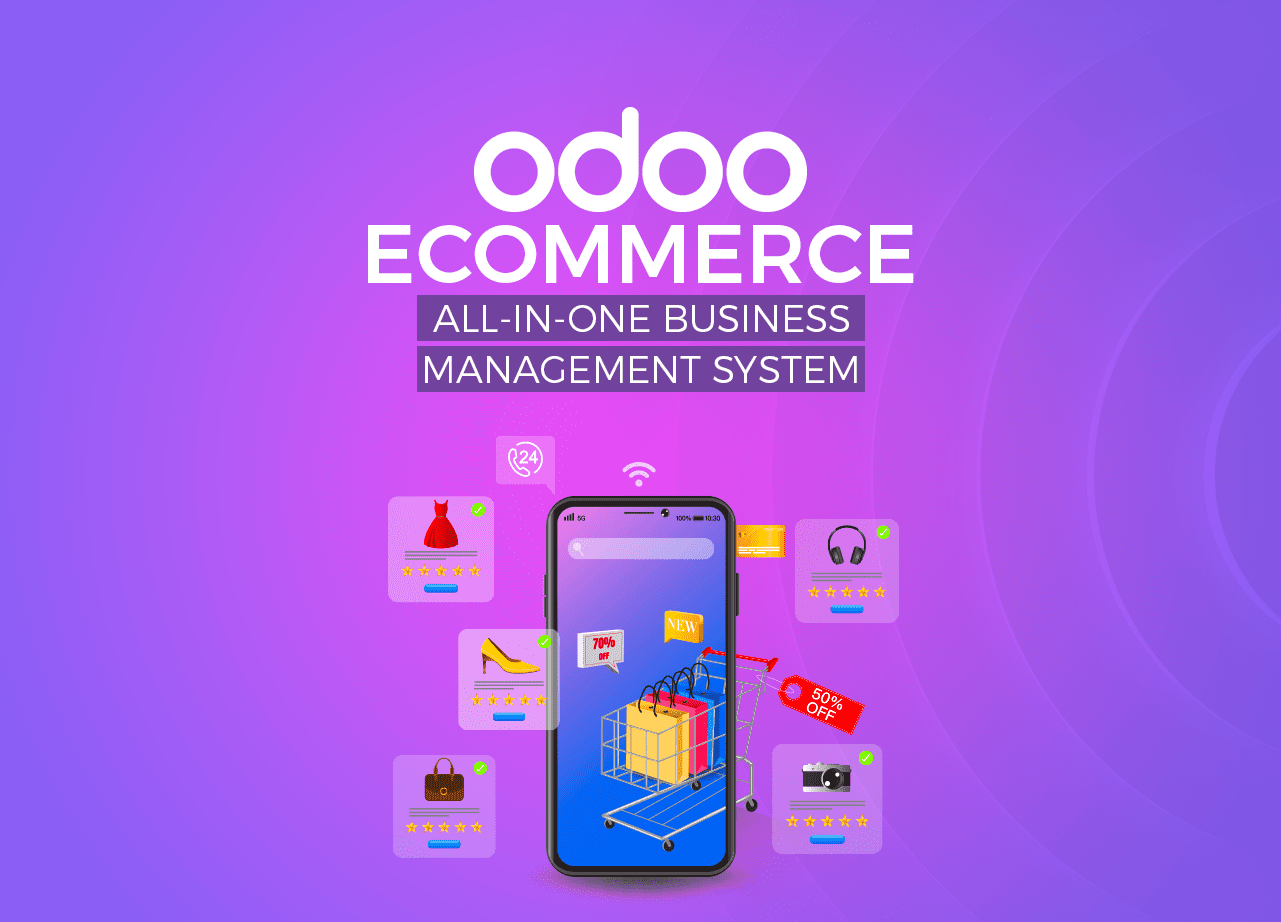
Odoo eCommerce: All-in-One Business Management System

If you are looking for a full-fledged management system to streamline business operations and increase business efficiency, then Odoo ERP is what you should go with.

Odoo eCommerce is a powerful app/module in Odoo, which you can use to build your eCommerce website. Using Odoo, you can easily integrate it with your Enterprise Resource Planning (ERP) software, Content Management System (CMS), and Customer Relationship Management (CRM) to create the perfect eCommerce shop.

Managing a business is never easy. As your company grows, it gets more and more demanding. The cluster of data and daily tasks can be chaotic and too much to handle. Improper management can be catastrophic for your company.

But don’t panic! This is where Odoo comes to your rescue!

Odoo eCommerce software is an all-in-one business management system that keeps your company running without a hitch. From sales, accounting, human resources, or any other department, you can control them all by implementing Odoo eCommerce development.

Giving you the time to focus on growing your business while Odoo takes care of your day-to-day operations.

From website development and payment integration to warehouse management and shipping integration, Odoo is the solution for all your eCommerce problems.

You can use a collection of more than 1000 built-in business modules and 16,000 plug-ins available to streamline every aspect of your online business.

So why adopt an Odoo ERP system in the first place?

Did you know that 88% of organizations agree that an ERP system proves to be successful for their businesses?

Moreover, ERP is one of the biggest markets in the software industry. Its revenue was valued at $43 billion in 2020 and is projected to reach $70 billion by 2026.

To have an edge in the ever-growing competition of businesses, you need to keep track of all data and operations accurately. And this can be a cumbersome process. That’s where Odoo ERP software can simplify it for you:

  • End-to-end control over operations: All the data of your business is integrated continuously by an ERP system, making it easy for you to adapt to sudden changes and observe day-to-day operations.
  • Improved customer service: A good ERP software has a Customer Relationship Management (CRM) system. Overall communications with your customers will drastically improve because of the information collected by the CRM system.
  • Instantaneous Information: An ERP system provides a synchronized flow of data across all departments of your business, improving your overall decision-making process.
  • Quick and accurate estimations: You can instantly evaluate the costs and time that would be required to finish an upcoming project.

Also read: Magento vs Shopify: Choose only the best for your online store

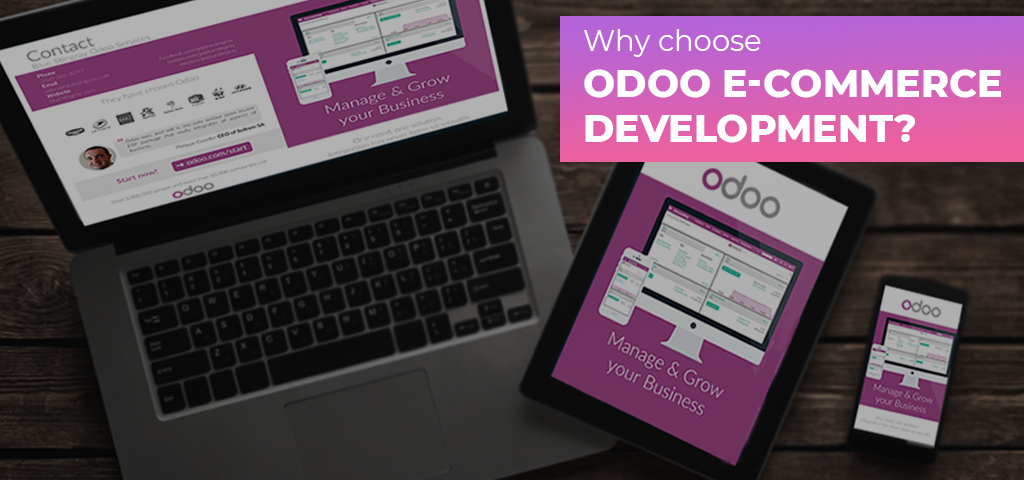
Why choose Odoo eCommerce development?

Odoo has swiftly become one of the most favoured ERP software with more than 36,000 live Odoo eCommerce websites globally. As it has a simple and intuitive UI, it is easy to learn and implement.
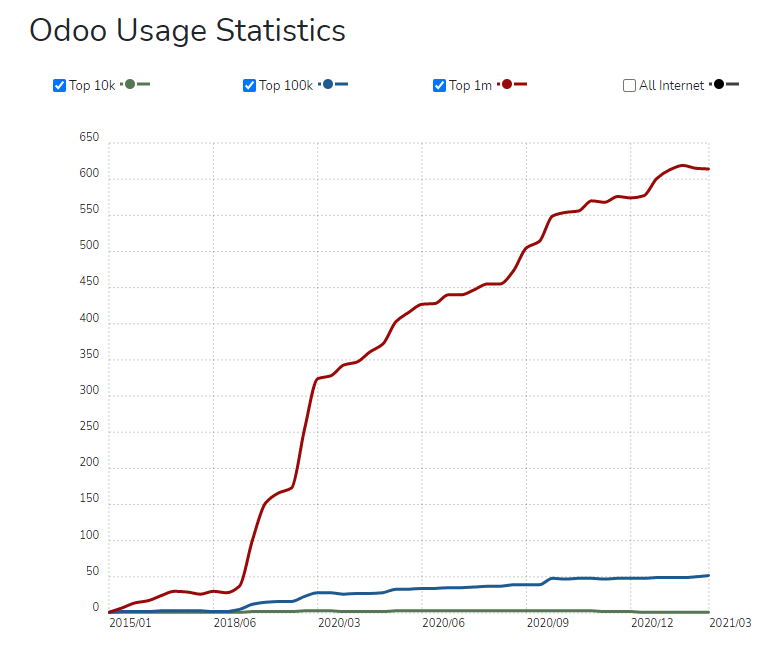
Why choose Odoo eCommerce development?

Odoo usage statistics

Here are some top reasons why Odoo eCommerce development is favored:

  • Flexibility: Odoo eCommerce development offers a wide range of modules and plug-ins that can be used to tackle any type of business problem. Furthermore, it can be viewed from mobiles and tablets, even though Odoo is completely web-based.
  • Scalability: Your Company’s future is in safe hands with Odoo. Its functionality is conveniently scalable according to the size and complexity of your business.
  • Large Community: Odoo eCommerce has a powerful community of developers who regularly detect and remove bugs and issues. Also, Odoo regularly sees new updates roll out from time to time.
  • Security: Security vulnerabilities are one of the top concerns in this digital age. With Odoo, your confidential data and customer database are always secure. Also, being an open-source ERP system, errors or gaps in the source code are rectified almost immediately.
  • Low Cost: The Odoo community version is free to use, but it lacks certain features. While the enterprise version, with all its benefits, costs only 25$ per month. Which is a tiny portion of all the prices offered by other ERP services.
  • Customizable: Your developers have complete freedom to customize your business operations according to your needs. The source code can also be tweaked as it is an open-source ERP system.
  • Easy Integration: Odoo eCommerce software has a friendly Application Programming Interface (API), making it conveniently compatible with other ERP systems.

As a trusted and leading eCommerce solutions company, we know the importance of choosing the right ERP service for your business to flourish. And we believe Odoo is the go-to platform for all your business needs.

“This system is revolutionary. The advantages Odoo has are comparable to none other. It covers all sides of the workflow for any company: manufacturing, accounting, taxes, HR and so much more. It’s certainly making its mark on the market worldwide. Since the last couple of years, we have seen the need for Odoo developers increases significantly.”

What are the top Odoo ECommerce features?

Odoo eCommerce is always evolving, bringing in new and enriched features. As of now, here are the top features that make it a one-stop framework for all-around business management.
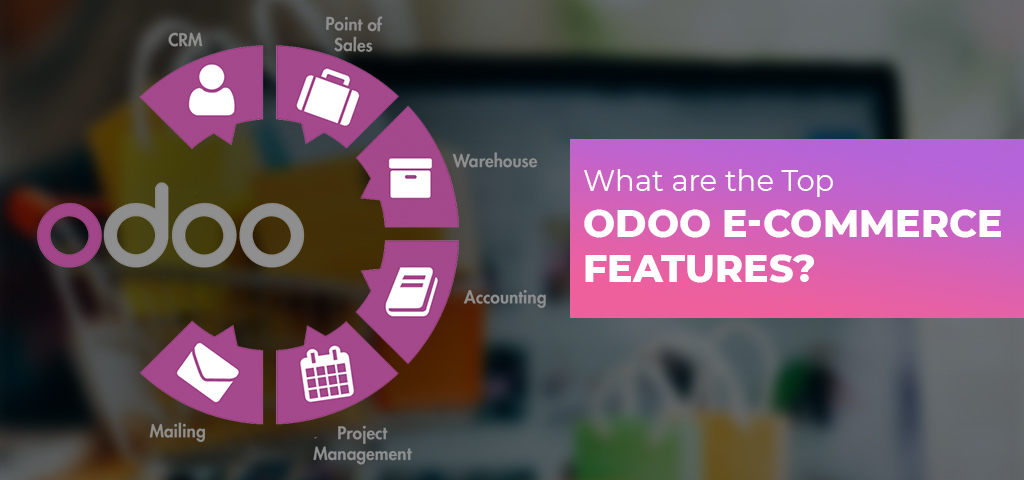
What are the top Odoo ECommerce features?

  • Odoo Website Builder: You can create and maintain your online store with Odoo eCommerce website builder. The Content Management System (CMS) makes it fairly easy to edit designs and texts, and at the same time, manage multiple websites comfortably.
  • User Interface: It has a simple and interactive UI which makes it easier for customers to find what they are looking for. This feature is designed specifically to maximize sales and provide an unforgettable experience which in turn increases repeating customers.
  • Business Intelligence (BI) Tools: A wide range of BI tools that cover every department and aspect of your business. From data analysis to communication, Odoo has a tool, module, or plug-in for everything.
  • Production Management: Odoo manages your Bill Of Materials (BOM) and streamlines the steps of production, with an efficient tracking system for your work orders.
  • Warehouse Management: Odoo eCommerce has the capacity to manage and track multiple warehouses and their inventory, regardless of the company size or complexity.
  • Sales Management: Sales directly affects the productivity of a company. Odoo eCommerce features a way to analyse customer behaviours and segregate orders in terms of importance or quantity, and thus creating a seamless structure for your entire retail process.
  • Accounting: Odoo eCommerce features a smart reconciliation tool to keep the balance sheets air-tight. It has accurate managing and tracking of payments, bills, and expenses, along with automated tax inclusions.
  • Customer Service: Odoo’s customer portal features an intuitive way for your customers to track the payment, delivery, and shipping status of their orders. The Customer Relationship Management (CRM) system can automatically manage tasks like communication, prioritization, notification, customer identification, etc.
  • Moreover, it can also connect you with your customers and answer their queries in real-time using Live Chat, and thus help boost customer relations and sales.
  • In-built Blogging: Blogs are a great way to stay in touch with your customers. Through blogging, you can increase the reach of your company on search engines and also get the message across to your customers effectively.
  • Search Engine Optimized (SEO): You can customise your meta tags, H1, and titles for SEO purposes with Odoo eCommerce development. This feature makes it easier for your company to be found by potential consumers on search engines.

Also read: Future of eCommerce: 7 Most Popular eCommerce Trends

Some useful features that were added in later versions:

  • IP Tracking: An IP-based lead generation feature mainly used for B2B industries. The IP addresses of website visitors are tracked and matched with specific businesses. This process yields more information and tells you more about the interests of your visitors.
  • Shipping Integrations: Numerous shipping carriers are integrated for impeccable delivery service. Carriers like UPS, USPS, DHL, FedEx, and many more.
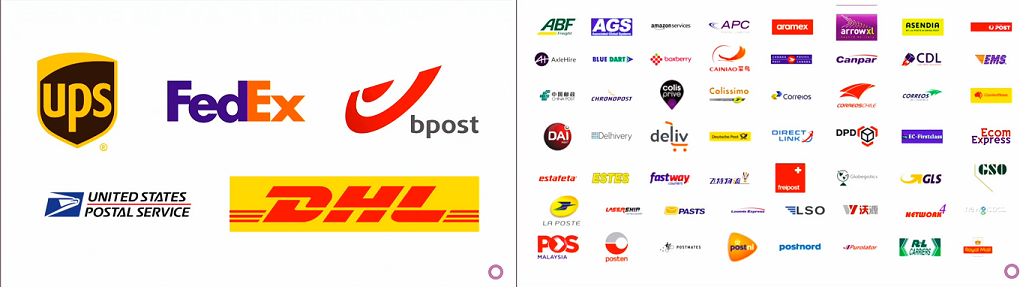
features

  • Discount Module: Odoo eCommerce makes it easier for you to promote sales and give discounts to your customers with this new feature.
  • Data Cleaning: Automatically removes duplicate or redundant data.
  • Snippets: You can add a wide range of snippets to different sections of your website for personalising the user experience according to your needs. For example, snippets for charts, timelines, pop-ups, masonry, product list, etc.

What is Odoo Studio?

Odoo Studio is a part of Odoo specially designed for creating powerful and intuitive applications for businesses. Some features of Odoo Studio:
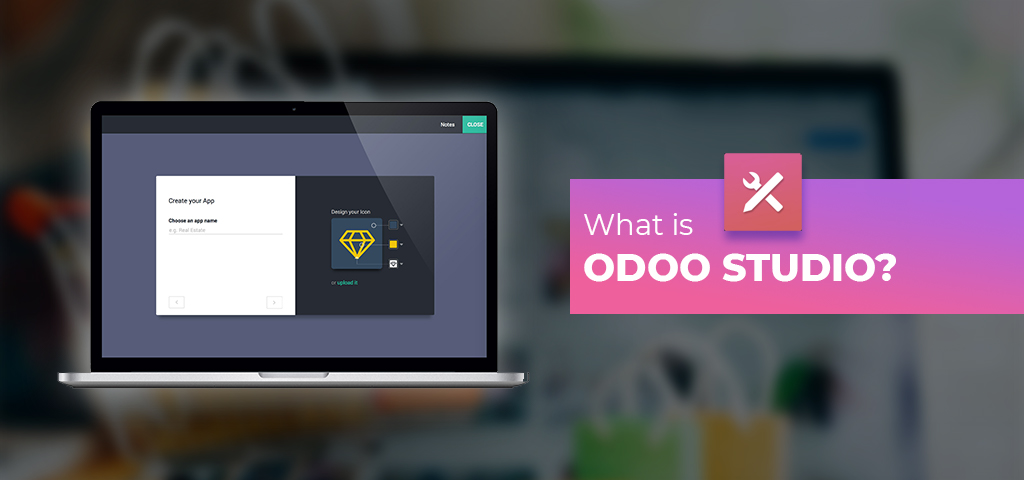
What is Odoo Studio?

  • You can use Odoo Studio to build desktop and mobile apps with ease.
  • You can build a customized application within minutes, with no coding required whatsoever.
  • Switch to developer mode to obtain and edit technical details.
  • It can be used for all types and sizes of businesses.
  • Some of the components of Odoo Studio: Forms, lists, grids, graphs, calendars, custom pivot tables, and charts.

Read more: WordPress VS Shopify: which one to pick for successful eCommerce development?

Let’s look at some large-scale business hurdles that Odoo eCommerce has solved for some of the MNCs

Odoo ECommerce Success Stories:

Toyota

Toyota corporation has a material handling division in France, which manufactures and sells forklifts and trucks. It experienced organizational changes and needed some restructuring for efficiently managing distribution and supplier units in France, Italy, and Sweden.
Toyota material handling units needed a way to easily track orders, invoices, purchases, production, and shipment. Replacing the entire system was too much of a risk for such a competitive company. And conventional ERP systems did not match their needs.

After a lot of planning, Toyota decided to solve their problems with the help of Odoo eCommerce development.

  • Odoo Sales was implemented to track and manage orders;
  • Odoo Inventory was put in place to make sure the availability of products after orders are placed;
  • Odoo Manufacturing was added for streamlining the production of forklifts and trucks;
  • Odoo Purchase was implemented to manage the import of products from countries like the USA, China, and Japan;
  • Odoo Accounting was used to invoice customers straight from Odoo.

It took only six months for Toyota to implement and integrate the Odoo eCommerce solutions. Not only did it help them overcome all of their business hurdles, it even saved them a lot of valuable time and management costs.

The employees could easily adopt the Odoo eCommerce because it was integrated with their existing legacy system. They eased into the implementation of Odoo eCommerce development in every component of their business slowly.

Confetti

Founded in 2006, Confetti is Finland’s biggest shop for baking and party supplies.
As the company grew, it needed an ERP solution for efficient data management and automation of purchasing and inventory.
Along with many other reasons, the Odoo eCommerce system was mainly chosen by Confetti for its Point Of Sale (POS) systems for the stores.

  • Odoo Data Management: Information regarding products, customers, prices, and suppliers were easily tracked and managed using Odoo eCommerce development;
  • Odoo Warehouse Management: They used Odoo eCommerce features to automate their shipping and stocking, along with multi-warehouse management. It was also used to trace food products with expiration dates;
  • Odoo Purchase Management: Seamless communication with the suppliers was achieved with Odoo eCommerce development. Tracking the import of sales orders became relatively easy;
  • Odoo Pricing Management: A coherent pricing system was formed with the help of Odoo eCommerce features and modules. Prices and price lists had to be entered just once. Tax and currency issues were also easy to manage after implementing Odoo.

Customer satisfaction soared due to the seamless user experience offered by Odoo eCommerce development. All of their issues were resolved and the processing time of purchase orders was reduced by more than 50%.

Wrapping up

The growth of your company depends on how well you can manage daily operations. A growing business brings forth many complexities, and Odoo has the capabilities to easily handle them all.

Odoo ECommerce features and tools can cover all of your day-to-day business needs efficiently. It provides you with a streamlined structure for your business and thus helps provide your customers with a seamless user experience.

This gives you the freedom to control and plan your company’s growth. With the number of modules, features, and plug-ins available at such a low price, it surely is the best business management tool.

If your growing company needs an extra pair of hands, and if you need an Odoo eCommerce implementation partner, contact us!

With 15+ years of on-hand experience, Communication Crafts can provide exceptionally skilled Odoo developers. From small-scale website development to large-scale eCommerce development, our Odoo developers are at your service.

Keep calm and Odoo!

Looking for a team of the best remote developers?

You’re in the right place!
Top 6 Revenue-Generating Mobile App Design Trends in 2023

With user experience becoming the most defining element of curating mobile app success. Creating an outstanding mobile app design helps provide your app users with a mesmerizing experience that they desire more of.

But the question remains, how do you predict tomorrow’s visual styles and innovations for the UI/UX design for your mobile app today?

Grasping on the latest technologies and the doors it can open for product development and mobile design can help figure out new interactive designs that can be implemented for mobile apps.

Determining how app designers and developers can use it is an important part of modern mobile application development.

Determining the best app designs can help shortlist some of the emerging trends in mobile apps in the present as well as the future.

But for now, let us focus on what the present holds for design guidelines and trends.

In 2023 , here are the mobile UI design trends that are going to help brands make a resounding impact on their users.

7-1

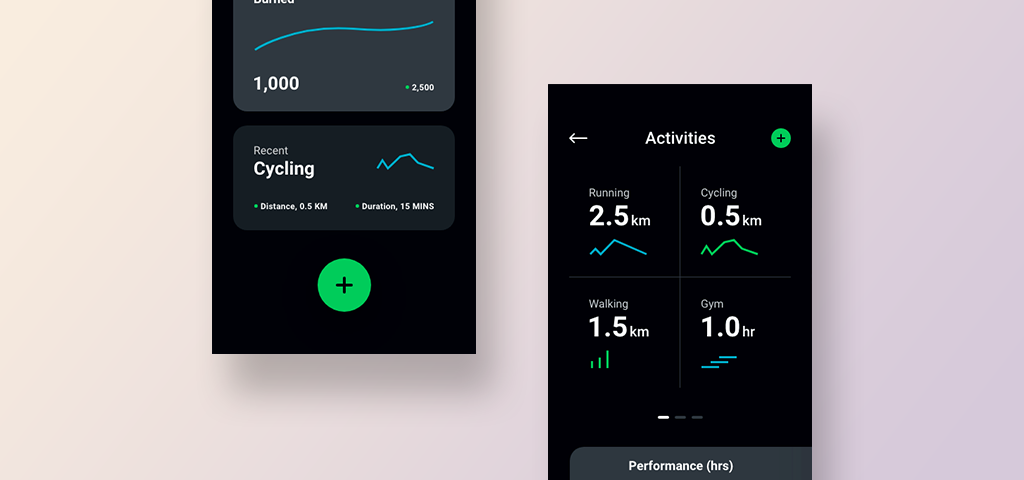
UI design trends in 2023:

  1. Creative Data Visualization
  2. Animated Illustrations
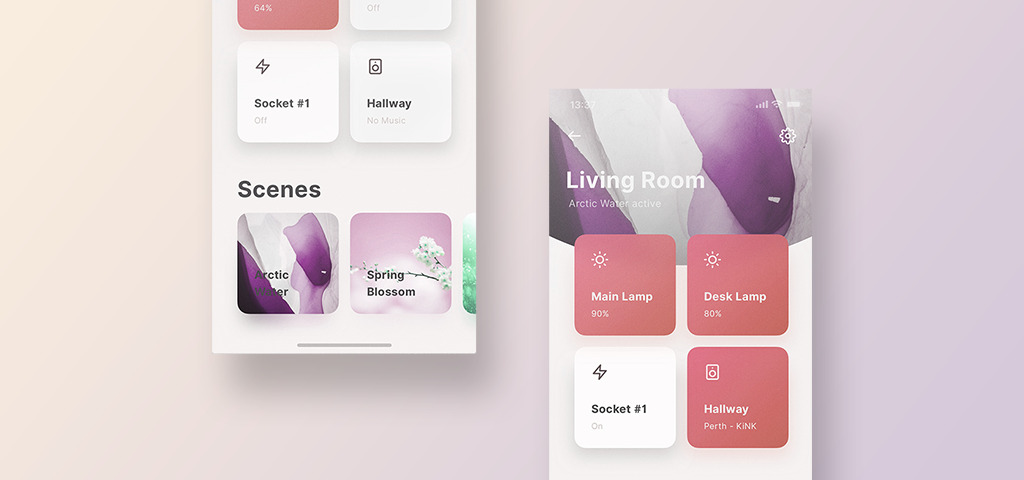
  3. Rounded, organic shapes
  4. Dark mode
  5. Augmented Reality (AR) & Virtual Reality (VR) in UI design
  6. Elegant interfaces and content-focused experiences

1. Creative Data Visualization

After a childhood of being bored in math class, when data visualization came to the picture, who thought maths would become fun?

Data visualization is the representation of information and data using charts, graphs, and maps.

If you’re designing a mobile app that involves analyzing data or showing some figures, integrating data visualization features will make consuming information more engaging and easy. And that is why this is going to be a top app designer trend in 2023 to look out for.

By using different graphs, adding some animations, and correlating data with the right color combinations can work wonders in providing the users with a pleasurable experience.

2. Animated Illustrations

Illustrations are another one of the hottest trends in digital. They have been a very popular design element. And their evolution in recent times for UI design has been spectacular.

Graphic designers are starting to use illustrations for mobile user interfaces to eliminate the negative and dull design elements and give the app a much better and cleaner look.

Since visuals engage better than other types of content and help curate a better relationship between a brand and users- get ready to see more creative digital illustrations and 3D graphics for mobile phone apps this year.

Another great thing about illustrations is that you can incorporate animations. Animations are one of the best ways to tell a story about your brand, product, or service. That’s why adding graphic animation can help enhance the likeability of your digital product amongst your competitors.

3. Rounded, organic shapes

7-2

This is something new for mobile apps. The round and organic shapes like rectangles are another fascinating mobile app design trend in 2023 to look out for.

From being used for buttons, layouts, and other UI elements, rounded shapes are known to convey a friendly and positive feeling.

Not to forget that such organic shapes can give a great directional flow to your design and help highlight products by making the background sharper.

No wonder organic shapes are working so well for user interactions.

4. Dark mode

7-3

One of the most popular app features is ‘dark mode’. With dark mode becoming one of the top mobile app trends recently, it is evident that modern users love using dark mode and there is no going back. It makes the user interface look beautiful, minimalistic, and aesthetically appealing.

And the best part, the dark mode has enabled users to surf through mobile apps and reduce eye strain in darkness or night, as it usually would not be in the case of normal bright light.

If that wasn’t enough, the dark mode helps in optimizing the usage of the battery of the mobile phone.

5. Augmented Reality (AR) & Virtual Reality (VR) in UI design

As mobile technology continues to evolve, app development & product design requires thinking outside the box to create something even more spectacular that people will love to use. And adhering to that design thinking principle can help create an astounding mobile app UI design.

And that’s why augmented reality and virtual reality are becoming increasingly popular among mobile app developers and designers for their new generation of mobile and enterprise applications.

AR & VR are UI/UX design trend this is going to be heavily adopted in the coming years. Since AR & VR technology is still evolving, mobile app developers are trying their best to incorporate it efficiently to create a great UI design.

AR apps can provide users with a virtual environment where they can mimic real-world actions. Thus enabling a more interactive and immersive app experience.

Making VR and AR app design one of the top mobile app design trends to look out for in 2023.

6. Elegant interfaces and content-focused experiences

7-4

While valuable and engaging content still remains the undisputed king of marketing experiences, how you deliver the story matters. There are thousands of mobile apps in the market, but not all always succeed in getting it right the first time.

The problem?

Bad user interface design!

Mobile app owners have quickly grasped hold of the importance of having a great UI/UX design for their app.

Graphic designers and UX/UI designers are now focusing on what’s of most importance- providing users with the great app experience they want more of.

This means designing a simple and beautiful mobile app design that makes it easier for users to find what they are looking for. And directing the user’s attention toward focused content in the app.

This helps reduce the complexities associated with the app and bring life to the mobile user interfaces with the help of content-first layouts.

While such a neutral interface is very beneficial, app designers face some challenges such as these neutral interfaces becoming common among apps.

Using the right colors, typography can help distinguish your brand and give it a unique position in the market.

Best App UI Designs in 2023

With more than 5.15 billion mobile users in the world, mobile apps are playing a vital role in the digital transformation of businesses and organizations and enabling them to achieve success.

Every year bring innovations in the mobile devices. For 2023, these are the best mobile app designs to adopt. App designers are starting to design and develop these features for their mobile app design.

Looking for the best mobile app designs
You’re in the right place!

Why do Startups fail? 10 Blunders That Can Fail Your Startup

Did you know 90% of startups fail? If it wasn’t already difficult to begin from scratch, making it just sustain itself is already difficult enough.

Many startups fail because they usually don’t have a sustainable business model or can’t compete with the competition. Some struggle to survive even after successfully captivating the market.

We wanted to understand why startups truly fail. There surely must be more to why business failure rates are increasing more than the chance of success for tech startups these days. So we did and of research by going through reports and articles written by founders, investors, and journalists on more than 200 startup failures.

Here’s what we found:

Every startup is different. Their ideas are different, and the markets they target are different, even their target audiences. Starting a business is no piece of cake, let alone gathering the venture capital to fund it.

One thing we found is that startup failure rates have increased because startup owners forget to build a product that provides value to customers. How startups go from planning to execution determines their success rate.

So what are other reasons why startups fail? Let’s find out.

Here are the top 10 reasons that can kill a startup.

1. Impulsive Scaling

Impulsive Scaling

One of the reasons why startups fail is scaling too early on. When you initially launch your business, you’ll have to invest heavily in essential software and development to keep up with the latest trends and also other essential things.

Spending large capital on the product before it has proven to be sustainable and successful can put a halt to the growth of your business. People want success quickly and that’s where the trouble arises.

Scaling too early on is the most popular reason why startups fail. It is essential to establish steady growth over a period of time, before thinking of scaling quickly.

2. Using Unproven Technology

While working with the latest technology is key to providing your customers with a great experience with your brand, it is important to work with trusted and proven technology. When you work with unnecessary technologies, you increase the risk of having a monetary loss.

Startup founders are excited to work with new technology to gain a competitive edge, while that’s a great idea, it isn’t feasible until it’s proven. Rather using proven technology solutions that are much simpler and reliable can help save valuable time and help achieve results that matter quickly.

Technology that is relevant to the current market, but not to your business can cause problems down the line in creating market fit products. Implementing technology that is relevant to the market, but is not relevant to the business can lead to engineering difficulties later on.

3. Team Burnout

A startup environment can be chaotic at times. Having to deal with so many aspects of a business; from branding, marketing, product development, and more, it can get quite stressful at times to follow the laid out business plan.

With a small team at the helm, taking care of so many things, at times can get overwhelming in achieving progress. It is not exactly a technical problem, but after all, we are humans.

Startup mentality relies heavily on teamwork, the better coordinated and motivated the team is, the better the output you’ll get. However at times, there will be uncertainty you would have to deal with, and instead of overwhelming your team with more workload, the better option would be to hire a team of remote talent who can help you solve your tasks on time.

4. Not Having a Clear Vision

Understanding your business goals and how you plan on achieving them is the foundation on which your company’s future relies on.

It’s important that as a startup founder, you communicate your goals clearly to your team and customers to ensure that everyone knows why you are doing what you are doing.

You need to be clear about your vision or you will dwindle in a spiral, struggling to make any sufficient progress.

5. Cyber-Security Problems

Cyber-Security Problems

In this digital age, cyber-attacks and other unauthorized attacks on the web have become a great threat to companies and end users. In 2021, cybersecurity software spending is set to reach $230 billion dollars in 2021 from $183.2 billion dollars in 2019.

The threat is real. Securing your business infrastructure to prevent any unauthorized access and secure your employees’ and users’ data is essential.

Startup owners often underestimate the risk of having a secure infrastructure earlier on. It can turn into a serious security threat and hamper normal business operations, affecting your startup’s growth drastically in the process.

6. Lack of Financial Management

Yes, the main reason why startups are found is when startup owners have a great idea to solve real-world problems and make money from them.

While that’s understandable, it is essential to manage your finances first. Keeping track of investments, spending, revenue generation, and how you are going to use it for your startup’s growth is key to ensure not run out of cash and maintaining a steady cash flow.

Figuring out new ways to manage and make money is a good way to boost your business growth.

7. Not Enough Clients

If you’re running a business the right way, then you are sure to increase your customer base with time and turn them into your main source of revenue.

But at times, a lot of influences can throw things out of order for your business. It can be anything from customers’ changing preferences too there being better products in the market. You need to be product-market fit ready to increase your chance of success.

It is necessary to notice your customers’ changing behavior and make changes to the business model accordingly to serve your customers right.

8. Strong Competition

Across all industries, startup failure rates seem to be almost the same.

Startup failures because of competition seem to arise in 2-3 years after the startup is established. Competition in the market is natural. Startup failure rates seem to be rising because startups decide to scale resources in an effort to compete, which at times isn’t viable since the startup doesn’t seem to be making adequate profits for it to survive.

9. Inefficient Business Model

A proper business model is important to help you figure out and successfully tackle all aspects of your business such as:

  • Your business idea- what problem are you solving and for whom?
  • How will you provide value to your customers?
  • What will be your USPs? (Unique Selling Points)
  • How will your product get to your customers in a timely manner?
  • How do you plan to compete in the market?
  • How are you going to carry out your digital marketing?

This is just a gist of what a good business model should cover. Startup failure rates increase because startup owners forget to consider many such important aspects, leading to business failures.

So make sure to take your time creating a business plan that will help you create success stories for your startup. Consider all possible aspects of concern there might be and play your cards right.

10. Bringing On Board the Wrong Team

Bringing On Board the Wrong Team

When hiring a team of developers, engineers, marketers, or any other skill-specific professionals, it is necessary to know if they can actually deliver results that matter within the given timeline.

Time is of the essence and startups have none to spare. The faster it can prove the product is viable, the better chances of success it has.

Startups need a team that is efficient, smart, and can handle any new challenges there might arise promptly.

Whether you hire a team of in-house talent or a remote team of talented professionals, what matters is that you get high-quality output.

Hiring remote teams is a great alternative to quickly finding the right set of minds to work on your project.

What to do when a Startup Fails?

While it may sound terrifying, this is a reality check- any business can fail.

There will be constant hurdles you will need to overcome to stay at the top of your game and create a successful startup.

IT infrastructure and digital marketing are two main pillars that help fuel the growth of a startup. Outsourcing your IT & digital marketing needs can be the best way to tackle your software development requirements, and also connect with your target audience easily.

Communication Crafts has top-tier talented software engineers, web & mobile app developers, video producers, and digital marketing specialists you require in one place. With our state-of-the-art startup services, we can help you rightly grow your business and take your business to new heights.

Assemble your team as you like and start on your startup’s success!

Powerful React UI Component Libraries/ Framework You Need to Work with

Did you know that some of the React UI libraries can drastically improve the efficiency of your applications? This article covers everything important about the Reactjs ecosystem, libraries and tools you can leverage to your advantage.

React has come into the picture as the knight in shining armor. Its ecosystem has evolved into an advanced community rather than being an extension of React UI library.

What is React?

React is an open-source, front-end, JavaScript library that helps to build elegant and powerful React UI components for single page web applications (SPAs) or mobile apps. The main advantage of using React is that it provides users with an amazing experience that makes them keep coming back to use the application. JavaScript developers love working with React programming language and so do we! Every time we worked with React, we discovered hundreds of React packages, a set of React UI components and React UI libraries that enabled us to build outstanding web apps for all our clients’ projects.

And we know it will be of help for your software development if you knew these powerful libraries presently in Reacts’ ecosystem.

List of best React UI Libraries:

Routing and Navigation in React.js

Routing and Navigation in React.js

User experience defines the success of any web app. This means seamless navigation from one page to another is crucial. And when it comes to Single Page Applications (SPA), it doesn’t have the best reload timing when navigating between different sections of the page.

This is where routers make life easy. Simply put, a router renders (follows dynamic routing approach) the browser address into associated pages, allowing the users to easily navigate using the web application.

This gives us first of the many powerful React UI libraries:

1. React Router

React Router is a collection of directional React UI components that are responsible to synchronize the components of the UI with the browser’s address, which makes it easy to navigate through a single-page application.

Apart from that, it offers server-side rendering and better screen-to-screen transitions.

React CLIs and Boilerplates

2. Create-React-App

A no-build configuration, the Create-React-App is a CLI tool to simplify the generation of your own boilerplate and successfully initiate the app-building process. But you will need to create one dependency for your React UI components and that’s about it.

You need an UI design that is interactive and engages the audience effectively to get your web app to be successful. React makes creating an elegant and responsive UI very easy. With several time saving and amazing UI component libraries it has to offer, you can take your web development up a notch.

React UI Component Libraries

3. Ant-design React

Ant-design React UI framework is a combined development framework of Babel, Dora, DVA, NPM and Webpack.
The main advantage of this best React component library is how it allows you to integrate your UI components to provide an enhanced user experience.

Hire expert React.js developers

4. Tailwind UI

Tailwind UI is a rich UI component library that makes customization free. It is a CSS framework built for ReactJs. Using the Tailwind UI library, you can easily reuse your code. But even if you ever wanted to not start from scratch with coding, this is your chance. Tailwind library offers in-built classes that allow you to not begin from scratch.

5. Semantic UI React

Semantic UI React, a declarative API, is one of the best React UI libraries for top MNCs. Netflix uses this jQuery-free React UI component library to simplify their app’s complex coding.

6. React Bootstrap

React Bootstrap is one of the easiest React UI libraries to work with. Being so flexible, it has never been easier to integrate UI components hassle free before. It has inbuilt components that enable it to easily handle various interfaces.

React Bootstrap is also compatible with the old Bootstrap themes, allowing React developers to code with this JavaScript framework based React UI framework quickly and efficiently.

7. Fabric React

Fabric React

Fabric React is also known as Office UI Fabric. This is one of those React UI libraries that is famous for its native implementation of UI components with React-based apps. Backed by frontend modules like ES6+, Webpack & CSS, Fabric library is a vast pool of various CSS classes, which provide a range of different colors, animations and much more.

8. Styled components

Styled React UI components are innovative new ways React enables component-level apps to create their style with the fusion of JavaScript & CSS. It focuses on enhancing the visual styling of components, which eventually helps create UIs with React that are highly customizable and beautiful.

9. React DnD

Built with HTML5 & drop API, Drag, and Drop (DnD) interface, as the name suggests allows users to simply drag and drop a visual object to a the desired location on the device screen. It enables developers to simply create Trello-like complicated drag-and-drop interfaces without affecting the data transfer and still carry out seamless execution of the current running state in the app.

Payments

With the global digital payment market set to reach more than 10 trillion U.S. dollars by 2025, digital payments have rightly replaced traditional banking. With Fintech apps & mobile wallets taking over, creating web apps and mobile apps to easily facilitate in-app different payment methods has become essential.

That’s where Payment SDKs come into the picture. Here are some of the best React UI libraries available in the React Ecosystem that provide a reliable and secure way to carry out end-to-end transactions.

Here are some of the best Payment SDKs React UI framework has to offer.

10. Paypal

payment gateway integration 

PayPal payment gateway integration is only compatible with native JavaScript code. It uses REST (Representational State Transfer) APIs to carry out transactions, which allows it to carry out payments quickly and securely.
The code for this allows you to create sandbox accounts:

  • Paypal Merchant Account (accept payments from end-users)
  • PayPal Personal Account (make payments to merchant accounts)

11. Stripe Elements

Stripe APIs is one of the most customizable React UI component libraries available in the React framework to handle the payment outflow easily. Being quick with authentication and securing the data, Stripe API makes it quick to authenticate the user. Stripe API only uses a single interface operation to enable Apple Pay, Google Pay and any other payment request API.

It has responsive and robust functionalities that enables Stripe API to accept & confirm payments quickly with dynamic card elements such as CVC, expiry date and more. It also supports multiple languages for customer’s preferences.

Augment Reality/ Virtual Reality (AR/ VR)

Augmented Reality (AR) is one of the technologies in software development, enabling users to experience a real-world environment virtually. Some examples of such mobile applications are Snapchat, the infamous Pokémon Go, and some new Instagram features.
Here are some of the AR/VR libraries React has to offer.

12. React 360

React 360 enables the creation of amazing virtual reality experiences using the React UI frameworks in desktops, mobile apps and other VR devices. It makes it easy to create complex 3D and VR user interfaces easily. Be it from 3D board games, adventure games or some office 360 tours, React 360 provides users with great multimedia content.

13. Viro React

Viro React, a third-party cross-platform is the React UI library that assists software developers to create AR & VR experiences for React apps. It is open-source and supports all mobile VR & AR platforms. It is easy to work with. It requires React-Native-CLI & React-Viro-CLI to code in cross-platforms.

The limitation it has is that Viro React is not compatible with the older OS versions of iOS and Android.

End Note

We’ve covered the most powerful of React UI libraries that are highly adopted in software development and by React developers and JavaScript developers worldwide. While we couldn’t cover all of the libraries, these are some of the best libraries to work with. You can use these React UI libraries to leverage JavaScript tasks easily. While the odds can still be stacked against you, when you need to find the right libraries to work on your dedicated web application. We can help you in such a scenario. Hire expert React.js developers from a pool of top-tier developers at Communication Crafts.

Need to work with React libarires that can help you with your task?

Let us make it easy for you!

Top 10 Web Frameworks for Web App Development in 2023

Web development frameworks are software frameworks that are custom designed to support the development of web applications. But also to develop web services such as web APIs and other web resources. They basically have a set of resources and tools that software developers use to build, test and manage custom websites and web applications.

Every year, either there are new web frameworks that completely change the way web development is carried out. Or there are significant updates to the existing frameworks that help enhance the quality and experience of web products.

In 2020, the global enterprise software was at 465 billion U.S. dollars. And now, it is set to reach 506 billion U.S. dollars in 2023.

In this digital age, modern-day businesses heavily depend on having a great online presence, making creating a fast, secure and user-centric website the first step towards success.

But the question is, which web development framework should you go for?

There are more than 25 web development frameworks. As a leading web development company, Communication Crafts has been creating scalable, secure and revenue-generating customer-centric websites and web apps for our clients.

Over the years, we’ve worked with 20 different frameworks in web development & mobile app development. We always work with the latest technology in the market, to help create state of the art digital products that would provide users with unforgettable user experiences that ultimately result in higher conversions and revenue.

We’re experts with the most popular frameworks in 2020. And leading with that expertise in the field of technology, we know the most reliable and profitable web frameworks in 2023 to work with.

Here is a list of the top 10 web frameworks in 2023:

  1. Angular
  2. React.js
  3. Vue.js
  4. Ember
  5. ASP.NET
  6. Backbone.js
  7. Django
  8. Ruby on Rails
  9. Laravel
  10. Spring

1. Angular

angular

Managed by Google, Angular is the best front-end web framework. It has a large community of developers. It is a client-side JavaScript framework.

Established back in 2009 as AngularJS, it uses JavaScript programming language. But in 2016, almost a decade later, Google reintroduced Angular JS as Angular. And this time, it was much better, secure and faster.

The new version of Angular uses Typescript as its main programming language.

Angular. Since then, Angular has used Typescript (similar to JavaScript) as its main programming language.

Being a front-end web framework, it is based on the MVC framework (Model-View-Controller), which allows angular developers to make client-side dynamic webpages.

While due to the complexities of its structure, controllers, directives and huge libraries, coding in Angular can get quite time-consuming if you’re never worked with this web framework before.

Advantages of using Angular:

  • Accelerates application development.
  • Supports the MVC framework.
  • Two-way data binding makes it an impeccable choice for real-time applications, which means if data changes, the user interface of the app will reflect the changes in real-time.
  • For single-page apps, Angular makes the perfect fit.
  • It already has a large community and is growing.

Disadvantages of using Angular:

  • It might not be easy to start coding with Angular for beginners.
  • Processing is not fast.
  • Documentation is not systematic.

Some of the MNCs that use Angular are:

  • Google
  • BMW
  • Microsoft
  • PayPal

2. React.js

react

React is a JavaScript library developed by Facebook that is used to build a user interface (UI) for front-end applications.

So why is it in the web framework list?

Because React.js has the same purpose as a web framework. If anyone comes as close to Angular, it’s React. With Angular vs React debate always coming up between developers, it’s safe to say both are at par.

But if you want to know the details, here’s a read on Angular vs React- which makes the ideal choice?

Now using React.js we can also create single-page applications. The standout part being, you can even develop a great mobile app using this front-end framework library. This is a highlight since most front-end frameworks and libraries don’t have the capacity to enable developers to create mobile apps.

As React is a library, it does not support many features like other Front-end frameworks, which is why to build a proper single page application, React integrates with other libraries for dealing with state management, routing, and interaction with API.

Advantages of using React.js:

  • Its virtual DOM supports fast manipulation in the document.
  • Easy integration with other libraries.
  • Supports mobile app web development.

Disadvantages of using React.js:

  • Does not have well-organized documentation.
  • It has a much more complex structure than JavaScript.

Some of the MNCs that use React are:

  • Uber
  • AirBnB
  • Facebook

3. Vue.js

vue

Another great open-source JavaScript-based web framework is Vue.js. It was launched in 2014 by a developer named Evan You. Despite not being created a tech giant, it gained massive popularity.

Just like React and Angular, Vue.js is also used to create user interfaces for web apps and other single-page apps. Based on the Model-View-View-Model (MVVM) architecture, Vue.js provides faster development and can be integrated with other applications. While it is easy to learn, experienced developers do not go with Vue.js since it is not supported by technology giant MNCs.

Advantages of using Vue.js

  • Faster development lifecycle.
  • The smaller size of apps.
  • Easier to maintain.
  • Simple to learn.
  • Easy integration with other applications.

Disadvantages of using Vue.js

  • Does not have proper tools.
  • Not supported by tech giants such as Amazon and Facebook.

Some of the MNCs that use Vue.js are:

  • Google
  • Apple
  • BMW

4. Ember

ember

Released back in 2011, Ember has been one of the most popular cross-platform frameworks since then. It is written in JavaScript. It is used by professional developers to build front-end apps. Ember also uses the MVMM model like Vue.js.

Due to its elegant interface, and the ability to create performance-driven applications for the client-side, the Ember framework can also be used to build mobile apps and desktop apps. And its elegant syntax, fast & secure delivery of beautiful interfaces is the reason popular websites like Apple Music, Square Inc and Twitch use Ember as their choice for web development.

Advantages of using Ember:

  • A high-performance framework leads to performance-driven applications.
  • Scalable and elegant development environment.
  • Well-maintained, extensive documentation.
  • Debugging is easy as it supports code debugger.

Disadvantages of using Ember:

  • It is difficult to grasp hold of for beginners.
  • Not the best framework for small projects.

Some of the MNCs that use Ember are:

  • Netflix
  • LinkedIn
  • Apple
  • Twitch
  • Yahoo
Take your web development to the next level!

5. ASP.NET

asp.net

Developed by Microsoft, the ASP.NET web application framework can be used to build scalable, vibrant web applications for mobile phones and web apps. ASP.NET is known for its speedy development and delivery of performance-driven applications.

Advantages of using ASP.NET:

  • World-class toolbox
  • Ability to divide application across several languages
  • Secure framework
  • Cross-platform migration

Disadvantages of using ASP.NET:

  • Documentation is not good
  • Porting ASP apps from one port to another is costly

Some of the MNCs that use ASP.NET are:

  • Tacobell
  • MasterCard
  • SpaceX

6. Backbone.js

backbone

A lightweight framework uses a JavaScript library efficiently, yet the Backbone is not exactly a web framework. But just like any other front-end web development framework, backbone.js can be used to build great single-page web applications.

It was released in 2010, developed by Jeremy Ashkenas. Based on the Model-View-Presenter (MVP) architecture. Though it is a library, it cannot be used to build a fully-fledged web app.

Advantages of using Backbone.js:

  • Ideal framework for small-sized apps
  • User-friendly
  • Really good organized documentation.
  • Easy to learn and implement.

Disadvantages of using Backbone.js:

  • High-quality app cannot be created alone using Backbone.js.
  • The community is reducing in size.

Some of the MNCs that use Backbone.js are:

  • Uber
  • Pinterest
  • Walmart
  • Reddit

7. Django

django

Django is a Python framework- one of the best. It is a server side framework used for building web applications that are scalable and secure. It is one of the best backend frameworks in the world. Developers love using Django.

Matter of fact, there are thousands of Django projects available on GitHub & Stack Overflow that signifies its growing popularity in the developers’ community.

Django uses the Model-View-Template (MVT) architecture. It is a feature-rich backend framework that enables experienced web developers to build robust and high-quality apps.

Advantages of using Django:

  • Enables faster development.
  • Comes with an inbuilt authentication tool.
  • Good security measures.
  • Can build highly complex apps.
  • Large community of Django developers.
  • Documentation is really good.

Disadvantages of using Django:

  • Slower processing.
  • Learning curve is steep.

Some of the MNCs that use Django are:

  • Uber
  • Udemy
  • Instagram

8. Ruby on Rails

rails

Ruby on Rails (RoR) is one of the oldest, yet still a highly-preferred backend web development framework. Based on the Ruby programming language and the PHP web development framework, RoR is used for creating web applications that require complex functionalities integrated. One of the features, when Ruby on Rails stands out, is that it can be used to build a cloud-based application.

Advantages of using Ruby on Rails:

  • Various libraries and tools.
  • Faster and secure development.
  • Automated processes are enabled.
  • Huge support from the community.

Disadvantages of using Ruby on Rails:

  • Slower processing speed.
  • Documentation is not good.

Some of the MNCs that use Shopify are:

  • Airbnb
  • Hulu
  • Netflix

9. Laravel

laravel

Laravel is another great PHP web framework. Being the most preferred application development framework to build powerful backend web apps, the Laravel web framework is taking PHP development to new heights.

Laravel is an open-source framework that is based on the Model-View-Controller model making it easy to learn.

Advantages of using Laravel:

  • Latest PHP frameworks features are available in Laravel.
  • Proper well-organized documentation.
  • Integration with mail services.
  • Backends can be cached for faster access.

Disadvantages of using Laravel:

  • No support for payment gateways.
  • Not an ideal framework to develop mobile apps.

Some of the MNCs that use Laravel are:

  • BBC
  • Pfizer
looking for top-tier web developers to work on your digital project?

10. Spring

spring

Java has been powering the web for many years. Developers love Java, that’s no secret. And that’s why the Java-based Spring framework is gaining popularity. Spring is also based on the MVC architecture.

It is fast, performance-driven and delivers premium-quality applications. Everything that the web developers, mobile developers and java developers in particular desire.

Spring framework is the perfect backend development platform. Since it uses Java, and Java is way better than Python in terms of performance, Spring makes an ideal framework to build and scale applications easily.

Advantages of using Spring:

  • Build using Java.
  • Flexible environment.
  • High performance.
  • It is easier to maintain.
  • Can be integrated with several tools.

Disadvantages of using Spring:

  • High learning curve.
  • It can be unstable at times.

Some of the MNCs that use Spring are:

  • Accenture
  • Zalando

Summing Up

These are the top 10 web frameworks for web app development in 2023. While each of the above frameworks has its pros and cons, choose the framework that can best satisfy your web development requirements and business needs seamlessly.

5 Remote Workers Myths Busted

You meet your friend Bill. Bill has his technology start-up for which he is developing a bunch of different digital products. He’s excited about it.

But that’s not what he’s so excited about. Instead, Bill can’t stop talking about the new software engineer he has hired, Jeff.

Bill says Jeff is the greatest DevOps expert he’s had on his development team.

As Bill continues to rave about him, you’re astounded. Imagining to have such a guy part of your team.

But then Bill says something you didn’t expect:

“Jeff works remotely from the UK”.

A remote worker? How is this possible? Everyone knows that hiring remote workers is like a nail in the coffin. It’s impossible to be with them on the same page and get things done in a timely manner. More so, if they’re overseas. Hiring remote workers? Without having face to face meeting first?

How can he possibly be that great of a team member?

Popping the bubble:

To be honest, the myths you had in your mind about hiring remote teams until now aren’t completely baseless, specifically when it comes to offshore hiring of workers in different time zones.

These common myths about remote work have been here for many years. But yes, there are surely pitfalls to watch out for when hiring remote developers.

But if all these negative stereotypes of hiring remote workers: they are inefficient, their quality of work isn’t satisfactory, they’re aren’t available at times are valid, how come there has been a paradigm shift to the hiring of remote employees by organizations all around the world?

Did you know there has been an 80% hike in employees working from home from 2005 to 2012?

In fact, according to Harvard business reviews, they found that team members are more engaged if they are working remotely than in traditional offices.

Take Dell, for example, the IT multinational corporation with revenues exceeding 62 billion U.S. dollars back in 2012. But Dell switched up their business model.

To encourage employees to be more productivity, Dell busted the common myth of remote working. They announced that they were going to have more than half of their employees work remotely by 2020.

Well, if MNCs are trusting their remote employees to deliver the best, what’s stopping you from hiring the same remote developers?

Time to bust some myths about hiring remote teams and help you know the truth. Shall we begin?

Let’s get started!

Myth 1: Remote developers won’t coordinate well with the team

Remote developers won’t coordinate well

If they’re exceptional at what they do, they’ll give it their all to be great team players.

Remote employees are no different from regular in-house employees, except that they work remotely from home. But apart from that, there isn’t a difference in the skill-set you are going to hire.

While it might take a while to get them in the loop, you’ll surely easily be able to make it work.

Myth 2: They don’t give it their all

There is a common misconception that remote employees don’t work that much.

On the contrary, studies show that traditional office workers might have lesser productivity.

Working from home, remote workers have a strong desire to give it their all. As they can start work when they wake up or even earlier than normal working hours to get done with their day sooner.

Myth 3: Offshore developers aren’t on the same level as domestic developers

Offshore developers aren’t on the same level as domestic developers

Well, this isn’t remotely (no pun intended) true. Whichever country you’re from, have you worked with someone or known someone who was fired for their bad performance?

You might have or not. But people do get fired from their company.

There are bad and good developers, even when they are working from office.

Moral of the story?

The quality of work is not determined by the geographical location of the employees.

Rather top developers are defined by their willingness to work, learn new things, and be up to date with the latest technologies in the market. The best developers get the desired solutions no matter what.

Myth 4: Remote workers are introverts

Whether an introvert or an extrovert, when it comes to working remotely from home, they have to be always available for any team meeting over phone calls or video meetings.

But no, this is a common myth surrounding a remote job. An extrovert makes an optimal candidate for remote developer jobs and vital to the success of remote companies.

This is because extroverts will be able to easily socialize and get quick work done in coffee shops or other places with an active internet connection, if required to out of the blue sometimes.

Myth5: Remote workers ask for more pay

There is no shortage of remote talent. When it comes to the hiring process, most remote workers pitch their pay rates to their clients for full-time hiring and on hourly basis.

Based on their acquired skill set, years of experience working on development projects, the clients they have worked with, and having analyzed the current market rates, they share their pay rates.

Although you should ask for them to show you their portfolio and other supporting references, remote workers know that you know the market rates. If they ask for a tad bit more, see their quality of work.

You might be getting top-tier developers for some more money than you usually would pay. But in the end, you’ll be getting impeccable digital solutions. Helping you achieve your business goals easily and help you boost your business sales.

So don’t forget to ask important interview questions when you take the hiring call over phone calls or video chat.

On an Endnote

Exceptional developers live where exceptional developers live. It is what it is. It’s that simple. No country in the world alone has the best remote developers.

The only challenge is to find the top-tier talent of software developers, cloud developers, mobile app developers or any other tech expert you require.

The best way to go on hiring top remote talent would be to go to any established digital company or some other online platform where they only have a top-tier pool of global remote talent.

It is the age of working remotely. Since the ongoing COVID-19 pandemic, working from home has become more valuable for employees and organizations.

By allowing existing employees to work from home or hiring remote workers, any business can add more value to their business in many different ways.

And so can you easily. The myths about remote workers have been busted at last. If you’re looking to hire remote workers or remote teams in an entirely different country, now might be the best time to leverage the advantage of remote teams to achieve unparalleled success for your business.

Looking for a team of the best remote developers?

You’re in the right place!
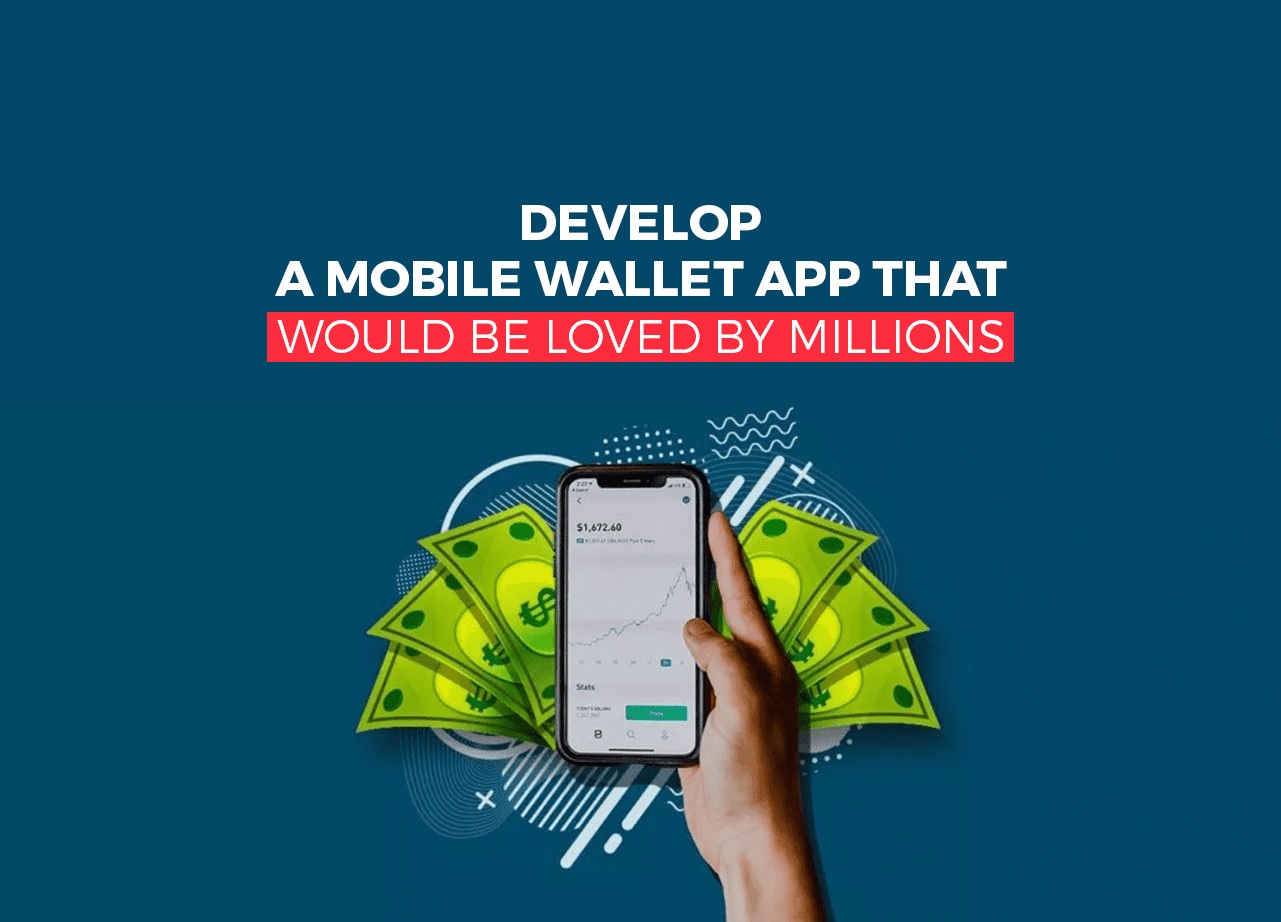
Develop a mobile wallet app that would be loved by millions

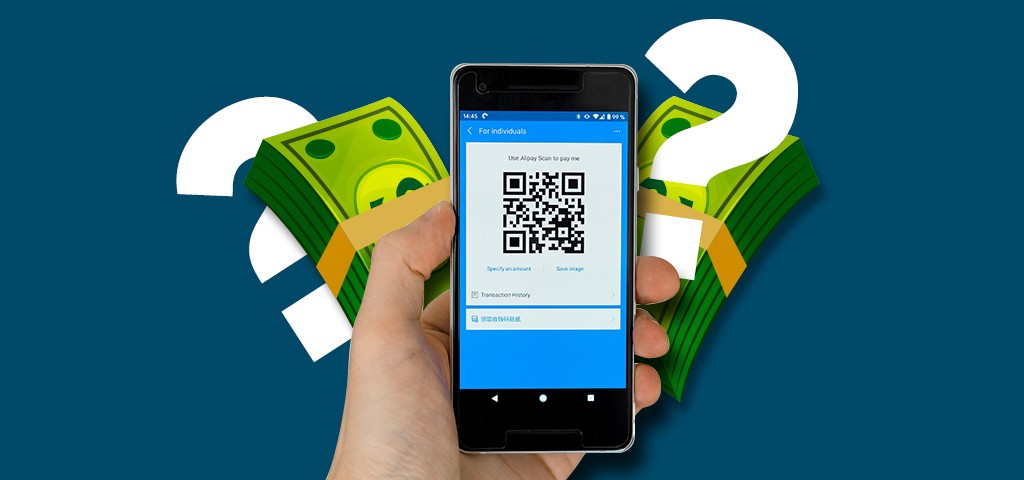
Wallet apps have changed the way financial transactions are carried out. The ease and convenience it provides to the end-users is unparalleled compared to paying with credit and debit cards or cash.

From grocery shopping, entertainment, e-commerce, restaurant payments, or any other bill payments, digital wallets have become the preferred medium of carrying out financial transactions.

Although direct cash & credit card payments are never going to be out of sight, with the introduction of contactless digital wallet transactional apps like Apple wallet, Android pay, Samsung Pay, and Google Pay- people have found their financial transaction journey not only gets better but much faster and simpler. Being the reason why mobile wallets users continue to increase at an unprecedented pace. And that’s the main reason fueling the popularity of FinTech apps in the market. mobile apps are leading the successful digital transformation of the online payment market.


Let us go in-depth and see how you can create a great digital wallet.

What is a mobile wallet?

What is a mobile wallet?

A mobile wallet (or eWallet) is a financial app that stores users’ payment information (credit and debit cards information), user’s contact list to cashless money that enables businesses and individuals to send money and receive money via mobile devices quickly.

For people, mobile wallets have paved an easy way to pay bills or transfer money within a matter of seconds.

And with wallets apps like Apple Pay, Samsung Pay, Google Pay- people have found secure digital wallets.

But still people keep asking us:

  • Is Apple wallet safe?
  • Is Samsung pay safe?

Yes, they are. All apps on your iPhone or iPad that you have downloaded, follow certain security protocols only after which they are authenticated for download on the App store. To be crystal clear, Apple secures your wallet data by encrypting it when it’s kept on Apple’s iCloud servers.

Similarly, Samsung uses tokenization to secure your personal and financial information.

Ensuring impregnable security measures in place for mobile wallets is as important as providing the end-users with a great overall experience.

If you’re looking to create a great digital wallet app, here are important things to keep in mind for your eWallet development ( or app development) that’ll help you create a great app people love to use.

Key Features to Include in Mobile Wallet Apps

User-friendly Dashboard

We live in a world where user experience can break or make a business. And that’s why you need to be on the top of your game when it comes to creating a great UI/UX design for your wallet app.

Creating an intuitive, user-friendly interface that users can easily navigate through, perform their required tasks quickly and keep track of all financial records in a seamless fashion has become integral to digital success.

Mobile wallet app solutions need to be designed specifically to provide users with a great app journey.

Wearable Device Integration

There has been great technological advancement in wearable technology. Wearable devices such as Apple watch, Samsung watch are not just limited to fitness tracking and other limited features anymore. Contactless payments through wearable devices are a thing now.

Contactless payments are possible due to the NFC (near-field communication) technology. Just like contactless debit and credit cards, wearable devices have an NFC chip embedded in them that enables the transaction to take place when the user taps their wearable device on the digital reader.

Spending Analysis

How many transactions did the user make in a certain period? How are they spending their money?

Allowing users to analyse their financial data by integrating analytic functions to the mobile wallet app will help users spend better and make better financial decisions.

Privacy & Security

An e-wallet user naturally will expect peace of mind regarding the mobile app’s security. Mobile wallet app developers must integrate the latest mobile security measures in place: form OTP (one-time-password) authentication, touch id, tokenization measures, advance data encryption measures to ensure secure, fast and efficient payment transfer.

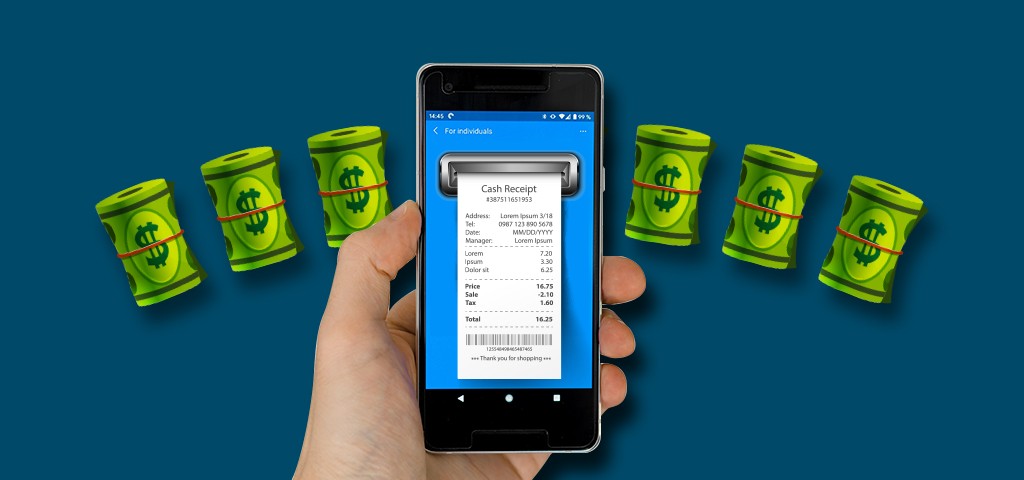
Do not forget to include a digital receipt

Do not forget to include a digital receipt

After every transaction is completed, users should be notified of whether the transaction was successful or not.

Hence the need to generate a digital receipt arises. Whether the end-user receives it through email or in the app itself, you would need to create digital solutions to adhere to their needs adequately.

Apple wallet app doesn’t by default provide a digital recipe since Apple Pay has strong privacy measures built-in- doesn’t collect transaction information. But if you would like one, you can request one during making a purchase.

Coupons, Discounts & Rewards

This is one of the best ways to engage your customer base and keep them using your mobile wallet app.

By providing rewards, loyalty cards, gift cards, event tickets, discounts coupons for other third-party products, or cashback on specific payments and utilities, your app can gain an extra edge over other competing wallet apps.

Take Google Pay for instance, after certain transactions the user makes, it rewards them with a ‘Scratch Card’ in which they can get cash rewards.

Including rewards and other promotions is going to be one of the top digital wallet trends in 2021.

Function prioritizing

There are different features and functions for different mobile wallet applications.

You need to do thorough market research and analyze which technologies and digital solutions cater best to your business needs carefully. So that you can integrate the right functions and features, as they’ll be eventually making your digital payment app successful.

Do thorough market research, and learn customer expectations, demands, and the market trend prevailing before you build a mobile wallet app.

Final Thoughts

The features we mentioned in this article, stress the importance of building a customer-centric mobile wallet app that makes carrying transactions quick and simple.

Thus, if you’re looking to develop a great e-wallet app, hire the best mobile app developers who have proven experience creating state-of-the-art digital transactional apps. So that you can provide your users with a great experience. Ultimately, that’s what’s going to make them keep coming back to use your mobile wallet over your competitors.

Looking for a team of the best remote developers?
You’re in the right place!
 

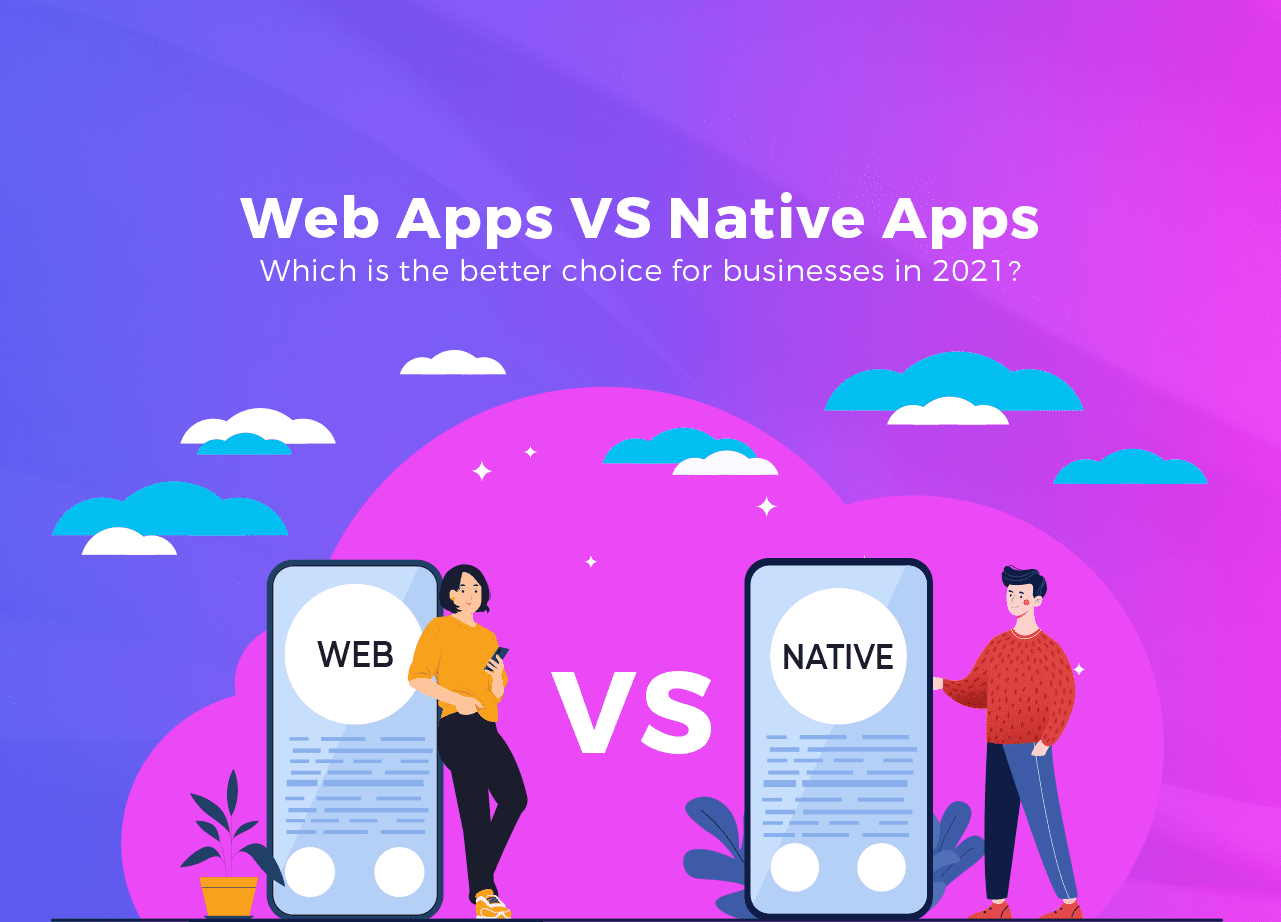
Web Apps VS Native Apps: Which is the better choice for businesses?

Mobile devices and desktops continue to compete in this modern world with their innovative technological solutions to get their target users’ attention.

Mobile apps have opened a new gateway for start-ups, businesses and companies to effectively gain their audiences’ attention. It is estimated that by 2023, the global mobile app revenues will grow to more than 935 billion dollars.

And this doesn’t seem surprising. Considering the time mobile users spend on their phones compared to a desktop. The thing is that with new ground-breaking mobile solutions that come every year, mobile phones are becoming even more convenient.

Not only mobile developers are benefiting from this growing mobile app market but also native app developers.

With Progressive web apps now into the picture, many companies and start-ups have found the perfect opportunity to revive their businesses by leveraging the PWA technology to their advantage.

Mobile Apps and PWA apps have been able to provide a fast and responsive app experience to their users, something that desktop browsing didn’t always enable.

That’s why PWAs vs Native apps (iOS or Android) are becoming a significant debate among developers. But the question still asked is: will PWA replace native apps in the future? Which is the better choice for startups, companies and organizations? What is the difference between progressive web app and native app?

Before we go into detail, let us see how exactly they are different from each other.

What Is the Difference Between Progressive Web App and Native App?

Progressive Web Apps (PWAs)

Progressive Web Apps, also known as PWAs, leverage the latest browsing & web development technologies to provide their end-users with a better user experience.

Built using HTML, CSS & JavaScript framework, PWAs can run on any given platform that is standard-compliant, which includes desktops and mobile phones.

What makes them unique is that the faster development associated with it compared to that of native development.

But it harnesses all the features of a native apps like- caching, push notifications, API integration, and responsive design; PWAs have bridged the gap between web browsers and mobile phones.

Think of PWAs like websites that act like native or mobile apps.

Native Mobile Apps

While Native apps are mobile software solutions developed for devices for both iOS and Android. They can be downloaded via the App Store or Google Play Store respectively.

Unlike PWAs which show only the essential functionality, native or mobile apps have the ability to provide a large range of advance functionalities. By harnessing the hardware and software capabilities of a smartphone, native apps are able to deliver impeccable performance and provide users with an intuitive journey.

Both, PWA VS Native Apps have their pros and cons. And ultimately it comes down to making the right choice that can help maximize the growth.

Whether you are a startup, a growing small or middle-sized company or an organization, which depends heavily on digital success, here’s everything you need to know between: Progressive Web Apps VS Native Apps.

We’ve laid down all the main advantages and disadvantages of both of PWA VS Native Apps.

Go over it, it will help you make the right business decisions.

  1. Pros of Progressive Web Apps (PWAs)
  2. Cons of Progressive Web Apps PWAs
  3. Pros of Native Mobile Apps
  4. Cons of Native Mobile Apps

Web App VS Native App PROS and CONS

PWA PROs and CONs

1. Pros of Progressive Web Apps (PWAs)

Better Performance

A research study by Google shows that at least 53% of the website users leave a website if it doesn’t load within 3 seconds.

With PWAs, website owners don’t have to worry about that. PWAs are faster to load compared to sites that use JavaScript (JS) rendering which takes comparatively more time to load.

You can use it in Offline Mode

PWAs save cache in the web browser. Due to this, users don’t have to worry about accessing the site in case they’ve exhausted their mobile data or are in a region where there is no network. This feature enables users to access the last information they accessed online. Making it one of the main reasons for increasing user engagement.

No Installation Require

No Installation Require

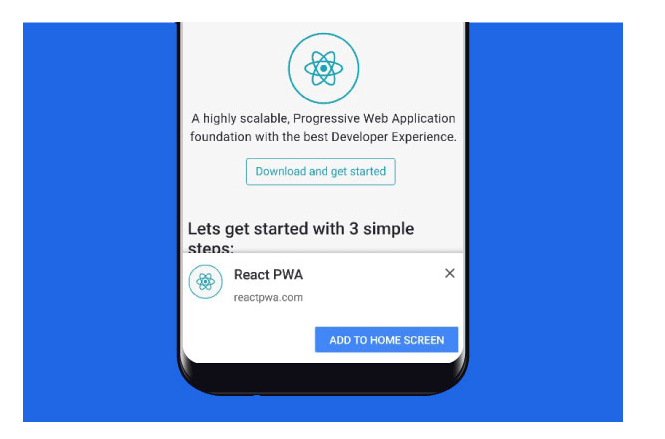
Unlike mobile apps, PWAs do not require any installation. Users don’t have to bother about going to the app store to install any progressive web apps.

Progressive web apps have a link-adding feature that allows the app to be cached so that you can access it right from your mobile phones.

Since 65% of mobile users download no apps on their phone, progressive apps make it easy for users to access their sites without having to download them and yet get an app like user-interface to use. And since there are no installations, there are no updates to be done from the user side.

The user just has to open the URL icon on the phone and access the app. Simple as that.

Cost-Effective and Faster Development

As a PWA is technically still a website, it doesn’t require that large of a budget as a mobile app does. And since they include only the essential features- making PWAs lightweight apps- quicker to develop and cost-effective scalable solutions.

2. Cons of Progressive Web Apps(PWAs)

Battery consumption

Since a progressive web app requires an internet connection, it consumes a lot of battery pretty fast. Another reason is that PWAs run on technologies that aren’t yet intended to optimally perform in a given mobile environment. And that’s why PWAs don’t optimally use battery power.

Limited functionality for iOS users

Push Notifications are one example. Push notifications have become an essential part for businesses to interact with the users by sending them regular updates regarding business offers and more. But since push notification services aren’t available for iPhone users and since most of the eCommerce consumers use an iPhone, eCommerce stores lose a majority of their target audience.

But that’s not it, where it hurts most for iOS users is that PWA has only a limited storage window for iPhones. Meaning that when a user adds a PWA, their offline data will be stored for no more than two weeks, after which the PWA cache will be cleared.

Limited hardware access

Progressive web applications have limited access to software and hardware capabilities. They don’t support features that are not powered by HTML5. But also for iOS devices yet again, PWA can’t work with Face ID, Touch ID, Siri, ARKit, In-App payments and other core features of Apple.

Getting troublesome for iOS users to use PWA optimally even if they want to. That means if the majority of your target audience uses an iPhone, PWA might not be the best option to go with. But then again, it depends on your business’s requirement and how PWA plays out to it.

Native App PROs and CONs

3. Pros of Native Mobile Apps

Enhanced Performance

Unlike PWAs, native apps are platform dependent. That means they are developed and greatly optimized per the specific mobile operating system.

Due to this, mobile apps work faster and provide unparalleled performance that PWAs are unable to match as of now.

Since the data is stored locally, the app takes less time to load and thus providing the users with a seamless experience.

Intuitive User Experience

When users face any bug issues with their app repetitively, it leads to them having a poor experience. That’s where native mobile apps come as the knight in shining armour. Native applications are built keeping in mind the mobile hardware’s technical capabilities so that the UI can impeccably integrate with the underlying computing functionalities to provide the users with a great experience.

Highly-secure environment

While PWAs use HTML5 which is a more secure version, they still can’t ensure the utmost protection against vulnerabilities.

Native apps are created with the latest cutting-edge technologies which ensure utmost security protection, data intrusions measures that enable users to use their mobile apps without feeling vulnerable to attacks.

Increases Business Productivity

With cutting-edge technologies at the helm of mobile app development, mobile apps have been contributing so much to improve and simplify the performance of everyday tasks.

4. Cons of Native Mobile Apps

High-Cost Development and Maintenance

Since a native app is platform-specific, you’ll need to hire a separate development team for each platform you choose to run your app on. And for eCommerce shop owners, having to create separate apps for different platforms can get quite expensive.

That means you’ll need a specific team of Java or Kotlin developers for an Android app and Swift or Objective-C developers for an iOS app.

While you can create a hybrid app that works on both platforms using a single codebase, it won’t be able to offer in-depth personalization of features like a native app.

Inconsistent Quality

Not all developers maintain high development and coding standards. That’s why finding the right team of expert iOS developers & Android developers that are at par and can satisfactorily overcome any technological hurdles to build a great mobile app and provide users with a seamless experience has become difficult.

Many development companies don’t have an in-house team of experts for both Android and iOS and that’s where this problem arises.

Looking for a dedicated team of Android or iOS developers from an established native mobile app development company? Get in touch!

User acquisition

Users have to download a native app from the app store as it is the only place to access it. For most online consumers, that are short on patience, it is an extra step in their shopping journey. That’s where customers will opt for PWA more since it can quickly provide users with the results they are looking for.

Progressive Web Apps vs native apps: Which is right for you?

We are not thinking of Progressive Web Apps vs Native apps as a competition and neither should you. Think of it as rather a friendly discussion on these vast mobile platforms so that it can help you make the right choice.

Summing it up, progressive web apps are websites with a dynamic framework, so if you’re a start-up or a small-sized business, as far as the PWA development costs are concerned, you don’t have to worry about not getting cost-effective solutions.

Between PWA VS Native Apps, building a PWA from scratch is must cheaper than developing a native app.

While native app development costs much more and is a heavily time-consuming process, it offers a custom-tailored experience, much better performance and an amazing user experience.

If you’re looking to create an eCommerce app for your online shop, native app development will be the right choice for you between PWA VS Native Apps. With custom-tailored iOS & Android app solutions, you can engage with your target audience on both platforms effectively and greatly empower your growth.

We hope this helps clear the fog in your head regarding which is better and which is right for you between PWA VS Native Apps.

But as always, whichever way you proceed to take your online business ventures, bringing on board a trusted & established web & mobile app development can accelerate your business growth.

Communication Crafts has been helping businesses, start-ups and organizations turn their visions into reality with our innovative mobile app development solutions and PWA solutions for the last 15 years.

With customer satisfaction at the core of everything we do, we are truly dedicated to creating lasting success for you. Our amazing team of expert Android developers (Java & Kotlin), iOS developers (Swift & Objective-C) and PWA developers are industry experts with years of hands-on experience working on creating custom mobile apps from scratch that meets all requirements successfully.

Whatever mobile solutions you need, we have you covered!

Get your custom-tailored PWA or Native app and grow your business successfully!

You’re in the right place!
Latest Web Development Trends in 2023

Web development is at the pinnacle of the digital age. As innovations in technology continue to pave the way for a digital-oriented future, web development has become the talk of the hour.

In a highly competitive web industry, adapting to the latest website trends has become essential to keep that competitive edge.

In 2023, these are new web development trends that businesses, companies, and organizations are going to have to adopt.


Let us see in detail why these web trends are going to be crucial for success for online businesses.

1. Progressive Web Apps (PWA)

Progressive webs apps (or PWA) is a relatively new technology that has been here for some years now.

So what exactly is a PWA?

In a nutshell, PWAs are modern websites with powerful browsing functionalities that deliver enhanced user experience, better than native apps.

65% of users download no apps on their phone. And this is why progressive web apps have become a user favourite. It has enabled the users to access the web app right from their smartphones without having to download it.

A recent PWA study found that conversion rates increased by 169%, page load was 85% faster and PWAs increased mobile users by 154%.

PWA has been pivotal in providing the users with a great experience along with providing the users with offline access to cached content. And that’s the reason why MNCs, organizations and start-ups are going to go big for PWA development this year.

2. Artificial Intelligence and Bots

Artificial Intelligence and Bots

AI bots are taking over the web world. With its ability to mimic human intelligence and provide futuristic automated functions like learning, data collection and analysis, AI-based Chatbots are going to become more relevant in 2021.

AI Chatbots bring with it unparalleled ability to provide outstanding cost-effective solutions by removing the need to manually assist the users with their queries. They provide the users with the ability to quickly get answers they are looking for and provide them with a seamless experience.
MNC’s such as Facebook Messenger, WhatsApp & Skype already use AI technology to deliver their end-users with a great experience.

A Chabot can also be integrated into a PWA, a native app, websites, or any mobile app with custom end-to-end solutions.

Some key benefits that an AI Chabot brings:

  • Offering greater customer satisfaction
  • Increasing your customer base
  • Reducing human errors
  • Saving time, money, and effort
  • Focusing on user experience

With UX design becoming more customer-centric by the day, the significance of artificial intelligence & machine learning technology is going to play a pivotal role in defining futuristic web designs. And also, help increase a company’s credibility and help get high-quality leads.

3. Accelerated Mobile Pages (AMP)

Accelerated Mobile Pages a.k.a. AMP is undoubtedly one of the top web trends in 2021.
When a website takes more than one second to load, conversions can reduce by 7%. Practically speaking, if an e-commerce site is making $100,000 a day, a 1-second delay can cost them 2.5 million dollars loss annually!

That’s where an AMP comes to play.

AMPs are optimized pages that load much faster.

Compared to a regular web page, accelerated mobile pages are relatively much faster due to the open-source plugin that was recently developed by Twitter and Google.

AMPs enable web pages to not only load fast but have an intuitive design with basic features that provide the users with a great website journey. They load faster than regular HTML as they don’t show all extravagant elements and display only the essential information- text, images and much more.

While many businesses still go with a native iOS or Android app (which are heavily dependent on fast internet speed), AMP plugin gives companies a chance to save high on development costs and reach users with any Internet speed.

For growing businesses and start-ups, they now have a chance to compete successfully with large organizations with niche website development integrated with AMPs.

4. Internet of Things (IoT)

The Internet of Things (IoT) is the next big thing in the web & mobile app industry.

With more than 30 billion IoT devices expected to be connected to the internet via mobile apps & web apps by 2025, IoT development is what everyone is looking for.

Some of the industries’ which have already invested heavily in IoT are:

  • Healthcare
  • Agriculture
  • Banking/FinTech
  • Manufacturing

IoT development is on a steady rise as it paves way for a better future for humankind.

5. Mobile-First Development

Mobile-First Development

With the number of mobile users on a significant rise, people access websites from their mobile phones more than their desktop. More than 54% of internet traffic comes from mobiles and tablets.

That’s why nowadays product development revolves around the mobile-first development approach to create innovative mobile solutions.

6. Motion User interface (UI)

Web users wanted seamless and intuitive products to use. And here came “Motion UI” to make things right.

Motion User experience is all about making things look appealing on-screen. With user experience at the core of web development & design, motion UI is the perfect cherry on the cake.

With the help of Motion UI, web developers & designers can create an intuitive interface that smartly informs the users on what action to take on the page by curating a more fluid and enjoyable experience.
Elements such as animated charts, hovers, background graphics and creative headers are important parts of interface design that brings life to a website.

Voice search is the most significant example of evolving technology today. People nowadays prefer entering their queries over voice commands.

As of now the voice assistants that the world is familiar with are Siri, Cortana, Google Now, Alexa and other third-party apps.

Thanks to IoT, it is estimated that there will be more than 8 billion voice assistant use by 2023. Along with 163 million smart speakers by 2021.

This has opened a new door for web development- self-standing devices, voice-activation and voice search optimization.

This year onwards, embrace yourself for smart and IoT devices that offer custom-tailored AI-based voice experiences. And since this feature will impact user interaction with search engines, marketers and web developers will need to curate custom digital marketing & development customization respectively, to adhere to this.

8. Push Notifications

Push Notifications

Today brands are able to effectively engage with their customers much easier than ever before. Thanks to push notifications, websites and mobile apps reach a wider audience while leveraging the benefits of online marketing. Infact, Push Notifications have boosted app engagement by 88%.

This web technology has proved to be a compelling way to gain users’ attention and effectively increase retention rates.

And that’s why this year, we’re going to be seeing push notification services being adopted by businesses for their web apps.

Notifications will be sent to the user’s desktop and can strategically be used to send them information regarding things like sales, and important alerts .

Working as one of the most effective marketing services, push notifications is one of the key web design trends this year.

9. Single Page Application

Single-page application is a web solution that renders JavaScript code to load content directly in a browser and thus has no need of page reloads during a user’s journey.

This means that after the user opens the web page for the very first time, all web data is automatically loaded. Thus reducing the load times and helping provide users with a better experience than other apps.

The best examples of single-page applications are:

  • Google
  • Gmail
  • GitHub

Single-page apps are also popular because they only show the relevant information, images on a page- helping users simply browse through what they searched for in the first place.

10. WebAssembly

Whatever web development approach you choose, one thing is for sure, it should never compromise on the performance of the site. But the issue stands with JavaScript. When used to power complex functionalities for websites, it is associated with more load times.

That’s where WebAssembly is a game-changer. As an open-standard, it defines a portable binary code format for executable programs.

Using WebAssembly, developers can easily compile programming language code into bytecode that then runs in a browser.

Some advantages of using WebAssembly :

  • Harness hardware capabilities to be portable and efficient
  • Supports non-browser embedding
  • It can integrate with any current existing web platform

Investing in WebAssembly can enhance the performance for web apps. So if you’re struggling with the performance of your site, using WebAssembly can drastically help turn things around.

That sums up the trends to look out for. These are the web development trends in 2021 to adopt first.

Start gaining the competitive-edge

If you’re looking for a great web development company to help you grow your online e-commerce business or create an intuitive website that people will love, we can help you with that.

As a leading web development company in the USA, Communication Crafts is trusted by companies, businesses, organizations, and start-ups to help provide impeccable web solutions that help them empower their growth.

With our innovative web development services, we create futuristic websites that are elegant, intuitive and provide the end-users with an amazing experience.

Our amazing team of web developers, mobile developers have years of proven experience creating impeccable PWAs, dynamic websites, mobile-optimized pages and AMPs. We always keep up with the latest trends and technologies that enable us to provide our clients and partners with the best solutions.

Get a custom- website that people love to use!

You’re in the right place!
 

Latest impactful trends for Enterprise Application

Digital transformation is the name of the game for business enterprises to continue striving in this digitally empowered world.

Digital transformation is both a key challenge and an opportunity for businesses today. It has become completely essential for businesses to power their legacy apps with next-gen innovative solutions to stay ahead of the competition and achieve the desired business goals.

In this blog, we’ll go over the enterprise application development trends of 2021 and answer frequently asked questions like:

  • What is the most important function of an enterprise application?
  • What is the most important benefit of an enterprise application?
  • What are the emerging trends in enterprise software?

But what exactly is an enterprise application?

An enterprise application (EA) is a large software system platform that large businesses depend on to solve their complex problems. It is developed by following the enterprise architecture.

As a business grows in size, it has to adopt an increasing number of enterprise apps that help streamline business operations.

What is the most important function of an enterprise application?

Basically, Enterprise Apps are highly relied on as they successfully facilitate bridging the gap between the front office and back-office functions. Along with providing unparalleled seamless functionalities that help carry out various business tasks efficiently and thus improve overall productivity.

Usually, enterprise application software services include billing systems, CRM systems, IT service management, resource planning, business intelligence, enterprise resource planning, integration and more.

Speaking of integration, Enterprise Apps are heavily associated with the integration of various apps.

Without it, in this data-driven world, businesses can’t yield the maximum benefits of an enterprise application.

What do we mean exactly by enterprise application integration (EAI)?

Modern computer systems or legacy applications have to interact with one another to analyze their customers’ data and leverage it to their business advantage. That’s where EAI comes to play.

Enterprise application development is the use of technologies and services across an enterprise to enable the integration of software apps and hardware systems.

Basically what EAI does is focuses on system interconnection, electronic data interchange, and distributed computing environments from everywhere in an organization.

Enterprise Application Integration (EAI) helps boost business productivity in more than one way:

  • Simplify management of unified records and reduce human error in the process
  • Grant access to users for certain business records
  • Accelerate business growth
  • Carry out faster, secure business operations
  • Easy development & maintenance

Most businesses that have been constantly innovating and undergone successful digital transformation have increased their revenue by 23% to 34%. On the other hand, more than 50% of Fortune 500 companies have
either declared bankruptcy or have been acquired by other companies due to the inability to keep with the market trends.

That’s why digital transformation has become an integral part of achieving success.

With the evolution of technology, there has always been a drastic shift in the way businesses operate on a daily basis. Having grasped the importance of upgrading & improving enterprise applications development, it becomes clear that it is that could lead to a better future it has become essential to keep up with the latest trends in enterprise applications.

Let’s explore the emerging trends for enterprise applications

Better Security Measures

Remember when back in the day Facebook revealed a massive security flaw on its website that led to more than 50 million accounts being hacked.

With organizations prone to millions of data breaches a day, it is estimated that businesses will fall victim to ransomware attacks every 11 seconds in 2021 costing the world a staggering 6 trillion dollars this year!

And that’s just the gist of harm cyber-attacks can cause to organizations.

That’s why enterprises need to implement more effective end-to-end encrypted security solutions, data deletion measures, VPC, and VPN along with monitoring of threats constantly. Enabling them to minimize the risks so that enterprise application software can continue to maximize your investments.

With AI & blockchain technology playing a major role in the automation of dealing with cyber threats, this is one of the most favoured trends in enterprise application software of the year.

2021 is set to see the largest rise from 184.19 to a 202.97 billion dollar investment for cyber-security to prevent any data breaches.

And that’s why you’ll notice an increasing trend for better security measures in place for enterprise businesses.

Cloud-based ERP

Currently, the traditional on-premise apps have reached their threshold. Not only are they more expensive, but with Cloud platforms now in the picture, it brings on-demand Software as a Service (Saas) model of deployment. Due to its feasible nature , enterprises are preferring the cloud option more.

In 2021, cloud-based enterprise application development is going to be the talk of the hour.

With more than 60% of businesses preferring to migrate their business operations on cloud platforms, this is one enterprise application development trend that is here to stay. As newer technological advancements will be made, a lot of technology is going to evolve around the Cloud.

Businesses want a secure and unified enterprise application infrastructure, and thanks to Cloud integration services, it is easily possible.

Witnessing increasing traction of cloud-based ERP since last year, the cloud-based ERP market is set to skyrocket.

Enterprise Mobile Apps

Mobile phones are incorporated so deep into helping us carry out our daily tasks, that it’s hard to imagine a day without them. With mobile technology always on the road to newer and better innovations, its capacity to transform and simplify business processes is truly fascinating.

With more than 5.20 billion mobile users in the world, businesses have realized the success a great enterprise mobile application can get. And that’s why everyone is looking for a great enterprise application development company to help them achieve impeachable mobile solutions that can help with their data management.

Not only do mobile apps help businesses connect better with their target audience, but they are proven to successfully help overcome complex business hurdles and maximize profits.

This is why the world is set to witness a huge spike in custom mobile enterprise application development and cross-platform development.

SD-WAN

SD-WAN (software-defined networking in a wide area network) is set to reach a staggering figure of $4.5 billion by 2022. It is set to be the backbone of enterprises.

Various multinational enterprises often face the challenge of deploying branch office-wide-area networking right through thousands of locations and simultaneously maintaining exceptional user experience while ensuring their online security.

SD-WAN leverages a combination of public and private networks to enable networks to be more secure (end-to-end encryption), and faster and reduce latency between cloud providers and private data centers.

Get Started On Your Success

Now you know the enterprise application development trends you can safely bet your money on this year.

Integrating various applications into your enterprise application development will help provide your users with a seamless operation, improve productivity and optimize your costs.

And we can help you achieve that.

As a global enterprise mobile application development company, Communication Crafts have years of experience helping businesses upgrade and create custom enterprise applications from scratch. Enabling them to take their business to the next level. And that’s why we are a trusted enterprise application software development company. Our clients trust us to help them achieve their business goals and that’s what we are dedicated to achieving. Using the latest technologies, we innovate till we ensure that all your business goals are satisfactorily achieved.

If you need help choosing the right development platform or need expert guidance for your enterprise application development, get in touch! Our expert mobile app developers will help you clear the fog and create a custom strategy that’ll enable you to achieve your business goals.

Looking to Get an Enterprise Mobile App for Your Business?

You’re in the right place!