5 simple way to improve SEO & UX to curate a better web design

It takes around half a second for a person to form a first impression of anyone. That’s the same for websites.

When a viewer opens a website, the design of the website is what instantly influences the reaction and perception of your viewer.

In fact, a study found that users highly rated websites which looked more appealing than those which didn’t, regardless of how the performance was.

However astonishing as it may sound, visual design really matters the most. It makes all the difference in the sense that it can get you the online success you are looking for.

Consider web design as an entangled web, which interconnects and influences user’s experience (UX), online visibility and business sales.

Even your site’s SEO performance directly depends on the impact of the web design!

Astonishing, isn’t it?

Now you might be wondering what UI/UX design has got to do with SEO.

Truth be told, search engines are more evolved than ever. Their algorithms are much smarter and they collect, analyze in-depth data of your site for SEO; considering on-page SEO & off-page SEO factors and determine how your site will rank on search engine result pages.

That means factors like bounce rate, conversion rates, internal linking, time spent on your website, all play an influential role in the outcome of that result. And since that completely depends on your user’s journey and their likeability of the website, which would determine if they stay or don’t. Thus affecting user engagement metrics in your favor or maybe not- considering how you play it out.

That’s why SEO & a great UX design is integral to success.

If you’re looking to optimize your webpage for better SEO, this piece is just for you. Let us see how you can improve user experience & SEO of your website.

1. Mobile-friendly
Mobile-friendly

The amount of mobile users in the world are on a continuous rise. Currently, there are more than 3.5 billion smartphone users and that figure is only bound to increase sooner than later.

More and more people access the web from their mobile devices. So, having a mobile-friendly website is important.

You might be wondering how it effects your SEO score.

Well, since most people nowadays use Google search from their mobile devices to make a query, Google uses the mobile-version of the website content for indexing, rather than the desktop version.

Thus, if your site isn’t mobile-friendly, your ranking is likely to be drastically affected.

More so, since people are quick to snap on sites that don’t offer a seamless experience throughout all devices, making it optimized for all devices is also important. You’ll need a great UI/UX design for that.

2. Loading Speed

Speed plays an important role not only influencing the user’s experience but even has an important role to play for SEO. No matter how great the visual design is, it won’t matter if the site isn’t quick to load.

Naturally, people don’t like waiting a lot. More likely waiting for long time for the site to finish loading. If your audience exits the site before the page load, it still adversely affects your bounce rate!

Since Google has also made loading time an essential factor for conversion rate optimization, sites that don’t load fast are likely to be ranked down the order.

But if you want a SEO friendly website, it’s not that tough to achieve it.

To begin with, you can start website optimization with images. Those which aren’t optimized are one of the main reasons for having slow load times.

Of course, there are other ways which involve a more technical aspect. Better coding of the functionality to reduce the CSS, JavaScript, leveraging browsing caching, HTML files and much more.

You might need to bring on-board specialties from a well-known web design & development company who can simply provide quick solutions to all your site problems.

3. Typography
Typography

Typography is another element, whose influence on the audience cannot be underestimated.

The main reason people surf through the web is to feed on the content or finding relevant information they are looking for.

That’s why content is so important.

More so, maintaining the consistency throughout to give it a more professional & aesthetic look. Conveying intent and emotion of your business is easily achievable with the help of the right font type and font size.

If you play your cards right, then your website will convey exactly the emotions you plan to instil in your viewers. Using the right type of typography, you can make your content more attractive and impact the readability of your site which curates to a better user experience.

Some quick things to keep in mind:

  • Proper alignment is necessary
  • Text size matters
  • Use less typeface but choose the best
  • Right appropriate content

A great website design company can help you guide and provide you with responsive web design solutions that will help you enhance your user experience and thus improve your overall SEO score.

4. Better Navigation

A crucial aspect of user experience design web is navigation.

When the user lands on your site, navigation links help direct your visitors to explore the content of the site. If your visitors have a difficult time searching for what they need, they might get confused or feel frustrated and ultimately decide to leave.

You don’t want that to happen!

That’s why organizing your navigation menu into specific and proper categories and subcategories so that users can easily find what they need is a crucial aspect of user experience design.

Not only this, but to yield maximum benefits of SEO in web design, you can even optimize your content keywords.

5. Color Combinations
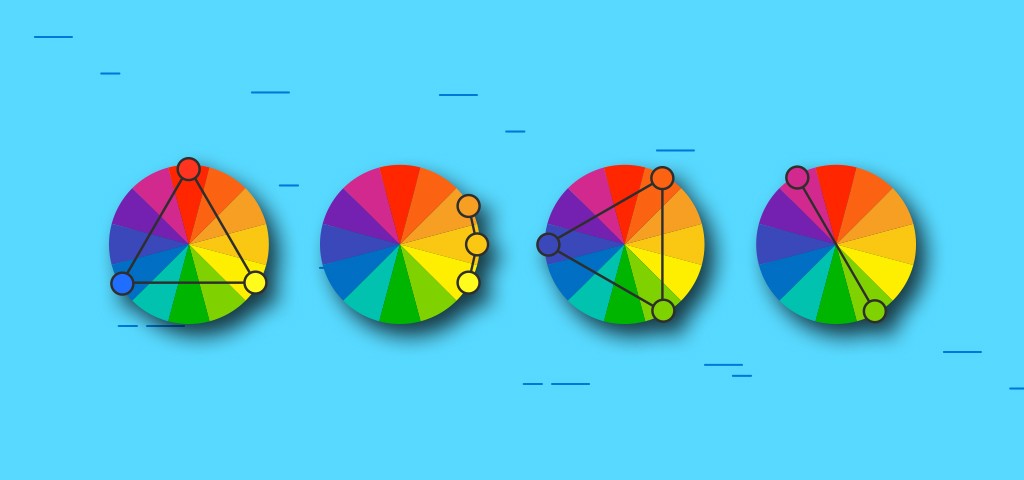
Color Combinations

There’s whole psychology on how colours drastically can affect the way people perceive a brand. Different shades of colour bring alive different emotions in a person. Combining the right shades of colours can convey or set the right mood for the audience.

In the End

Visuals matter the most. You should be thinking of having happy customers on your site. That should be the goal and only that should influence the design decisions you make. But take it from the pros, when it comes to user experience & SEO, you would want to invest as much as you can in an intuitive and engaging SEO-friendly UI/UX design. Ultimately that’s what’s going to be the catalyst to taking your business to new heights and achieve great success for you.

If you are unsure of how to proceed or have an idea, to begin with from scratch, you would want to work with an experienced web design & Development agency who have years of proven experience working their magic for their clients. Lucky day, that’s us!

How to create a customer-centric Ecommerce Website that sells

6.54 trillion US dollars. A ballpark figure of what the global retail E-commerce sales are going to stand at in a couple of years.

It’s evident that E-commerce has already peaked and is on the path to adapting to a new revolutionized digital age.

If you’re an E-commerce business, it’s time to buckle up! Yes, people are preferring to shop online more and more these days.

But in the end, it comes down to you to convert those visitors into customers.

That’s why customer experience is so crucial to success.

Understanding your target audience’s behavior, what they like and don’t all have a valuable effect on how your site is going to perform. That’s why looking at your website’s UI/UX design, it’s important to keep your customers experience at the forefront of everything you do. From selecting the right colors to the navigation and overall look of the site; you just have a couple of crucial seconds to enable your customers to find what they are looking for quickly. Make one wrong design decision and it can sink your ship.

Take a deep breath, we’ve got you covered. Let us look at some of the things that should be at the forefront of your design aspect.

9 Essentials to get a great Customer-Centric Ecommerce Website Design spot on

1. Create a dynamic website

Create a dynamic website

Whether the user uses a mobile phone, tablet, or desktop- your website should provide a seamless and consistent performance regardless of the device. Adding functionalities and features that help curate responsiveness to the website is what you would need to do. What that means is, responsive websites will automatically adjust their layout of the site and adjust content likewise to fit the screen.

So if your website isn’t dynamic enough, users on a certain level would find it difficult to consume your content and more so, would exit the site in such a scenario. You don’t want to not have a user-friendly design. Get one and enhance your customers’ overall experience and see the difference in a matter of time!

2. Speed up your website loading

8 seconds, that’s the average attention span of a person. Imagine the amount of frustration a person would go through because of a website that takes too long to load. Combine that with the time window on our hands and we have ourselves a situation!
Matter of fact, even a 1-second delay in page response can result in a 7% drop in conversions. It’s pretty evident to what not to do- don’t make your visitors wait a relatively long time.

What you can start with is checking your speed on Google’s Page Speed Insights. There you can find out your site’s speed for mobile and web. But not only that you’ll find out what aspect you can improve your speed and carry out the necessary speed optimization tasks for it.

3. Use premium-quality visuals

Use premium quality visuals

If you want to enhance your customer’s experience you need a touch of high-quality visual content. People don’t have the luxury to shop in-person online- feel, touch, and then decide if to purchase or not. That’s where you can help them decide better. Great and premium-quality photos and graphics can go a long way in psychologically influencing a customer’s purchase decision.
Not only that but don’t forget to upload multiple pictures of any product you sell so that there remains no doubt in your customer’s minds; once they view it from different angles.

4. Customer testimonials

What better way to convince your visitors to buy the products than reaffirming it from the existing customers themselves!

Customer reviews play an important role in influencing a purchase online. At times, that’s what people mainly search for before buying any products.

If you’re looking for a great modern E-commerce website design, then the customer review section is surely going to be part of it.

5. Make carrying out the transaction simple

Make carrying out the transaction simple

E-commerce designers often forget that the transaction part of the page is actually where the “conversions” take place. Unnecessarily making it a complex process can see the potential customers going the other way, just because they’re tired of navigating their way through it.

To make sure this doesn’t happen to your site, give the checkout process a simple and clear-cut intuitive design. The user should be able to complete the transaction hassle-free and within a few simple steps.

6. Enhance your website’s navigation architecture

Imagine getting overwhelmed with having to make so many clicks before you can find what you were looking for in the first place. If you truly want your E-commerce business to flourish, you need to keep the number of clicks to a minimum. The user should easily be able to find what they are searching for. One simple thing you can do is create different categories in your navigation bar. This enables the user to go directly to the category they are interested in.

7. Provide Multiple Payment Options

Provide Multiple Payment Options

In this digital age, there are new modes of payment. Although cash on delivery, credit & debit cards are the go-to payment method. But what if they use PayPal or any other UPI service provider?
Ensure that your website lives up to its standards by providing multiple payment options. If your e-commerce site doesn’t have these payment modes, people might even find your site outdated. To ensure they don’t feel that way, make sure to integrate multiple user-friendly payment options.

8. Add Frequently Asked Questions

While the users surf through the site looking at different products, they might have some concerns. The usual questions they might have can be related to refund & return policy or something else in particular.

That’s why you should add an FAQS section on your website. Make it easy for your customers to find answers without having to take that extra effort to reach out.

Ready to take your E-commerce development that SELLS?

Yes, the customer is always right.

While designing ecommerce websites, customer experience is the most defining aspect of that’ll lead to a great website. That’s where Communication Crafts comes to play.

Our next-gen e-commerce website development services are just what you need. Whether it’s creating an engaging and responsive website that people love using, or increasing business sales- our expert ecommerce developers will help you achieve all your goals. Using the latest e-commerce development platforms: Magneto, WooCommerce, and Shopify, we enable your growth.

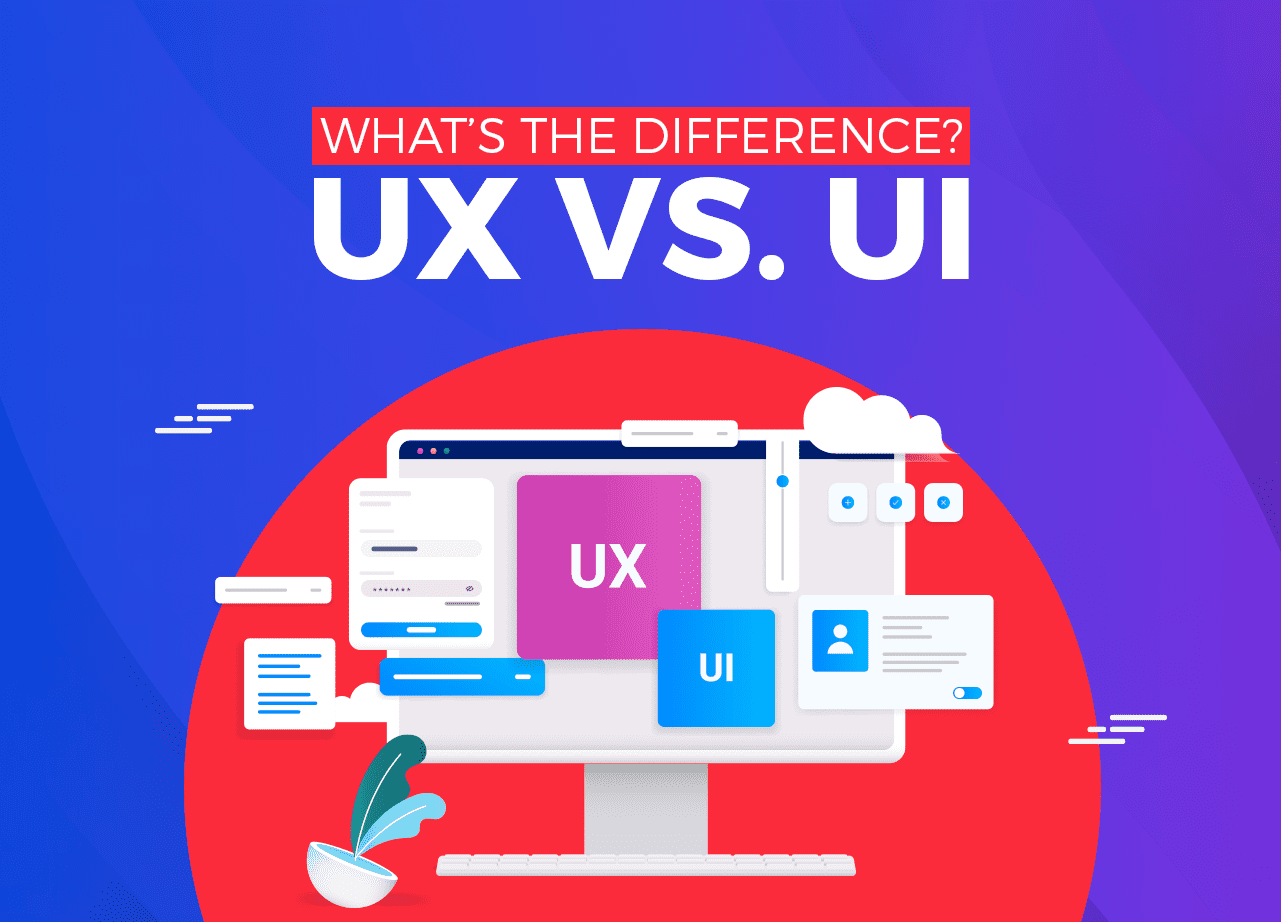
UX vs. UI : What’s The Difference?

It is fundamental to get mobile-app design essentials clear before beginning the development process. UX and UI are key for any business’s web & mobile application development.

It comes as no surprise that designers working with UX and UI for the first time will naturally be finding it tough to find their way around UX and UI. Both the terms have always been misinterpreted or thought of as the same thing. In some technical aspects, UX and UI overlap each other, which is where the confusion arises. It is almost impossible to draw out one discipline from the other. However, both aren’t the same thing.

UX is a combination of tasks focused on improving mobile apps for active and enjoyable use. UI deals with many aspects of what customers see first when they open the app from the intuitive looks, feel, display, and interactivity of the app.

UX design basically helps users achieve practical tasks whereas UI design includes an appealing interface that the user will enjoy using. Usually, the UX and UI designers work on the same development projects but implement different tasks at each stage of the development process.

Being in the development industry for more than 15 years, we at Communication Crafts have worked on creating several successful UX and UI designs for our client’s applications. Keep reading and we’ll make it crystal clear for you to understand the difference between UX and UI.

What is UX Design?

What is UX Design?

UX Design refers to the entire experience someone has with the product from start to finish. Finding the simplest and hassle-free way to help people achieve their requirements on the apps is the main goal of UX. UX design is not about the visuals, but about the overall experience that a user will have with the product.

User experience design begins with keeping the customers’ problem in mind and creating wireframes or prototypes for its solutions. A wireframe is the blueprint structure on which a design is implemented to work on the user level. Once a wireframe is created, the UX designer rolls out prototypes which are effectively tested to understand people’s need better and make relevant changes in the prototypes, which help cater an enhanced user experience.

Design thinking is an integral part of successful mobile app development.

By conducting in-depth research of the users using the prototypes, the UX designer can identify the customer’s liking and requirements in a better way, which in turn helps them design the application better.

What is UI Design?

What is UI Design?

A UI designer’s job begins where the UX designer’s ends- at the prototyping and testing stage. UI is typically what people understand about the user experience.

Simply put, the UI Design is the process of transforming wireframes into an elegant User Interface people would love using. It includes the right typography, appealing images, optimization for different screen sizes, and other visual design elements that turn a basic user interface into something appealing and pleasant.

When you log onto Facebook, Google, and Instagram, the first screen you see is what reflects a well-designed UI. From the right color combination, size of the buttons, text field, dropdown menu- all designed to perfection by a UI designer.

This adds up to create a great influence on the emotional mind of the user.

What’s the difference between UX and UI?

Consider this analogy to better visualize UX and UI: Imagine building a house from scratch. UX would be the foundation, while UI would be the essentials of the house- such as floor, doors, furniture, and much more.

The foundation always comes first. Rightly so does the User Design (UX). A design is created keeping in mind how different functionalities of the app connect with each other, how logic is integrated with the interface. This builds the foundation of mobile app development.

Once the design is rock solid, User Interface (UI) design can begin its work. They combine the right colors to set the user’s mood and create a minimalistic yet intuitive design that the user would enjoy interacting with.

UX focuses on detailed research that aims to discover how to maximize the enjoyment for the users of the product, while User Interface is the transfer of this research to create a visually pleasing and smooth experience. In this way, UX and UI designers work with each other on the development projects. Without its counterpart, one won’t work in delivering effective design.

Why are UX and UI important?

The fusion of UX and UI shapes the entire user experience- from starting to the end. It is such a crucial design aspect because people always want to use the best products available in the market. If there are two mobile apps offering the same end result, the one with a better UX/UI design will surely end up becoming the user’s favorite.

It isn’t just a great practice to have good UX and UI design, but it actually makes a huge difference in experience. And that’s the secret of how most mobile apps succeed in this ever-competing market- an awesome UX and UI design.

Our full-time team of UI/UX developers works round the clock pushing the client’s mobile & web apps to perfection. We wouldn’t want it any other way. Customer satisfaction is of utmost importance to us and we always strive to achieve it no matter what. Your target audience is always an important aspect we consider while designing the user interface. Our brilliant team of mobile app developers, graphic designers, and UI/UX developers never settle for anything less than perfect. Along with gathering insights about your users better, our UI/UX designers use that data to craft your app more effectively to meet your user’s needs. We not only create your application in an engaging and cost-effective way but also provide a superior scope for your business to succeed.

Looking for an awesome UX/UI designer?

Well, you found the right one!