Firstly let us understand what is Unity and its implications. Unity is a cross-platform game engine developed by Unity Technologies, as a Mac OS X exclusive game engine. The engine can be used to create three-dimensional, two-dimensional, virtual reality, and augmented reality games, as well as simulations and other experiences.
Now, how does Unity help in non-game apps? It’s quicker and a lot easier to make as it lets you use C# rather than Java or Kotlin. C# is generally considered to be a little simpler to get to grips with versus Java.
Let us explore more on how Unity Mobile Development works.
The most basic use is that Unity Android Development is much quicker and simpler in many situations. This is because Unity lets you use C# much more effectively. If you are a Unity Development Company, then you would also like the fact that the engine uses a particularly intuitive and speedy user interface. With Unity, one needs to do far less coding when building non-game apps. Not to forget, testing and deploying apps is extremely efficient, too. Adding assets built by other users couldn’t be simpler. The best part is that the installation and set-up are also really quick and easy!
Cross-platform development:
One great feature of Unity is the fact that it is a cross-platform app development tool. It lets you easily create apps for Android, iOS, and Windows with very few changes needed. For a Unity Android Development or a Unity Development Company, it is a great feature to have.
Dominant features:
Unity has a number of dominant features that are designed for non-game apps for Android Development & iOS. These include graphical features as in if you want to have 3D elements or AR technology in your app, you can do so easily with help from Unity. These features not only make your app look great but also have fantastic real-time benefits for the customers.
Debugging:
Tweaking and debugging for Android Development & iOS is very easy with Unity. Developers can debug the process at runtime. Unity allows its users to make non-game apps where the debugging process is simplified to a great extent and easy to use.
High-end graphics:
As Unity is an engine designed for game developers, it is obvious that it supports high-end graphics. What is great is that, when it comes to developing non-game apps for Android Development & iOS, Unity supports high-quality audio and visual effects with complete ease and adaptability onto any screen.
The Unity engine is a great way to make life simpler for developers making non-game apps for Unity Android Development. It also has a host of UI components that can be added to the canvas which is useful for making an online form or a questionnaire too. To put it shortly, the Unity engine might be for game development, but if you are good with coding and need a quick and easy engine that does everything you need for Android or iOS Development, then Unity is the answer.
Get started today with building your very own non-game app.
Get started today with building your very own non-game app
Having a website was enough for businesses at the inception of the digital era, but that’s not the case anymore. The demands of online consumerism are skyrocketing with more inclination towards mobile-friendly user experiences.
Mobile Apps are the future of digital marketing and online retail. Businesses need to understand the significance of mobile apps, the sooner the better.
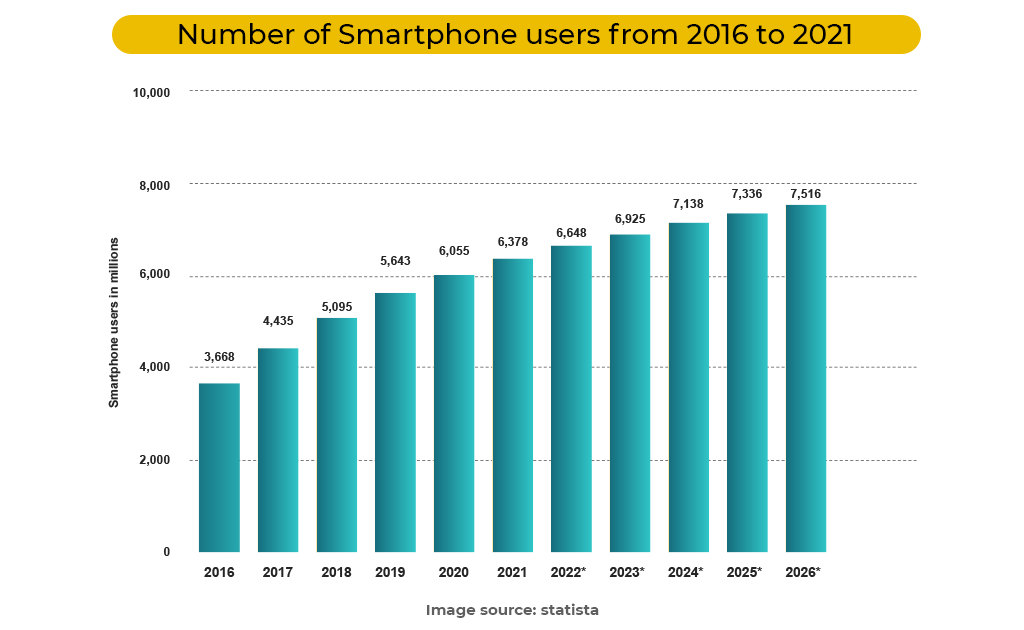
The number of smartphone users has surpassed 6 billion already.
As a leading mobile app development agency, our experts have highlighted the significance of converting your website into a mobile app and explained the 7 steps to build a mobile app.
In this ever-increasing digital competition, a website can only get you so far. The influence and benefits of a website are limited as the audience is actively gravitating towards mobile-friendly experiences.
Top 4 successful examples of websites converted into mobile apps:
The New Yorker
H&M
Blue Apron
Canva
Here are some of the benefits a mobile app unlocks for your business:
1. A mobile app puts your business in front of potential consumers
A mobile app expands your audience and multiplies your online visibility by two folds. After installing the mobile app, it’s simpler for mobile users to use and engage with the applications than opening a website in a browser.
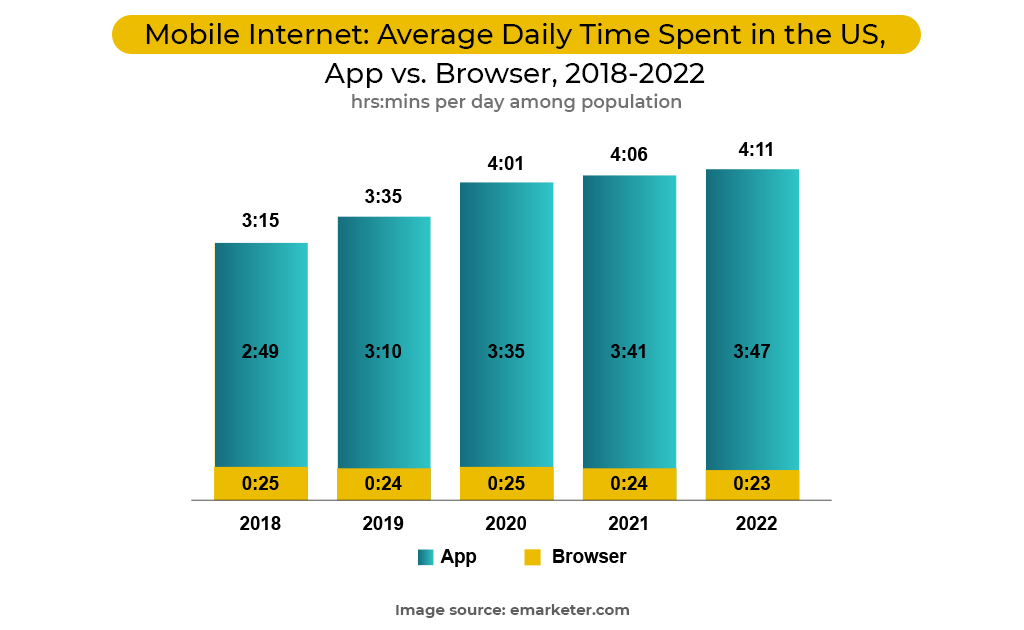
83% of mobile users tend to spend more time using apps than websites, and this is, more or less, because applications are easier to access and use on mobile phones.
Moreover, if you convert a website into an app, then it makes the platform more reliable across multiple screen dimensions. It can be optimized to function perfectly for app types of mobile phones and tablets.
Another aspect that improves your brand’s online visibility is Search Engine Optimization.
2. A mobile app is SEO- friendly
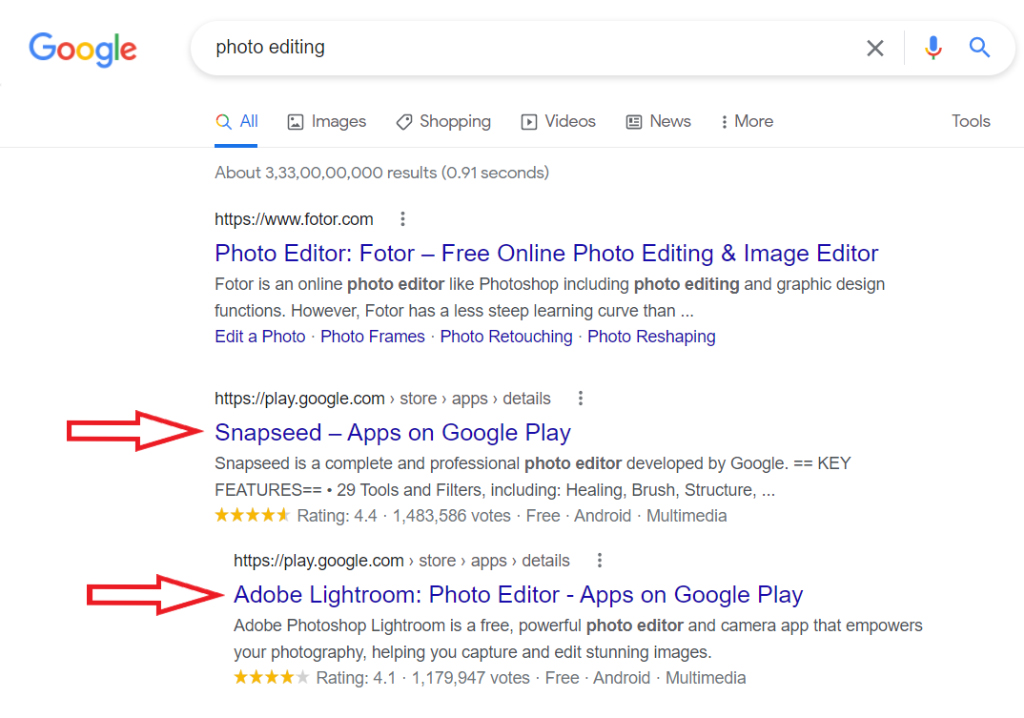
As we’ve already established, the number of mobile users is growing rapidly. As Google provides the most relevant search results, your mobile app can heavily influence your SERP ranking for mobile searches.
Google recognizes if the user is searching via mobile phone, and it displays search results that pertain specifically to the mobile interface.
For instance, if mobile users are searching for a certain product, it is more likely that they’ll find your business among the top search results if you have a mobile application.
That’s why turning your website into an app makes your business more SEO-friendly and enhances your overall online presence.
3. Additional Integrations
Any experienced app development company would know that integrations are a significant perk of turning a website into app. An application enables many features on mobile phones that a web browser just can’t facilitate.
Turning a website into app lets you integrate phone contacts, camera, GPS and many more features to optimize and enhance user experience.
For instance, you can deliver a completely immersive online retail experience by integrating Augmented Reality through camera functions.
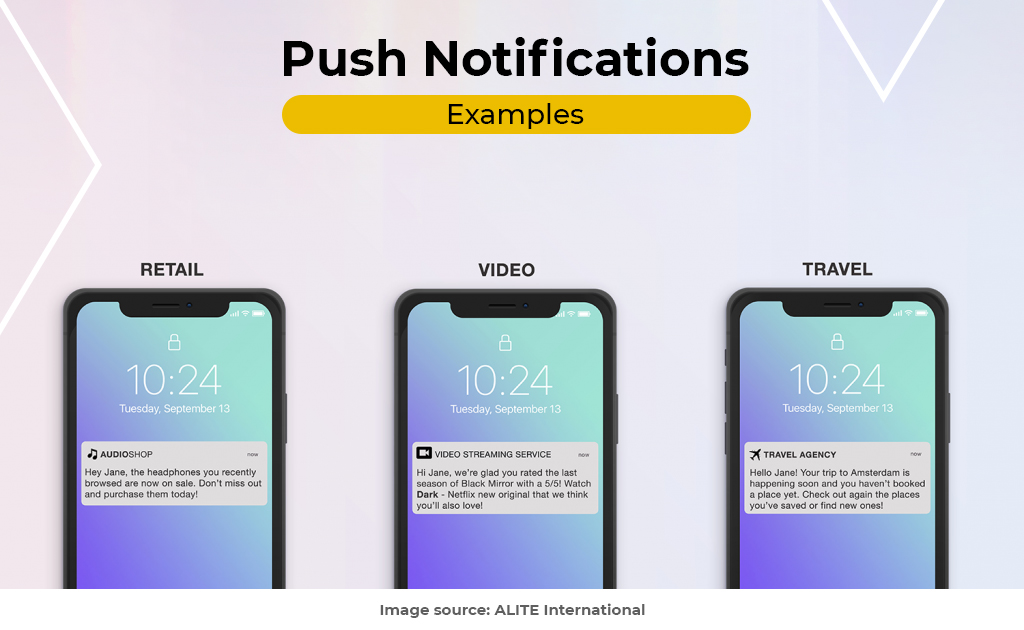
4. Push Notifications
Mobile push notification is one of the easiest and most effective latest digital marketing trends with increased outreach and maximum customer engagement.
It can also be useful for getting insight to optimize content strategies by monitoring clickthrough rates.
Mobile Push Notifications are pop-up messages sent to users for notifying them about sales, discounts, news, events, product releases, and more, providing a cost-effective way of engaging with the audience.
Also, you can use geofencing technology to deliver personalized push notifications, enhancing online retail experiences for your users.
Source: ALITE International
5. Multi-Touch Functionalities
It is advised to turn website into app also because of the multi-touch feature, which is only facilitated by iOS and Android apps. There are a collection of gestures that mobile users can use with their fingers to enable different functions.
Different finger gestures like pinching, long-pressing, swiping, etc. not only creates an interactive and personalized user experience, but also provides seamless navigation for the users.
6. Offline Functionalities
Even though the digital era is rapidly taking over all industries, some remote locations like rural areas still have a weak internet connection. This is where mobile apps provide even more reliability with the integration of offline features.
For example, Google Docs, Amazon Kindle, Uber, etc. have offline features that allow the users to access certain necessary features even without an internet connection.
Now that we’ve discussed the benefits of mobile apps over websites, let’s examine how to turn a site into an app…
How to turn your website into an app?
You can convert a website into an app in 7 simple steps, let’s elaborate…
1. Determine your mobile app development needs
This step is fairly simple, you need to carefully identify the needs of your business to determine if you need a mobile app. Start your app development journey with heavy research. Carefully plan out your goals for the mobile application. Ask yourself the following questions:
What type of app does my business need?
Does my app have a paid subscription model?
Is it completely free?
Does it include in-app purchases?
Does it have an initial purchasing cost?
What are the main features of my mobile app?
How does my app solve my consumers’ pain points?
Answering these questions will help you reach a conclusion about your mobile application. This is an important step before starting the hunt for how to hire an app developer.
Also, determine if your existing website is enough for your users. If your website is completely mobile-friendly and does everything a mobile app can do, then you may end up wasting time, money, and energy on building an app that your brand doesn’t need.
2. Define the app development type & platform
After researching the app development goals, define the type of app you need for your brand.
Examples of types of apps that you may need:
An in-house app for internal business functions
A retail app to sell products directly
A logistics app
A social app to connect with the audience
And so on…
Understand what type of app will ameliorate the challenges of your business and your consumers. Also, consider the platform to launch your app, iOS or Android or both, and then decide the app development platform you’d prefer for your project.
3. Define app development costs
Budget is one of the most significant things to consider when converting a website into an app. After you’ve considered the requirements and platforms for your mobile app, then determine what type of hiring fits your pre-determined budget.
The number of features you integrate into your mobile app also influences your budget estimation. Choose a hiring option and the number of app features that fit your budget and give you the flexibility to develop an app that fulfills your goals and satisfies your audience. Without careful budget planning, you may cross your budget limits or end up with a low-quality mobile app.
4. Hire app development professionals
You need an experienced team of developers to build a high-functioning mobile app.
Here’s a list of platforms you may need to search for app developers:
Look for job applications on Glassdoor or LinkedIn for inhouse-hiring, research freelancers on Upwork or Toptal and use Clutch to shortlist the best software development agencies around the world.
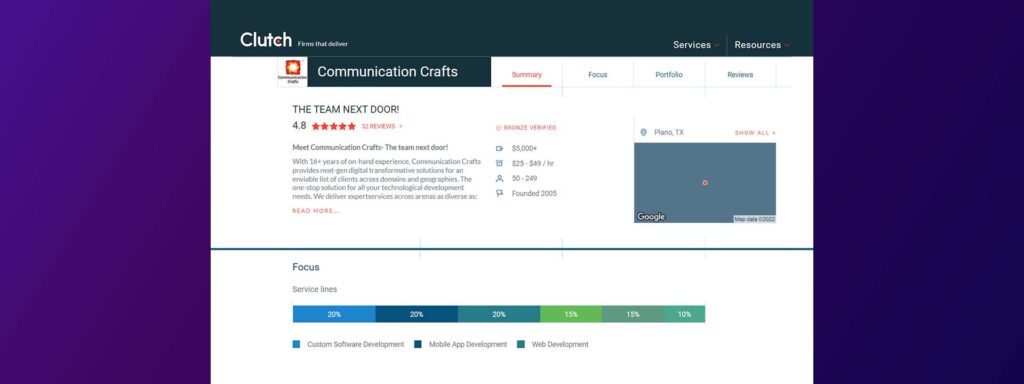
The clutch is a platform that provides comprehensive details about different agencies along with a rating system. It showcases their service focus, client focus, portfolio, client reviews, size of the workforce, minimum project size, average hourly rate and so on.
Hiring in-house developers can be beneficial as the new employees become a part of your existing team, but it requires a time-consuming screening, interviewing, and selection process.
Hiring freelancers work best for short-term projects with budget constraints, but it is not ideal for long-term projects that include app maintenance and support.
Outsourcing to a full-service app development company may be the best option for building and sustaining a high-quality mobile app. Along with rich experience and heavy expertise, an app development agency is best suited for time-sensitive projects and long-term partnerships.
5. UI/UX design process
Apart from the features and basic functionalities, the user experience is defined by the UI design of your mobile app. Users always gravitate towards attractive interfaces and seamless navigation.
The main function of the mobile app’s user interface is to deliver impeccable user experiences to the audience.
Even with top-class functionalities, your app may fail to achieve the desired results if your audience finds it difficult to use. Delivering user-friendly, engaging, and intuitive user experiences is what makes a mobile app effective and efficient.
This step includes:
App architecture planning
Style sheet
Wireframes
Mockups
Prototype
6. App development process
After completing thorough research, careful planning, and meticulous designing of your mobile app, it is time for the actual mobile app development phase.
Backend/Server-side Operations: Maximise the efficiency of your mobile app by building a robust backend with high-quality security, storage, and interlinking of data.
Technologies used for backend development:
PHP
Ruby on Rails
NodeJS
AngularJS
ReactJS
.NET
GOLang
Application Programming Interface: API determines the interactivity of the software components in the mobile app. Along with effortless accessibility and sharing of the app’s data, API lets the app access the data of other apps as well, making it a significant mobile app tool.
Frontend/Client-side Operations: Frontend or client-side of the mobile app is the interface that your end-users use and interact with. You can effortlessly captivate your audience and retain customers by delivering a seamless user experience through your mobile app front end.
Technologies used for frontend development:
iOS app development technologies: Swift, Objective-C, and Xcode.
Android app development technologies: Kotlin, Java, and Android Studio.
Cross-Platform app development technologies: React Native, Flutter, Cordova, Ionic, Xamarin, etc.
7. Post-development process
The post-development process comprises 3 phases.
The first part of the post-development process includes rigorous testing. This phase ensures that the app performs perfectly after deployment.
The main types of app testing include:
User experience testing
Functional testing
Performance testing
Security testing
Certification testing
The second part is the deployment. You have to create a developer account with app platforms like Google Play Store for Android apps and Apple App Store for iOS apps to release or launch a native mobile app.
The following information/data is required for submitting the mobile app:
App title
App description
Keywords
Type/category
Icon/thumbnail
App Screenshots
Last but not least, the third part involves continuous support and maintenance. After deployment, you need to observe the crucial metrics for monitoring your mobile app’s overall performance, engagement, and success.
Pay attention to feedback and solve problems along with continuous improvements.
Stay up-to-date with the latest technological trends and advancements to provide new patches and updates according to the market’s needs and requirements.
These were the 7 steps to convert a website into an app, and we hope it’ll help you make smart decisions for your digital presence.
Final Thoughts It is natural for businesses to consider a switch from websites to mobile apps in the ever-growing digital competition.
In this blog, we highlighted the benefits and the 7 steps required to convert a website into an app. From high accessibility to offline functionalities, every perk unlocked by the presence of a mobile app is noteworthy.
Make sure that you consider every step of how to convert a website into an app meticulously to achieve the desired results with a successful mobile app launch.
If you require further assistance or need answers to any queries, feel free to contact us.
Our expert dedicated developers let you get involved in the project with a completely transparent development process to deliver cost-effective and customer-centric web applications.
Looking for app developers to build impactful and intuitive mobile applications?
The digital era is changing drastically, forcing businesses to look for other ways to hire app developers. Business owners are looking for fast and safe ways how to hire an app developer.
The global market revenue of outsourcing mobile app development has already reached $90 billion in 2020, and for good reason.
Evolving technologies have made it easy for businesses to connect with app development agencies around the globe, but that doesn’t mean that every agency will fit your needs like a glove.
And that’s why the experts at Communication Crafts have encapsulated the 7 effective steps on how to hire an app developer.
Do you have any questions on how to find the top app developers? Read this 7-step guide to get all the answers.
Let’s begin.
7 Easy Steps on “How to Hire an App Developer”
Step 1: Define your Mobile App Development Goals
Start your app development journey with heavy research. Carefully plan out your objectives for the mobile application. Ask yourself the following questions:
What type of app does my business need?
Does my app have a paid subscription model?
Is it completely free?
Does it include in-app purchases?
Does it have an initial purchasing cost?
What are the main features of my mobile app?
How does my app solve my consumers’ pain points?
Answering these questions will help you reach a conclusion about your mobile application. This is an important step before starting the hunt for how to hire an app developer.
You need to be very specific regarding the mobile app’s concept, UI design, features and functionalities. Discuss these main objectives with the app developers or technology partners and let them know what you aim to accomplish with the mobile application.
After researching the app development goals, define the type of app you need with pinpoint accuracy.
Do you need an in-house app to increase business efficiency?
Do you need an app to directly sell your products?
Do you need an app to run logistics?
Do you need an app to connect with your audience?
Understand what type of app will ameliorate the challenges of your business and your consumers. Also, consider where do you want to launch your app, iOS or Android or both, and then decide the app development platform you’d prefer for your project.
With a blurry vision of what you want, the process of hiring and finding the top app developers and the app development process gets more cumbersome than it needs to be.
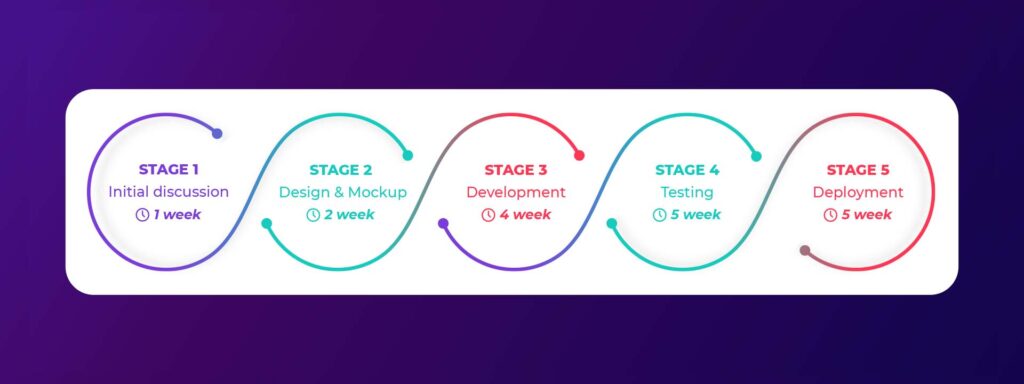
Consider how quickly do you want your app to be ready, and plan your progress accordingly. The average time taken for an app development process is as follows: Image source: Intelivita
Choose the timeline you’re comfortable with and then move to the next step in the journey of “how to hire an app developer”
Budget is one of the most critical things to consider when considering how to hire an app developer. After you’ve decided the requirements and platforms for your mobile app, then consider what type of hiring fits your pre-determined budget.
There are 4 options you can choose from:
Outsourcing: Cost-effective option for long-lasting technology partnership.
Freelancers: Pocket-friendly option for short-term projects;
Hiring In-House: Salary-based option to integrate with your existing IT team;
Off-The-Shelf Software: SaaS-based software offering next to no flexibility;
Choose an option that fits your budget and gives you the flexibility to develop an app that fulfills your requirements and satisfies your end-users. Without careful budget planning, you may exceed your budget limits or end up with a subpar mobile app.
Step 4: Begin the Hunt for App Developers
If you’re confused about how to hire an app developer or where to find an app developer,
Then you’re at the right place!
Here’s a list of platforms you might need when you search for app developers:
In-house hiring
Freelancers
Outsourcing
Glassdoor
Youteam
Clutch
Indeed
Upwork
GoodFirms
LinkedIn
Toptal
99Firms
Dice
Fiverr
ITFirms
Based on your app development objectives and estimated budget, choose the best-suited hiring model. Follow this step with heavy research on the different platforms mentioned above.
Look for job applications on Glassdoor or LinkedIn for inhouse-hiring, research freelancers on Upwork or Toptal and use Clutch to shortlist the best software development agencies around the world.
The clutch is a platform that provides comprehensive details about different agencies along with a rating system. It showcases their service focus, client focus, portfolio, client reviews, size of the workforce, minimum project size, average hourly rate and so on.
Step 5: The Selection Process
You have determined your goals, requirements, and type of hiring for your mobile app development, it is time for the most significant step of how to hire an app developer.
The selection process requires extensive screening and vetting. Here’s a list of considerations for a smooth selection process:
Conduct thorough research and shortlist the app development companies that reflect your needs and goals;
Examine the company portfolio to gain insight into their experience and expertise;
Pay close attention to their experience with similar types of projects;
Make sure the company exhibits seamless communication along with a transparent development process;
Make sure the agencies have creative app design experts for UI/UX design;
Make sure the shortlisted agencies have access to the latest software development technologies, and their expertise in using them;
Examine case studies and client reviews to get a better understanding of the agencies’ previous projects;
Ensure that the agency provides utmost confidentiality with NDA agreements;
Look for end-to-end solutions- design to deployment;
Look for global standards like ISO certification.
Step 6: Contact the App Development Agencies
After thoroughly evaluating the shortlisted companies, narrow your search and contact the remaining app development agencies.
Inquire about the technologies, UI/UX design skills, payment models, work culture, and so on. This will help you reach a decision in the journey of how to hire an app developer.
Convey your vision for the mobile app and pay close attention to the value they can add to it, allowing you to understand if you’ll get your money’s worth. Don’t limit the conversation with the account manager, directly connect with the developers that will work on your project.
An app development agency with high standards will give you the choice to hire an individual developer or a dedicated team of developers. Choose the option that best suits your project demands.
Ensure that the experience, expertise and skill set of the company aligns with your app development needs, and move on to the final step.
Step 7: Hire the App Development Agency
This is the final step of how to hire an app developer. If you’re confident that the selected agency ticks all the boxes required for successful app development, then start initial discussions regarding terms and conditions.
Select hiring models, payment models and sign the required documents.
Congrats! You’re ready to begin your mobile app development journey.
Now let’s see why more and more businesses are opting for outsourcing mobile app development:
Benefits of Outsourcing Mobile App Development:
Eliminate the risky and time-consuming hiring process in the post-pandemic era;
Find the perfect match for your app development needs and objectives;
Address evolving business challenges with future-proof app development solutions;
Leap into the future with the latest technologies and platforms for app development;
Reputed app development agencies will never fail to meet deadlines;
Streamlined and transparent app development process.
Communication Crafts as your Full-Services Mobile App Development Agency
Communication Crafts is a trusted mobile app development agency with 17+ years of hands-on experience. We utilise a potent blend of technology and innovation to provide end-to-end app development solutions under one roof. We leverage cutting-edge technologies for high-quality app development solutions that span many industries like banking & finance, food & drink, eCommerce, health & fitness, entertainment, photography, logistics, eLearning and more.
Our app development services help you captivate your current audience, reach out to potential consumers, maximise organic traffic and boost conversion rates.
The banking and finance industry has transformed over the years. Like every other business, the banking industry also went through the digital revolution. Digitization of data and business operations have changed the way everything works.
Gone are the days of standing in long queues to get an account opened or a cheque deposit. Customers expect seamless and efficient online experiences through finance apps or websites.
ASP.NET Core is a popular web framework that provides developers with the necessary tools and features to build scalable and secure web applications, making it the perfect fit for developing banking and financial applications.
Let’s look at some data to understand the significance of finance apps:
According to Google, 73% of smartphone users conducted their financial activities through an app.
90% of customers view their bank account balance through a banking app.
89% of consumers use the finance mobile app for different banking purposes.
You can grow by 15% of revenue by delivering personalized experiences through banking apps.
Why ASP.NET Core is the perfect fit for banking and financial applications?
Cross-platform support
Security features
Performance optimization
Scalability options
Developer productivity tools
Let’s understand why ASP.NET Core is an ideal choice for banking and financial application in detail:
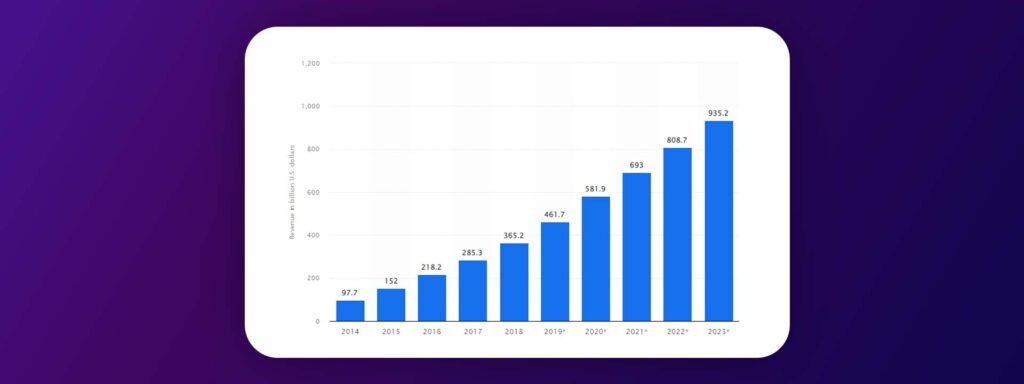
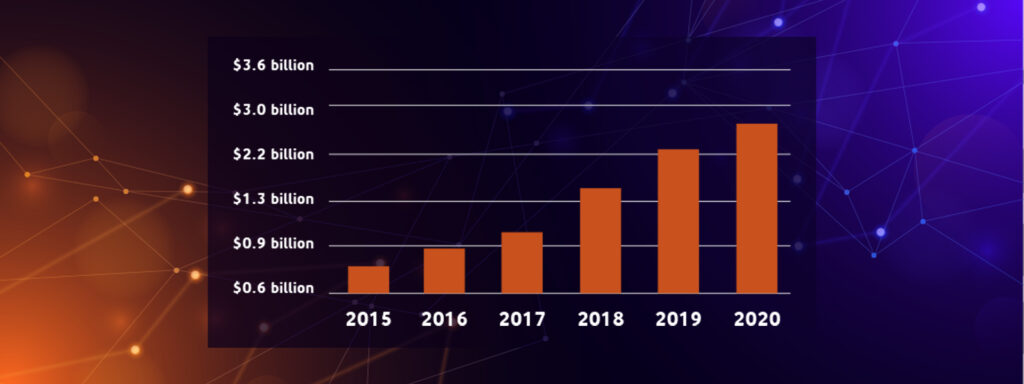
Growth of mobile banking app revenue over the years:
Now that we’ve established the importance of fintech applications, let’s discuss the most trusted technology used for finance app development – ASP Net Core
A Dot Net Development Company is ideal for building high-functioning and secure web applications for executing banking operations. Consumers are demanding user-centric online experiences, and ASP Net Core can deliver that precisely.
In this article, we’ll why ASP Net Core is a perfect fit for financial app development.
What is ASP Net Core?
ASP NET Core is an open-sourced and free-to-use web development platform, specifically used for developing futuristic and high-functioning web applications, which is ideal for the banking industry. This framework allows efficient development of compilers, APIs, runtime modules, etc.
Released in 2016 and developed by Microsoft, ASP NET Core became the first choice for many developers because it is simple to use and offers high-end versatile features in the development process.
ASP NET Core development is one of the most prevalent web development options around the globe for building modern web and sophisticated web applications.
A few distinct features of ASP Net Core:
Open-sourced nature
Cross-platform functionality
Supports container technology
Robust security from CSRF (Cross-Site Request Forgery) attacks
Cloud integrations for finance app development
When it comes to banking app development, it is important to pay close attention to every aspect of the web application including privacy, data security, flexibility, speed, and so on.
The nature and architecture of ASP Net Core provide a comfortable way of finance app development, delivering enhanced online banking experiences to the end-users.
Looking for robust financial app development? Check out the benefits of ASP Net Core for the Banking and Financial Industry.
Why Choose ASP Net Core for Finance App Development?
The major benefits of ASP Net Core can be found in its framework. The banking industry can benefit from ASP Net Core in the following ways:
Supports Major Containers & Cross-Platform Development
High-End Performance
Enhanced Security
Supports Cloud-Based Applications
API Integrations
Excellent Communication Push Notifications
1. Supports Major Containers & Cross-Platform Development
ASP Net Core is preferred for banking app development because it can be used to develop web apps across multiple platforms- Windows, Linux, and macOS.
With cross-platform functionality, ASP Net Core also allows containerization, a significant feature for many industries. This finance app development platform allows the use of technologies like Docker and Kubernetes.
The ability to function across different platforms and provide support for containers makes ASP Net Core the best fit for finance app development.
2. High-End Performance
The digital era demands more and more efficiency and speed. Loading speed makes or breaks a web application.
Decent speed retains customers but delayed responses spike up your application’s bounce rate.
Banking-related functions like online purchases, bill payments, funds transfers, and more are expected to be seamless and rapid. Nothing short of perfection can execute the plethora of services provided by a banking app.
ASP Net Core lets you build high-functioning and high-performing finance applications with seamless navigation and a bug-free experience. The ASP framework optimizes after code compilation to enhance performance, making it one of the most rapidly functioning frameworks.
3. Enhanced Security
There’s no doubt that security is of utmost importance when it comes to financing app development. This industry involves personal information and sensitive data like passwords, bank details, and transaction details, making it one of the prime targets for cyberattacks.
CSRF (Cross-Site Request Forgery) is the most frequent type of cyber threat faced by the banking industry. When a website’s security is weak, hackers can send requests to modify user data and access their finances. That’s why security should be airtight when it comes to financing app development.
ASP Net Core effectively prevents CSRF attacks. It has request verification tokens, one is used as a cookie and the other is hidden to combat security breaches. This process optimizes the web application’s security and privacy.
4. Supports Cloud-Based Applications
Many industries have been moving towards cloud-based web applications over the years. Cloud integration provides high flexibility, safety, and accessibility to data. For banking companies with endless data and digital information, a cloud-based architecture works best.
ASP Net Core supports cloud-based web application development. Also, this opens the possibilities for integrating modern technologies like AI and IoT to deliver enhanced online banking experiences.
5. API Integrations
API integration is a significant consideration for finance app development. ASP Net Core has an MVC (Model-View-Controller) architecture, which is quite preferred by developers around the globe.
The MVC structure of the framework lets you execute web API integration, allowing better testing of web applications. This feature enhances the all-around efficiency of the web application, making it one of the best choices for finance app development.
6. Excellent Communication Push Notifications
Financial and banking web applications are not just for transactions and fund transfers, they also facilitate communication between the users and the bank. Important announcements and information should be seamlessly conveyed through mobile notifications.
Information like branch timings, bill payment deadlines, or app maintenance should also be updated for the end-users.
ASP Net Core utilizes a library that is perfect for server and client-side operations. This framework leverages SignalR Java technology to enhance push notification efficiency.
Banking companies get huge benefits by using ASP Net Core as they can easily send push notifications to their users for communicating critical information, which is appreciated on the client side as well.
These were the top 6 perks of the ASP Net Core framework for banking app development.
Final Thoughts
The banking and financial industry needs to structure its web application very meticulously. From low performance to data breaches, banking apps need to have a robust core to perform efficiently and securely for their users.
ASP Net Core solves most of these issues with a framework that suits best finance app development.
We hope this blog has helped you in understanding the importance of ASP Net Core for banking application development.
Looking for a high-performing and robust banking app? Feel free to contact us!
With 17+ years of hands-on experience and a wide range of clientele, Communication Crafts provides expert .NET developers, delivering high-performing web applications with utmost usability and security.
Building a secure present, for a fruitful future!
From design to deployment, get end-to-end app development services.
With the increasing demands of online consumerism, new and improved eCommerce development platforms are constantly emerging.
The eCommerce market was increasing since the beginning of the digital era. The outbreak of covid-19 has motivated businesses to invest in online stores, resulting in a jaw-dropping rise of the global eCommerce market. Image Source: Smartinsights
Presently, two of the most trusted and leading eCommerce development platforms are Shopify and WooCommerce.
Business owners need to gain a much deeper understanding of WooCommerce and Shopify to meet their desired eCommerce development goals.
In this blog, we’ll go over a detailed comparison between two of the best eCommerce development platforms, Shopify VS WooCommerce, and help you make the best decisions for your eCommerce business.
Let’s begin…
WooCommerce VS Shopify Definitions
Let’s start with a simple explanation to answer the questions “What is WooCommerce?” and “What is Shopify?”
What is WooCommerce?
WooCommerce is an open-source and free eCommerce development platform. It is a prominent plug-in from WordPress which is specifically used for developing eCommerce websites or feature-rich online shops.
Initially released in 2003 by Matt Mullenweg and Mike Little, WooCommerce is written in PHP programming languages along with MySQL and MariaDB databases. Its main features comprise plugin architecture and different themes, which acts as a template system for your online WooCommerce shop.
What is Shopify?
Shopify is a closed-source hosted eCommerce development platform that lets you build full-fledged online stores without any technical expertise, handling every aspect of a website like domain, security, hosting, etc.
Founded in 2006 by Scott Lake and Tobias Lutke, Shopify charges a monthly fee to facilitate eCommerce businesses with a plethora of features helpful for eCommerce beginners and experts alike.
All you need to do is purchase the Shopify package to start your own online retail business.
Here’s an insightful video highlighting the differences between Shopify and WooCommerce by “Tooltester”
https://youtu.be/Lu5V_aPMC9Y
WooCommerce VS Shopify Market Share
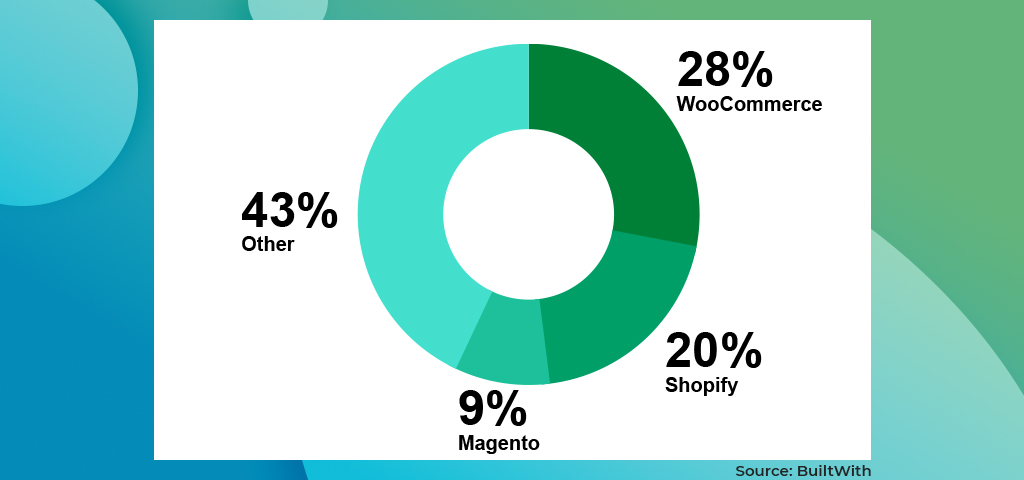
BuiltWith data for Shopify VS WooCommerce in terms of usage:
eCommerce websites usage distribution in the top 1 million websites:
Out of the 307k top 1million websites, 28% is powered by WooCommerce and 20% by Shopify.
This data represented by BuiltWith gives us a clear picture of the market share comparison between Shopify VS WooCommerce, the top 2 eCommerce development platforms. WooCommerce leads the overall market share race, however, it is followed by Shopify very closely.
When it comes to eCommerce development, it is abundantly clear that WooCommerce and Shopify are the first options for web designers and web developers around the globe.
Now that we have established the significance of Shopify VS WooCommerce, let’s compare and contrast their main aspects.
WooCommerce VS Shopify Pricing
WooCommerce Pricing:
WooCommerce is the best option for small and growing businesses as it has no initial downloading fee. WooCommerce is a completely free and open-source eCommerce development platform.
The open-sourced nature offers WooCommerce developers with maximum freedom and flexibility to customize the codebase however they want. This feature unlocks the door to a large community of developers to contribute and discuss eCommerce website scaling and management.
Although WooCommerce is free of cost, it still requires payment for a domain name and hosting. Additionally, more payments are required to unlock different themes, plug-ins, and extensions while using WooCommerce.
Shopify Pricing:
Shopify offers complete solutions with month-based or annual package deals, eliminating the extra payments for hosting and domain names. These packages are a one-stop shop for building full-fledged eCommerce stores.
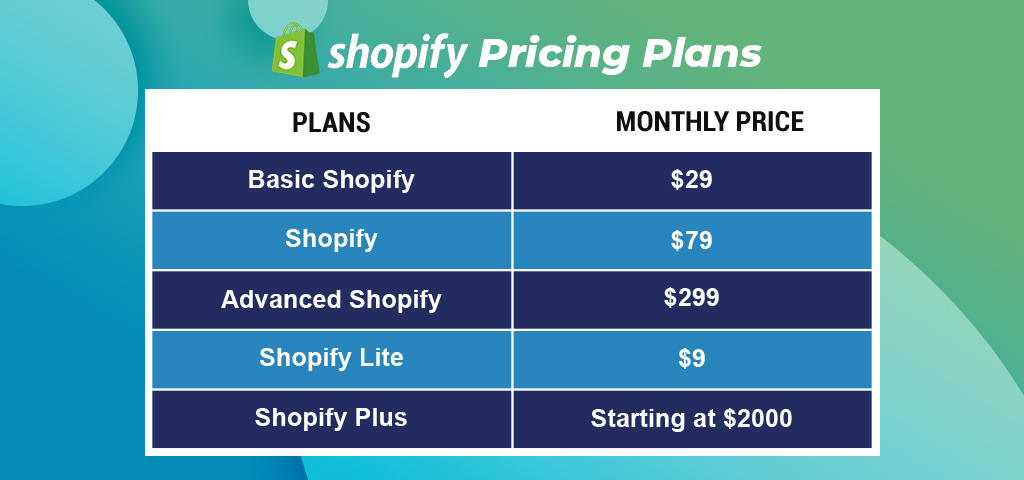
Here’s the payment structure for Shopify:
Basic Shopify is ideal for starting businesses with a monthly charge of $29;
Shopify Lite is the cheapest option at the price of just $7 per month with limited scalability;
Shopify monthly plan worth $79 is best for growing businesses;
With a cost of $299 per month, Advanced Shopify unlocks more features and functionalities for mid-sized to enterprise-grade eCommerce businesses;
Shopify Plus is a high-end option for large-scale and enterprise-grade eCommerce businesses. This monthly plan of $2000 provides many additional features like automation tools (Shopify flow), multiple payment options for various currencies, high-level security features, a dashboard for store management, analytics and more.
WooCommerce seems like the cheaper option between Shopify VS WooCommerce pricing. Nevertheless, operating and maintaining a full-fledged WooCommerce website costs almost the same as Shopify.
WooCommerce VS Shopify Ease of Use
WooCommerce Ease of Use:
You need to manage some things individually while using WooCommerce. Installation, updates, backups, hosting, security, and maintenance needs to be handled on the users’ end because WooCommerce is not a hosted platform.
5 easy steps for setting up an online WooCommerce shop:
Purchase a Domain Name
Get a Hosting Account
Install WordPress
Select and install a theme
Install WooCommerce plug-in
After activating WooCommerce, you need to complete a few additional steps on your on-screen setup wizard to start running your eCommerce store.
Shopify Ease of Use:
The in-built and almost all-inclusive online store is one of the main benefits of Shopify. Setting up and managing online stores on Shopify is extremely easy due to its seamless and efficient user interface.
Setting up with Shopify is as easy as one-to-three.
Sign up on Shopify.com,
Follow the set-up instructions,
Start running your eCommerce store.
Shopify exhibits maximum usability as it requires no coding or technical expertise.
In terms of usability, Shopify wins the round. WooCommerce caters to skilled web developers, while Shopify is designed for everyone.
WooCommerce VS Shopify Design, Themes & Templates
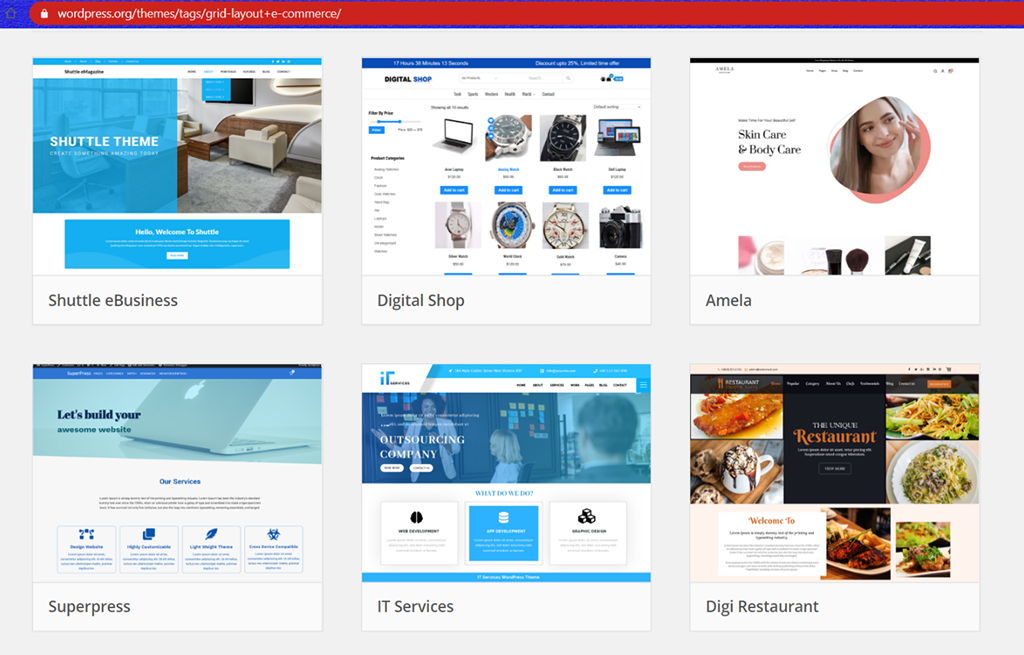
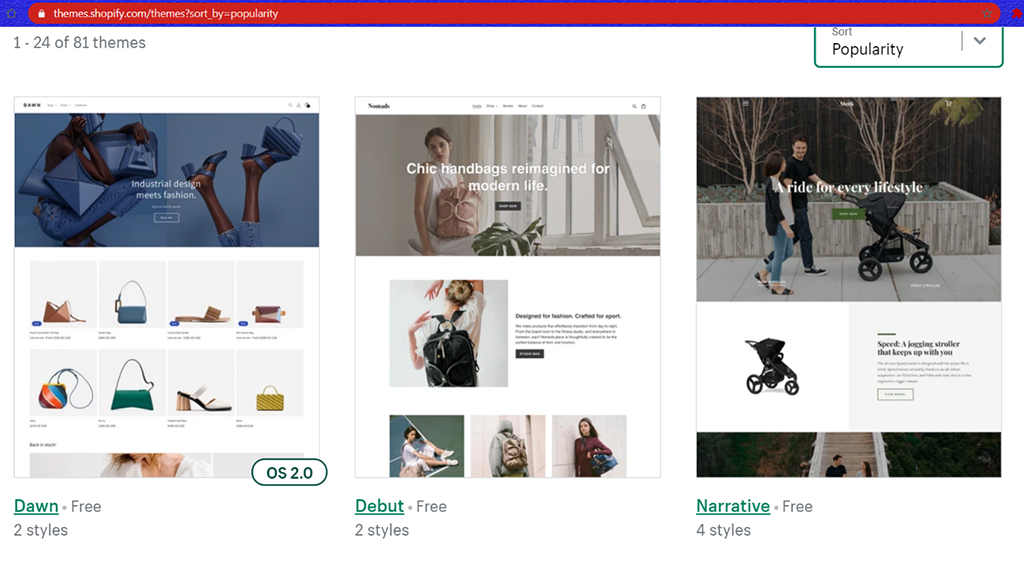
WooCommerce has a plethora of themes and designs to choose from, as attractive and appealing templates for all industry types. The designs are completely customizable as it is open-sourced, giving you the flexibility to modify and edit the default templates and designs.
WooCommerce Themes example:
Shopify has lesser options when compared to WooCommerce, yet it offers many variations of enticing and user-friendly themes. Shopify themes can also be modified like WooCommerce with a theme editor addon.
Shopify Themes example:
WooCommerce VS Shopify Inventory Management
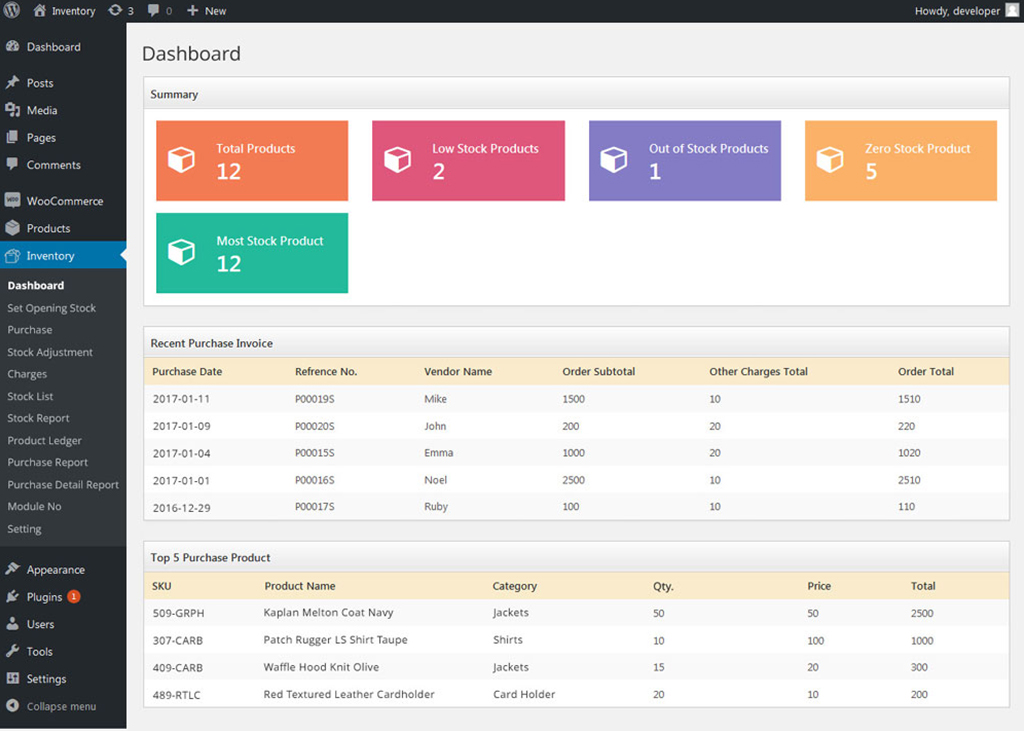
WooCommerce offers a lot of freedom in inventory management as well. Users can build inventory reports and edit the product descriptions and attributes. Third-party apps can also be inserted for optimum results.
The opportunities and variations available in WooCommerce inventory is truly limitless.
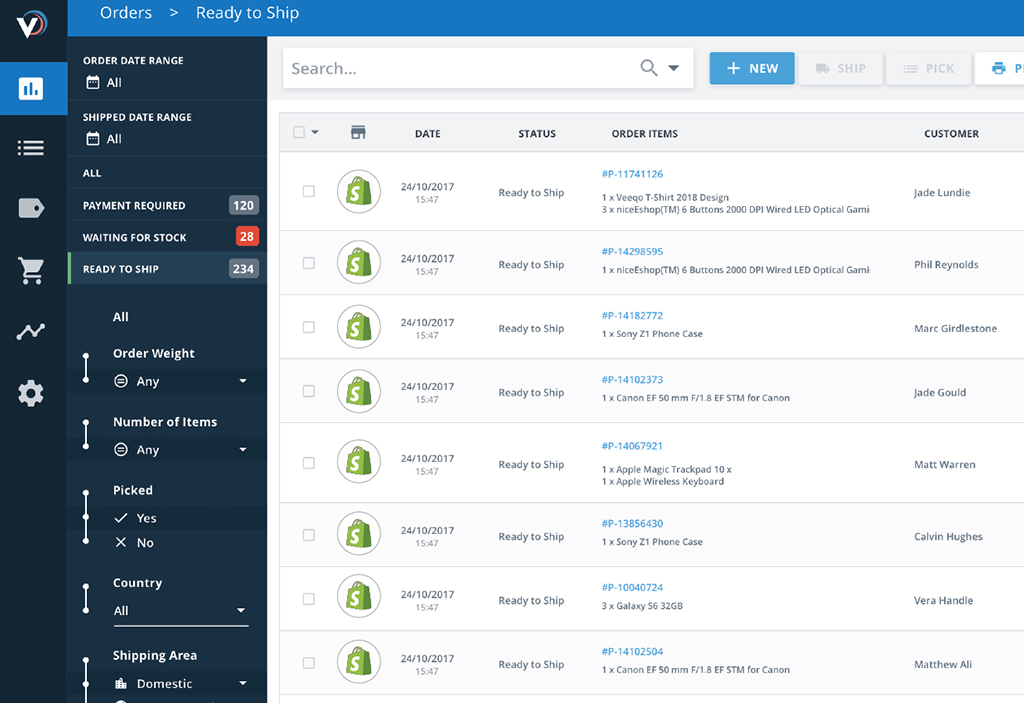
Inventory management of Shopify is quite similar to WooCommerce, providing complete control to the users over the management and tracking of products. Shopify inventory management allows you to track inventory, revenue reports, get re-stocking alerts, purchase order automation and more. You can also add item information, orders, customer data, and other information regarding your business. Many third-party inventory apps can also be used with Shopify to run day-to-day business operations with ease.
WooCommerce VS Shopify SEO
Shopify VS WooCommerce SEO or Search Engine Optimization ability is a significant aspect for eCommerce businesses. SEO-centric features help your website rank higher on SERPs like Google, which boosts online visibility and brand awareness.
Let’s examine Shopify VS WooCommerce SEO: SEO is a core advantage for WooCommerce. You can apply the WooCommerce editor to edit and optimize website content, URLs, redirections, meta descriptions, meta tags, and other website aspects to boost your digital store to a higher rank on SERPs (Search Engine Results Page).
WooCommerce also allows the use of various SEO plug-ins to optimize your online store, Yoast SEO is one of the most-used SEO plug-ins.
Contrarily, Shopify has limited resources for SEO purposes. It has a rigid URL structure, making it difficult for users to edit or optimize URLs. Additionally, it is not ideal for building sub-categories.
However, Shopify provides enough features to optimize content for eCommerce purposes, straightforward SEO apps are available for Shopify as well.
WooCommerce VS Shopify Apps, Plug-Ins & Extensions
Even all-inclusive eCommerce development platforms need additional apps, plug-ins and extensions to ameliorate the online retail experiences. For example, tools for generating leads, analytics, marketing, shipping, payments, etc.
Shopify VS WooCommerce, both platforms offer a collection of additional tools. Let’s discuss.
WooCommerce Tools:
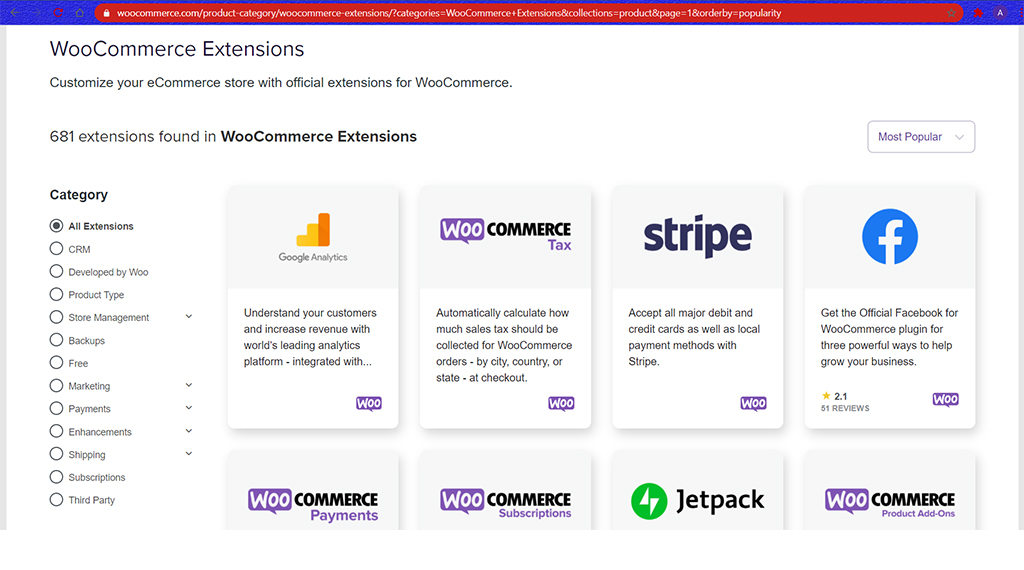
WooCommerce offers more than 50,000 plug-ins and 600 extensions to serve many categories. This feature helps you run your eCommerce store with ease, delivering outstanding user experiences at the same time.
Shopify Tools:
Shopify offers more than 2,400 apps and nearly 4,000 plug-ins in its in-built app store. From inventory management to shipping, there is a plug-in, app or extension to serve every purpose. This feature aids you in monitoring your eCommerce business’s growth and attract more traffic simultaneously.
WooCommerce VS Shopify DropShipping
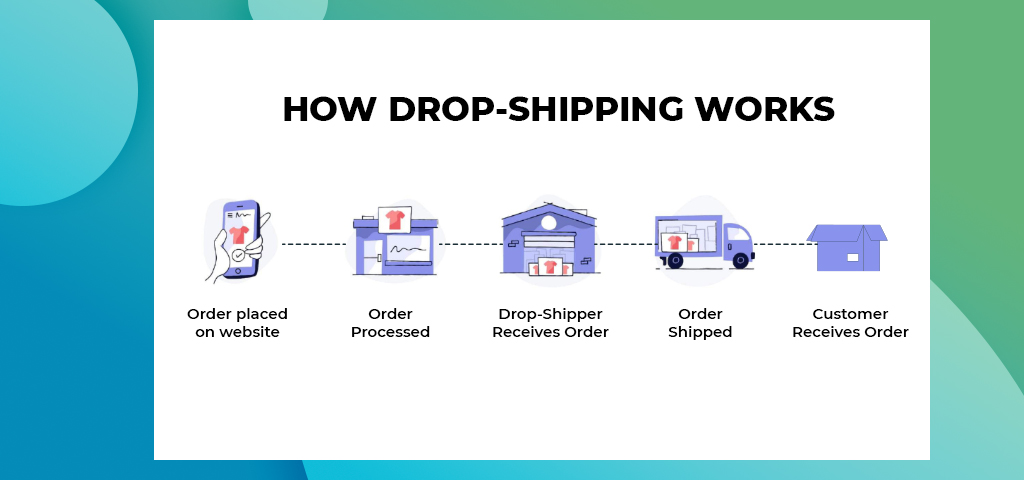
DropShipping is the process of ordering and buying items without the need of a seller with stocked goods. When a purchase is made by an online consumer, the online retailer recieves the product from a supplier and delivers it to the consumer. DropShipping is gaining popularity, making it a growing opportunity for the future.
That’s why WooCommerce VS Shopify dropshipping is another major aspect of comparison. Let’s discuss.
WooCommerce DropShipping:
WooCommerce is amazing for dropshipping companies. Drop shippers can apply different plug-ins that support product imports and fulfil orders from your eCommerce website. With more than 8k active installations, DropshipMe is an efficient solution for dropshipping through WooCommerce.
Shopify DropShipping:
Some apps can be easily integrated with Shopify for the most popular dropshipping markets. Whatever app (Yakkyofy or Printify) you choose for dropshipping through your Shopify online store, the perks of Shopify’s featureful environment cannot be overlooked.
Syncee is a B2b dropshipping application with a wide range of dropshipping features for online stores, and it can be applied with both WooCommerce and Shopify.
WooCommerce VS Shopify Security
An eCommerce business cannot operate without reliable security measures. Customer databases, product information, payment information, and other sensitive data must be stored securely. An eCommerce company can suffer a heavy blow to its brand loyalty and credibility with weak security measures.
Let’s see who wins the round of security between Shopify VS WooCommerce
WooCommerce Security:
The user is responsible for the security features while using WooCommerce. WooCommerce eCommerce development needs you to get website security plug-ins, SSL certificate, PCI compliant, 2-factor authentication and other security measures for a safe and reliable online retail experience. Also, the open-source nature of WooCommerce makes it all the more increases your website’s vulnerability.
Shopify Security:
Shopify is an all-in-one eCommerce store, providing enough updates and security features in-built. It comes with an SSL certificate and already operates on a PCI-compliant server, encrypting all of the transferred data between server and client and providing safe payment options.
Between Shopify VS WooCommerce for eCommerce, Shopify is a much more secure option for eCommerce website development with in-built security features.
Now that we have discussed the main difference between Shopify and WooCommerce, let’s examine further and discuss the pros and cons of Shopify VS WooCommerce.
WooCommerce VS Shopify Advantages
Benefits of WooCommerce
Free to use and download, making it amazing for new businesses and start-ups;
Open-source nature provides 100% customizations, letting the developers tweak the codebase with ease.
A collection of useful plug-ins and extensions for simplifying various tasks;
Mobile-friendly themes and designs are also available;
A flexible inventory management system;
SEO-centric plug-ins that let you optimise HTML links, meta tags, meta descriptions and other website content;
Multiple currency support and flexible payment gateways.
Benefits of Shopify
Appealing and mobile-friendly themes for a professional look;
In-built security features for the safety of customer data;
In-built App Store for a wide range of plug-ins and extensions;
Personalized Domain that lets you modify your domain site;
Useful analytics for tracking consumer behaviour, customer feedback, inventory, conversions and ROI;
Efficient Customer Service via phone calls, FAQs, emails and chats;
High Scalability to handle sudden surge in traffic and anticipate future plans.
WooCommerce VS Shopify Disadvantages
Drawbacks of WooCommerce
Lacks advanced features for even simpler online store management;
Incessant updates are continuous trouble for eCommerce businesses;
A steep learning curve as you need technical knowledge;
Using a lot of plug-ins can cause performance glitches;
inadequate security features.
Drawbacks of Shopify
A monthly or yearly fee to download and use Shopify;
Limited customizations due to closed source platform;
Difficult to modify website content for SEO purposes;
Poor Content Management System (CMS);
Product categories and filtering are subpar;
Final Thoughts
Shopify VS WooCommerce for eCommerce has been a long-standing debate between web developers and business owners.
It is impossible to announce a sure-shot winner between the two because WooCommerce and Shopify both have their distinct advantages and disadvantages. The final decision entirely depends on your eCommerce development needs.
WooCommerce is a more flexible eCommerce platform with high customization possibilities, while Shopify is an all-in-one eCommerce solution.
Our eCommerce development experts have studied and compared each significant aspect of Shopify VS WooCommerce, and we hope it helps you make better decisions for your eCommerce business.
If you need assistance with eCommerce development, feel free to contact us.
Communication Crafts is a trusted eCommerce development company for the past two decades. Our top-notch Shopify developers and WooCommerce developers analyze your eCommerce goals and target audience to deliver customer-centric and high revenue-generating online stores.
Building your present, for a fruitful future.
Looking for bespoke eCommerce development services?
Among the ever-increasing online clutter, businesses are looking for new and improved ways to interact with their users and customers.
Web applications have emerged as a hot trend for eCommerce and many other industries. Progressive web apps (PWA) have shown significantly better results than mobile apps and regular websites.
Business owners and web developers must know the features and benefits of the ASP DOT NET Core web framework for successful web application development.
ASP DOT NET Core is free to use and open-sourced web development platform, specifically used for building modernistic high functioning web applications. This framework allows smooth and seamless development of compilers, APIs, runtime modules, etc.
Developed by Microsoft and released in 2016, ASP DOT NET Core became one of the favourites for web application developers because it is simple to use and offers high-end versatile features in the development process.
ASP DOT NET Core development is one of the most prevalent web development options around the globe for building modern web and sophisticated web applications.
Why use ASP Net Core?
Running web apps on .NET Core and .NET Framework;
Progressive web applications with mobile compatibility and modern features like IoT integration;
Web applications that run across multiple platforms including Windows, Linux, and macOS;
Web applications with high scalability and versatile functionalities;
Web development with cloud-based installation.
These are the answers to “why use ASP Net Core?”
Before we get into the reasons to adopt ASP DOT NET Core, let’s discuss its popularity.
The Popularity of ASP Net Core
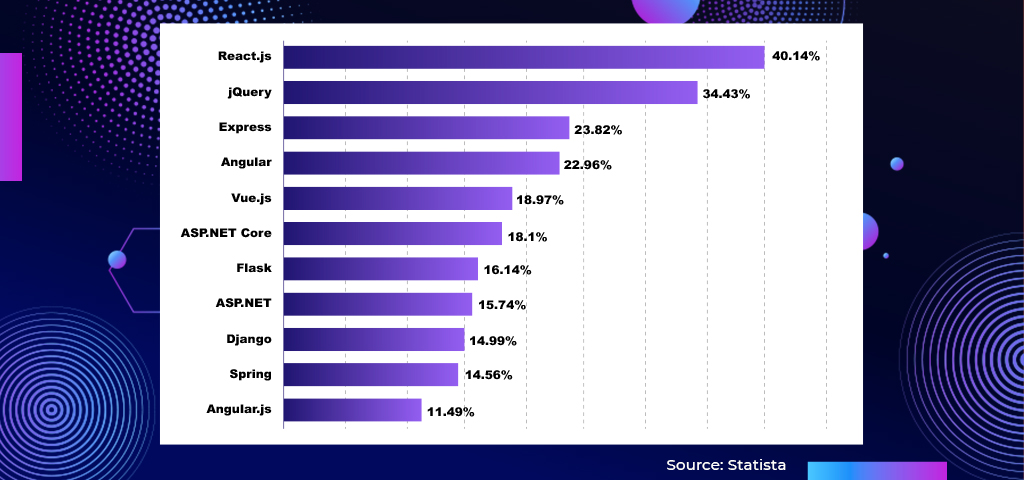
ASP DOT NET Core is widely used among developers all over the world. It is most favoured for building dynamic web applications. Here’s a ranking of the most used web frameworks by developers in 2021:
ASP NET Core Framework ranks 6th among other most used web frameworks globally, making it one of the most appealing frameworks for developing web applications
According to Trends BuiltWith, 108k live websites are powered by ASP DOT NET Core currently.
ASP NET Core Framework is also a well-matured platform with 26.4k stars and 7.1k forks on GitHub.
Now that we have established the popularity of ASP NET Core framework, let’s discuss its major features and benefits.
Why Adopt ASP DOT NET Core?
Here are the top reasons why ASP DOT NET Core is chosen time and again for developing web applications for small to enterprise-grade businesses.
1. Simplicity
No framework is worth the effort if the coding process is too arduous or time-consuming, but that’s not the case with ASP DOT NET Core web development.
The ASP NET Core framework lets you develop a web application with minimal lines of code, making it efficient for developers to add the required functionalities as well as spot mistakes with ease. Also, fewer lines of code make it much simpler to manage the codebase.
Key features like request submission, setup, customer authentication and more are completely seamless and uncomplicated. Moreover, the MVC architecture makes the web application much more customizable and the codebase is easier to write, modify and debug.
2. Open-Sourced Nature
ASP DOT NET Core Framework is open-sourced by nature, which makes it all the more attractive to developers as they can freely collaborate with others during the development process.
A wide range of tools and libraries are available on GitHub for a smooth and seamless experience while developing web applications with DOT NET Core Framework. A strong and ever-growing community supports ASP DOT NET Core web development with regular bug fixes and updates. This proves the maturity of this web development platform, which is a significant factor to consider when choosing the perfect platform for developing web applications.
Additionally, this feature also saves valuable time during the development process as the developers can get help from community support along with the tools and libraries on GitHub.
3. Cross-Platform Functionalities
One of the most significant characteristics of ASP DOT NET Core web development is cross-platform functionality. With ASP.NET, you can build web applications for various operating systems including Windows, Linux, and macOS.
This feature provides developers with unhindered versatility with an option to build a single codebase for multiple operating systems, saving valuable time in the web development process.
From the client’s perspective, business owners can unlock maximum exposure by making their web applications accessible via multiple platforms.
4. High Performance
The capacity to deliver high performance is a very noteworthy consideration for adopting a successful web development platform.
The ASP NET Core Framework keeps performance at its foreground, making sure the web applications deliver optimum performance after deployment.
Along with other important features, this framework enhances the codebase on its own during code compilation, making it one of the best platforms for developing top-grade web applications.
Along with libraries and external tools, developers can develop a maintainable and efficient code base with optimum performance. Additionally, regular updates and new releases added more reliable and efficient features like space and database management that allows the development of mobile applications, cloud-based integrations and IoT.
This modular framework built by Microsoft is specifically developed to create an all-round solution for developers and all types of industries.
5. Razor Pages
Razor Pages is a new feature added to the ASP NET latest framework. This feature introduces an efficient coding architecture that is page-focused and easy to maintain, allowing developers to maximize efficiency in a web application by programming the codebase in a page-focused development environment.
ASP NET Core framework simplifies the development process with the Razor Pages architecture by providing a way to develop each web page of a web application separately and uniquely. Developers can create high-functioning and highly dynamic user interface for every web page.
Along with the above-mentioned benefits of Razor Pages, the unique web pages can be easily organized and managed together efficiently. This feature makes ASP DOT NET Core web development one of the best options for building stable and scalable web applications with dynamic user interfaces and optimum performance.
6. Wide Range of Programming Features and Developer Tools
The ASP DOT NET ecosystem has upgraded a lot, introducing new and improved programming features for the ASP NET Core Framework.
A few additional features:
Cross-platform development architecture
Garbage collection
Package management
Memory management automation
Language independence
Development of web applications with MVC architecture and RESTful APIs with ease
Multilingual support
Asynchronous programming
These features help asp dot net developers to build modern and high-performing web applications easily, efficiently and rapidly.
The ASP NET Core framework also offers a wide range of developer tools like Jetbrains, Resharper, SQL Multiscript, etc. that further simplify the development process.
The best part is that it can be used with Microsoft Visual Studio, which opens the path to top-notch ASP DOT NET Core web development. This provides high-end features like debugging, unit testing, profiling, GIT integration, code completion, etc.
7. Flexible Deployment
The flexibility and simplicity of web app deployment offered by ASP DOT NET Core web development make it one of the most reliable options.
There are two types of web app deployment in ASP DOT NET:
Self-contained deployment: Shared components don’t alter the deployment process in this type. The .NET Core runtime elements and .NET libraries are separate from the .NET Core applications.
Framework-dependent deployment: This type of web app deployment relies on shared components. Only the developed web app and 3rd party dependencies can be executed, saving host system memory.
Final Thoughts
With top-notch efficiency and high scalability, it’s not a surprise that ASP DOT NET Core is one of the best web development platforms.
Unique features like Razor Pages and Microsoft Visual Studio make it distinct from other web development frameworks. Other benefits like its open-sourced nature, cross-platform accessibility and usability make it the favorite web development platform for developers around the globe.
ASP NET Core framework can be used to deliver high-performing web applications with unique and dynamic user interfaces.
Are you looking for top-tier ASP DOT NET Core developers? Get in touch!
With 16+ years of hands-on experience and a wide range of clientele, Communication Crafts provides expert Asp .NET developers, delivering top-notch web applications that can easily meet your requirements and exceed your expectations.
Building your present, for a fruitful future.
From design to deployment, get end-to-end web development services.
The digital era has made a huge impact on businesses from every industry. A website or a mobile app is now a necessity, not a choice. Apart from social media marketing and promotional content, your brand’s online presence depends on the quality of your website and mobile app.
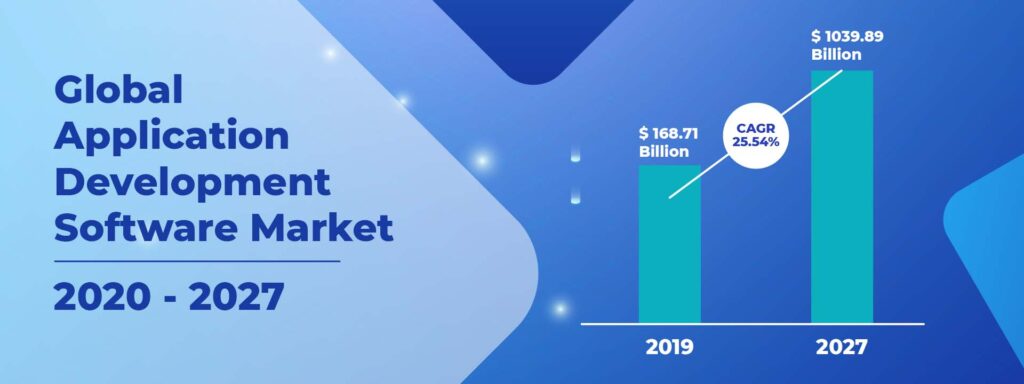
According to studies, the global software development industry is expected to surpass a colossal figure of $1000 billion by 2027.
As the need for software development soars through the sky, the demand for technology partners is also at an all-time high.
We understand that choosing a long-term technology solution provider is a daunting task, and that’s why our experts have created this article to help you through the journey.
Let’s begin by understanding what is a technology partnership.
Technology partnership is the process where an organization or company decides to hire an external IT development agency to plan and execute software development projects, instead of an in-house development team.
A third-party software development agency handles entire software development projects with seamless communication to successfully meet your technology partnership goals.
It is a simple long-term “give and take” relationship between you and an IT development company.
Technology partnerships exist to aid brands and businesses in optimizing their software systems. These partnerships occur between software development agencies that deliver digital products and the clients who use these pieces of software in their daily business operations.
What are the Top 10 Considerations for Choosing a Business Technology Partner?
There are many things to analyse and examine before finalising your technology partner. To save you the trouble, here’s a list of things to consider before choosing your technology solution provider:
1. Skills & Expertise
The first things to consider when choosing a business technology partner are the capabilities of the technology solution provider. Carefully analyse the case studies and portfolio on the company’s website for a deeper insight into their past clients and projects.
Look for expertise in technologies like UI design, app development, website development, automation, machine learning, etc. to align with your software development requirements for reaching optimum results. Also, pay close attention to different facets like team integration, timely deliveries, seamless communication and so on.
If the features and skills match your technology needs and preferences, then you can form a secure technology alliance with the company.
2. Diverse Portfolio
The business technology partner that you choose should have a diverse portfolio, proving hands-on experience with multiple industries. First of all, a diverse portfolio proves the technology partner’s expertise in handling a varied collection of projects.
Secondly, your software development needs are bound to change from time to time as a growing business. A software development agency with diverse skills and experience can easily align with your ever-changing needs for a successful long-term technology partnership.
3. Long-Term Partnership
Although SaaS-based business arrangements may be viable in some cases, a long-term deal is the best way to go when searching for a business technology partner.
With regular updates, maintenance, bug fixings and ongoing support, software development is not a one-time solution, but a continuous project. That’s why make sure that the responsive technology partner that you choose aligns with your long-term software development goals.
Scalability and flexibility are two important factors that you must consider while looking for a business technology partner. If you overlook this vital factor, your technology development requirements may outweigh the services of the technology partner. Align your long-term goals with the company’s capabilities for a healthy and long-lasting technology partnership.
4. UX-Design
When it comes to web development and app development, the user interface plays a significant role in increasing your brand’s outreach and retaining your existing audience.
An ideal business technology partner will provide highly skilled UX design experts for all your software development needs. They should be able to build seamless, easy-to-use and intuitive user interfaces that not only resonate well with your audience but elevate your brand’s online presence to a whole new level.
User-friendly experiences are pivotal for successful software development.
5. Security & Privacy
Security is one of the most important factors to consider in order to form a secure technology alliance. Cyber vulnerabilities like data leakage, broken authentication, cross-site scripting and so on are some of the biggest threats to the digital world.
Every industry’s online presence is vulnerable to cyberattacks, risking sensitive consumer data and jeopardizing businesses altogether. The ideal technology partner should have the latest technology and expertise to prevent such vulnerabilities with powerful and robust backend development, delivering secure online experiences for your consumers and an impenetrable digital infrastructure for your business.
Furthermore, make sure that the company’s safety features are compliant with the latest digital security standards.
The technology partner that you choose should also respect your business’s privacy. Non-disclosure agreements are encouraged to prevent piracy and intellectual theft.
6. Seamless Communication
Communication is key for a successful technology partnership.
24×7 access and rapid response are ideal for building a healthy and secure technology alliance. An ideal technology solution provider must value your time and communicate whenever you need it. Every software development project begins with communication where you convey your ideas and needs, this step must be treated with the utmost importance.
Additionally, a transparent software development process is extremely beneficial. As a client, you should always be in the loop. An ideal technology partner notifies of every change and keeps the client updated at all times.
Seamless communication and 24×7 access provide a way for you to stay involved with the ongoing project.
7. Budget-Friendly
A business technology partner is the best fit when its cost of IT solutions fits your software development budget.
In a long-term technology partnership, budget plays a significant role. If you can cover the initial costs of the software development and it becomes unaffordable eventually, your app or website may have to run on outdated versions and bugs. Furthermore, you will have to restart the search for a more affordable technology partner.
That’s why it is important to align your budget for the long run.
Along with budget-friendliness, an ideal technology must provide you with optimum value for your money. It should be able to scale your business digitally and provide maximum Return On Investment (ROI).
8. Innovation & Ideation
Ideation is another significant factor to consider while choosing a business technology partner.
Along with technical proficiency, an ideal technology solution provider must have the creativity to craft solutions. It should be able to able to identify specific problems and present creative and authentic software services, like alternatives for legacy systems and solutions for maximizing ROI.
Access to the latest technologies is a big part of innovation. State-of-the-art technologies like Artificial Intelligence, Machine Learning, Augmented Reality, Virtual Reality, etc. are among the emerging trends in software development.
9. Company Values
This factor is often ignored by businesses, forming a weak foundation for a long-term business technology partnership.
Technical proficiency and soft skills are just the “tip of the iceberg” when considering the qualities of a prospective IT development company. For a healthy technology partnership, you must align your company’s values and long-term goals.
Your long-term technology solution provider becomes an integral part of your business family, and this kind of partnership is bound to fail if the values, ethics, and goals don’t match.
10. Global Benchmarks
Another way to know if an IT service provider is worth your time and money is by checking global benchmarks.
Global benchmarks let you know that the company is trusted by its clients and has delivered top-notch services over the years, in other words, a badge of trust and expertise.
For example, ISO certification is a prestigious benchmark for IT development companies.
Now that you know the top 10 things to consider before choosing a technology solution provider, let’s discuss how to find the ideal technology partner.
Where to find the ideal technology partner?
The best platform to search for technology solution providers is clutch.co
Clutch is the go-to platform for searching software development companies. It provides a detailed profile of the top technology partners along with specific factors like:
Rating (out of 5)
Service focus
Client focus
Industry focus
Minimum project size
Average hourly rate
Company size
Analyze these profiles and visit the websites of your preferred companies to shortlist the ones best suited for your software development needs.
As an ISO-certified technology solution provider with extremely high standards, we have a habit of going beyond expectations and delivering consistent and scalable products.
We’re not just any ordinary web development agency, but your technology partner in success.
This means that we’re always with you in every step of the visionary process; planning, design, development, and delivery of digital products and services. Achieve all your business goals satisfactorily and unearth new business opportunities that give you undisputed recognition in an overcrowded market. From start-ups to enterprises, we help you overcome your modern business challenges and grow your business optimally.
We have also been entrusted with the Google Partner and Facebook Partner badge, providing you with time-tested branding and marketing services along with software development.
Core Software Development Services:
Customer-Centric eCommerce Development
Magento eCommerce
Shopify eCommerce
Intuitive Web Development
WordPress Development
Website UI/UX Design
Odoo Development
PHP Development
.NET Development
Cutting Edge Mobile App Development
Android App Development
iOS App Development
Cross-Platform App Development
Bespoke eLearning Solutions
Full-Fledged Learning Management Systems
Feature-Rich Educational Apps
If you’re interested in a technology partnership or have further questions, feel free to contact us.
Get revolutionary and result-driven digital products that crumple your competition and take your online presence to new heights. Our team of experts doesn’t stop till they create the perfect visionary scalable products that help your business grow successfully and exponentially.
In 1999, Kevin Ashton coined the term Internet of Things, aka IoT. Fast forward to two decades later, IoT is one of the most popular used technology in the world. Currently, there are more than 10 billion IoT devices, which is going to increase to a staggering 25 billion by the end of 2021.
The Internet of Things is comprised of four components- sensors, people, devices and the Internet.
In a nutshell, the sensors sense and collect data, and using internet connectivity sensors send the data back to the device. IoT is a network of connected devices with embedded sensors that can communicate, get insights and share data over the Cloud.
For example, a smart light bulb- switched on and off using an app is an IoT device. With an active internet connection, a connection is well-established with the light bulb- it can be turned on and off when the user wants.
Just like this, there are billions of physical devices connected online, all collecting and sharing data for various interesting purposes.
We already talked about how IoT is transforming the development industry. It is the present and the future. IoT technology is embedded in many aspects of our life- we are not even aware of it. As technology continues to evolve, it is going to make performing day-to-day tasks smoother, for which, IoT is going to be an integral part of this change.
Let us see some of the areas where IoT is present. You may have come across some of them.
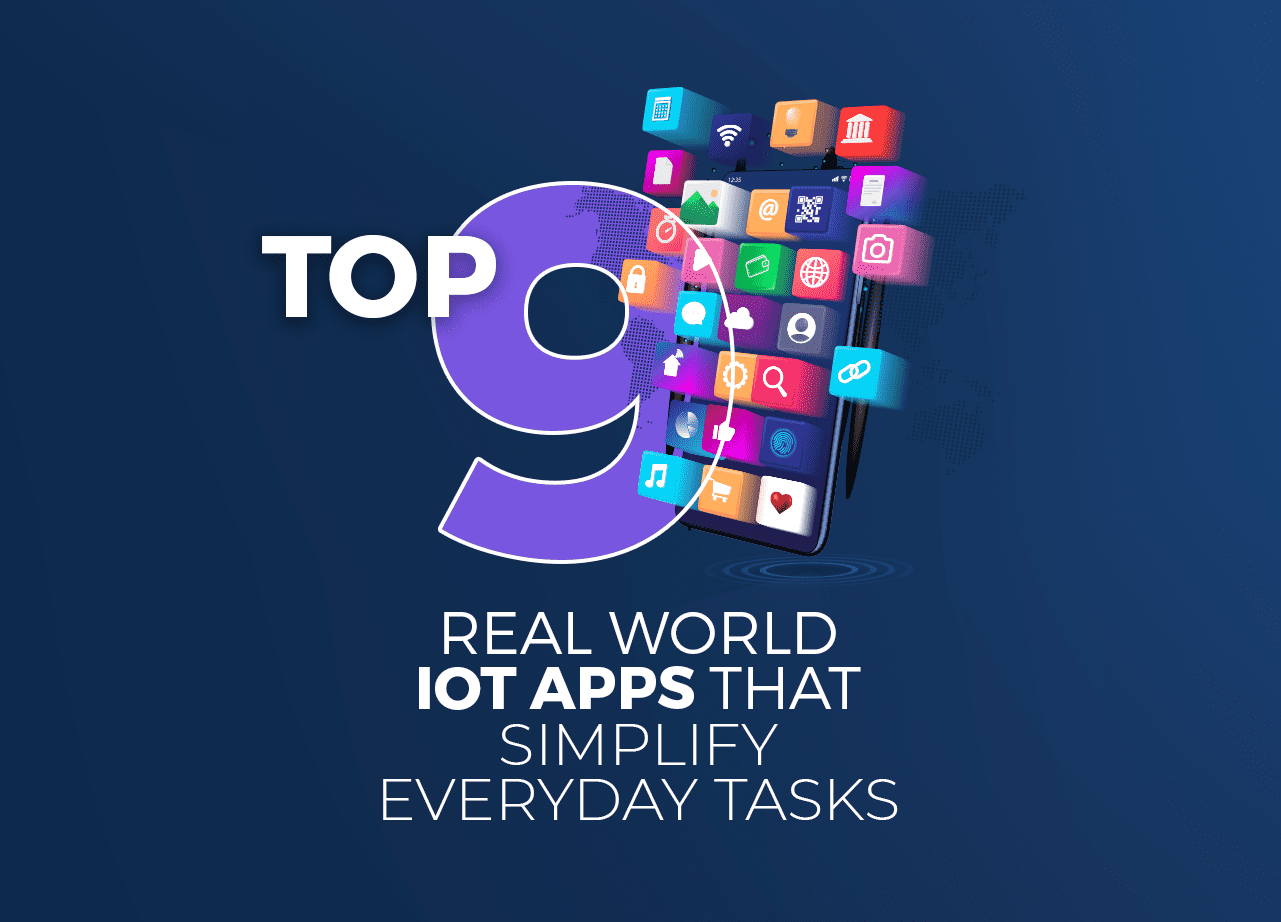
Top 9 IoT Applications in the world
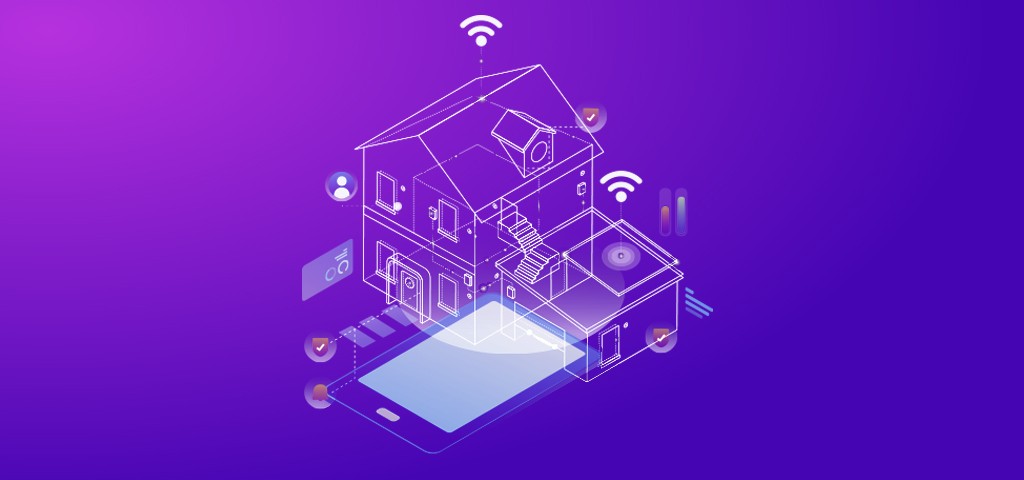
1. Smart Home
Even homes are smart now! IoT technology is solely responsible for the turn of such events. There are more than 42.2 million smart homes in the U.S. alone.
Imagine switching on the air-conditioning before you reach home from a hectic day of work or turning off the lights from your mobile app even after you have left home.
How is this even possible?
IoT makes it possible!
Smart homes allow you to manage your home devices from one place- your smartphone app. Monitoring and placing security measures, controlling electronics in the house- this is the foreseeable vision that IoT has for smartphones.
More and more companies are investing in IoT technology. With multinational corporations like Philips, Haier and Belkin joining the game, soon there will be even better innovative IoT home solutions.
2. Wearable devices
Apple Watch is one of the best internet of things examples in daily life. From your wrist, you can make and pick up calls, monitor your heart rate, number of steps you have walked, and be notified of alerts from your other apps on your iPhone.
But what roles does IoT play here?
Wearable devices are installed with sensors and software patches, which collect data and information about the users. This data is later pre-processed to extract essential insights about the user.
The pre-requisite from the internet of things technology for wearable applications is to be highly energy-efficient or ultra-low power and small-sized. There has been an increased investment in the retail industry for using this technology. Of all the IoT start-ups, wearable maker Jawbone is probably the one with the biggest funding to date- more than half a billion dollars!
3. Connected Cars
The automotive industry is now even more focused on making vehicles more automated and providing tech features that will enhance the in-car experience.
Automobile company Tesla is creating self-driving cars that are going to completely automate driving and take you from the start to the end of the destination without manually having to take control of the car. Using advanced hardware capabilities integrated with an extensive network of multiple networks, antennas, embedded software and technologies- it will completely assist in communication and navigation on the road.
As of now, most cars are IoT integrated and take real-time decisions controlling the vehicle operations like assisting in parking using proximity sensors and cameras.
Companies like BMW, and Mercedes are even more focused on using IoT for their new line of cars. BMW already has a feature for some of its top-end models that can self-park the car using IoT.
4. Industrial Internet
Industrial Internet is relatively new term. It is known as the Industrial Internet of Things (IIoT).
Imagine managing heavy types of machinery and devices in industries for power generation, oil and gas. It can get difficult to manage and keeping track of everything.
The driving philosophy behind IIoT is that smart machines are more accurate and consistent than humans in communicating through data. And, this data can help companies pick inefficiencies and problems sooner. IoT devices can send real-time updates to the end-user and make them aware of problems quicker. Empowered with sensors, software and big data analytics, brilliant IoT systems can be created for better quality control and sustainability.
5. Smart Cities
Smart cities, as its name suggests, is a big innovation and span a wide variety of use cases, from water distribution and traffic management to waste management and environmental monitoring. IoT solutions offered in the smart city sector solve various city-related problems, comprising of traffic, reducing air and noise pollution, and helping to make cities safer.
6. IoT in Agriculture & Farming
Smart farming is one of the fastest-growing fields in IoT. It is going to be $23 billion industry by 2022, as farmers worldwide are gearing up to utilize RFID, GPS, drones, sensors, and more to gather actionable data and to automate every part of the process.
With the world population rising, the demand for food supply is on a continuous rise. And to help farmers yield better crops, many governments are helping farmers use advanced techniques to increase food production.
Using IoT devices, farmers can gather meaningful insights that help monitor soil moisture and nutrients level. This helps the farmers water the section of the crops that require it.
Even the health of animals and cattle can be gathered using IoT devices that can help farmers know if there are any sick animals. This can help them separate the ill animals from the rest so that others don’t get ill as well, saving treatment costs.
7. Smart Retail
Smart retail is a term used to describe a set of smart technologies that are designed to give the consumer a greater, faster, safer and smarter experience when shopping. A world in which nearly everybody now carries around a smart device – i.e. the smartphone – is what has enabled this revolution in retail. The potential of IoT in the retail sector is enormous. IoT provides an opportunity for retailers to connect with the customers to enhance the in-store experience.
Smartphones will be the way for retailers to remain connected with their consumers even out of the store. Interacting through Smartphones and using Beacon technology can help retailers serve their consumers better. Using IoT beacons, companies can keep track of their customer’s journey through the store and using these insights they can optimize the store layout and place premium products in those areas of the store, where traffic is maximum.
8. Smart Grid
Power grids of the future will not only be intelligent, but also highly reliable. IoT implementation in such large electric grids helps create an intelligent system that can analyse and collect data in an automated fashion.
Smart Grids will also be able to detect sources of power outages more quickly, even at individual households. Smart grids are paving way for a cleaner environment for the future.
9. IoT in Health Care
The healthcare IoT market is going to increase to 534 billion by 2025. It comes as no surprise as IoT has so many benefits in this industry. With IoT tracking systems, hospital staff can get alerted immediately when critical changes in patients’ parameters occur- accelerating the processing of patients’ data. Normally it would take doctors hours to process different kinds of information. With IoT, it will only take a few minutes.
Now hospitals can even manage their instruments and medicines more efficiently. The unfolding crisis in the industry caused by the pandemic once again proved the importance of implementing technologies like IoT, big data and AI to enhance efficiency and improve safety in healthcare. Implementing IoT solutions is no longer about staying ahead of the competition, it is about making sure crises can be handled much better.
Summing up
The future of IoT is bright. It is going to change the way we live and work.
We at Communication Crafts help companies leverage IoT in their respective industry. Our teams of professional developers have the required expertise your projects would require. We understand your needs and put it into effect.
Bring your idea to life-get your IoT apps the way you want!
eLearning is unequivocally a big part of the future of education. Providing a more engaging and interactive learning experience, modern eLearning models are being preferred by students and teachers alike.
EdTech solutions deliver 25-60% knowledge retention, while traditional methods provide a mere 8-10%. That’s why eLearning solutions are in demand now more than ever.
Also, learning through modern eLearning models require 40-60% less employee time than in traditional education settings.
The importance and benefits of eLearning are well-established after the rise of EdTech startups. However, creating an eLearning platform is not as easy as one may think.
Read more on the impact of EdTech startups on the education industry.
Building a perfect online learning platform design requires careful considerations and planning.
That’s why our EdTech experts have encapsulated the top 9 tips for an ideal eLearning UX design in this blog.
Have a look!
Let’s start by understanding the meaning of UX design.
The User Interface is the frontend part of a website or an application.
The UI is responsible for the UX and the UX defines the level of satisfaction experienced by the end-user while using a digital product.
The ease of use, likability and accessibility of a website or application depends on the quality of UX design. Improving the UX design is the series of actions taken to enhance the interaction of the digital product with the end-users.
A User Interface that resonates and engages with your audience while maintaining clear and simple navigation is an ideal way to plan your UX design.
How to Improve your eLearning Architecture Design?
Students, teachers and parents are preferring eLearning models because of their level of convenience and ease of use. Having an unsatisfactory eLearning platform design defeats the whole purpose of switching from traditional learning methods.
Here are 9 tips to enhance your eLearning UX design:
1. Easy & Simple Navigation
Ease of use and navigation is an integral part of any modern eLearning design. A well planned and structured navigation delivers information access with ease, letting the users navigate through content using straightforward and familiar controls.
Easy navigation increases customer engagement and minimizes bounce rate, allowing your users to reach the required content without wasting time on learning the functionalities of your eLearning UX design. Simplicity and ease of use are pivotal for EdTech development.
This feature also increases your learners’ knowledge retention by facilitating easy content consumption.
2. Gamification
Motivation is a crucial part of the learning experience, and this is where Gamification shines. Gamification is the use of game-like elements in the learning process, for example, embedding progress bars, motivation stickers, leaderboards, point systems, engaging quizzes, trophies, badges, etc.
This technique keeps the learner engaged in a game-like scenario, where the user keeps trying to progress through the levels, gaining more and more knowledge in the process.
Gamification is a necessary and unavoidable feature of online learning platform design. Along with motivation and engagement, gamification features like progress bars and point system helps the instructors in staying updated with the learners’ progress, enabling easy performance tracking.
This feature also creates a sense of competition among learners who are trying to gain badges or stickers in the learning process, boosting motivation even more.
3. Effective Learning Environment
Users often prefer a learning environment that teaches them through experiences, and that’s why an effective learning environment is pivotal for a successful eLearning architecture design.
Real-world applications motivate learners to find value in the learning experience.
New educational content should be built up from the users’ prior experiences and knowledge.
Problem-solving and critical thinking exercises help the learners to gain awareness of their expertise while comparing it with others’ results.
An ideal eLearning architecture design must have a platform for collaboration and communication among students to learn new content.
Creating a relevant and valuable learning experience is crucial to get the learners’ attention and deliver lessons/courses that make a difference.
4. Compatibility Across Various Devices
Remote learning and the convenience to learn whenever and wherever is of paramount importance in an eLearning architecture design.
User interfaces designed only for landscape screens can be problematic in portrait mode on mobile phones. Mobile-friendly eLearning UX design delivers high flexibility to your users. Develop a highly responsive eLearning platform design and stay one step ahead because content consumption is mostly done on smartphones nowadays.
Also, keeping a highly responsive eLearning architecture design provides a personalized learning experience and gives the learners control over the learning process.
5. Valuable & Well-Planned Content
Content is everything when it comes to planning your eLearning architecture design.
First of all, your modern eLearning design must facilitate multimedia learning for maximum knowledge retention, providing audio and video content along with the text. Visuals enhance the learning process to a great extent, combining visuals with texts help the learners remember complex concepts with ease.
Users are more inclined towards scanning a web page instead of reading it from word to word. They analyse the important parts of the content and search for relevance. That’s why the content design in your eLearning platform design must consider the F-shaped reading pattern.
The first lines of any paragraph receive more attention than the rest of the content. That’s why text formatting is extremely important along with attractive and informative headings and subheadings.
6. Micro Interactions
Microinteractions and feedback make the learning experience simpler and easier for the learners. Distinct animations, clear navigation and calls to action nudge the user in the right direction, helping them use your eLearning platform more efficiently.
Also, push notifications can be beneficial for your eLearning platform design. It is an easy way to interact and connect with your users and keep them updated about the courses and training programs effectively.
Alerts, updates, offers, suggestions, etc. through push notifications can conveniently convey your message and provide a nudge to execute the required actions. Moreover, you can send personalized messages in the learners’ notifications to make them more motivated to learn and more engaged with your eLearning architecture design.
7. User-Centric UX Design
Your eLearning architecture design must reflect your user’s personality, needs, and wants. Research and understand your target audience for optimum results.
For example, your modern eLearning design may differ according to different age groups:
Younger kids would prefer attractive colors to captivate their attention;
Teenagers would prefer relevant content to keep them interested;
Adults would like to see real-world applications in the learning content.
The more you understand your target audience, the better you can plan your online learning platform design. Consider your users’ short-term and long-term goals, prior knowledge and skills, behavior patterns, and more.
8. Reuse Best Practices
Research and study your competitors and similar eLearning UX designs for inspiration. Innovation is not always the way, sometimes repeating and reusing already existing best practices is the ideal way to go.
It is generally helpful for your users if your modern eLearning design is similar to other eLearning platforms.
Take your time to learn what already works, giving you a basic idea of what people prefer in an eLearning platform design. Understand the basic design used by other eLearning platforms, gain inspiration, and then create your own eLearning design.
This makes your eLearning UX design even more simple to navigate and easy to use because people would have already used similar patterns and controls on other well-established websites.
9. Accessibility & Comfortable Display
Every aspect and element of your eLearning architecture design determines the level of accessibility of your eLearning platform. From fonts to colours, everything must be carefully planned. Font size should be big enough to read and navigation elements must pop out different colours to direct the user towards it.
Providing different modes of display colours provides more flexibility to your users. Dark mode or reading mode increases accessibility to a great extent.
Providing warmer colours makes it easier for the users to consume content, makes your eLearning UX design more appealing and delivers a pleasurable learning experience.
Your eLearning platform design must not overwhelm the users. More than required cognitive load can lead to a higher bounce rate. Provide familiar themes, relevant content and simple instructions for an easy and effortless learning process.
Final Thoughts
A carefully planned eLearning UX design is pivotal for delivering an effective and efficient learning experience. The aforementioned tips motivate and aid the learners to consume content easily and understand concepts quickly.
eLearning models have changed and revolutionized the education industry. From easy navigation to accessibility, every tip discussed in this blog is crucial for building an eLearning platform that satisfies your audience and attracts potential ones.
If you require assistance in developing the perfect UX design of your eLearning platform, feel free to contact us.
Communication Crafts is a performance-driven and experience-led EdTech development company that provides cost-effective solutions to match and exceed your expectations.
Our high-skilled eLearning developers can create custom-tailored, cutting-edge EdTech solutions according to your requirements.
From small businesses to large-scale enterprises, everyone needs high functioning and efficient web applications, and the PHP frameworks are the first choice for developers for building highly scalable web applications.
Two of the best-suited PHP frameworks for developing enterprise-grade web applications are- Symfony and Laravel.
Symfony VS Laravel is an extremely difficult choice to make for business owners and web developers alike.
In this article, our experts have encapsulated a complete comparison between Laravel and Symfony by examining their most important aspects, benefits, drawbacks and use cases.
So without further ado, let’s discuss the basic definitions of Laravel and Symfony.
Laravel is an open-sourced PHP web framework, adored by developers for its exceptional benefits like server-side routing, blade templating, HTML authentication, etc.
Developed by Taylor Otwell and released in 2011, Laravel’s architecture is Symfony-based and written in PHP with reusable libraries and components.
This PHP framework can be used to develop dynamic, modern and robust web applications using the MVC architecture. Laravel provides many tools and benefits for developing a flexible backend for full-stack development, SaaS products, high performing web applications and more.
What is Symfony?
“A PHP Web Framework with Reusable PHP Components”
Symfony is a PHP-based web framework that is open-sourced in nature and follows the MVC architectural design. PHP developers enjoy using Symfony for building high functioning and scalable enterprise-grade web applications because of its Rapid Application Development (RAD) environment.
Initially released in 2005, the original author of Symfony is Fabien Potencier. The MVC pattern simplifies the development process and stabilizes the performance of the web application.
Additionally, Symfony can be efficiently used and integrated with the best front-end frameworks like React and Angular.
Popularity & Community: Laravel VS Symfony
In terms of most talked about or most discussed, the data from StackOverflow provides a clear comparison between Symfony VS Laravel:
Symfony maintained its popularity over the years, but Laravel’s popularity soared right after its inception, making it clear that Laravel is the most talked about or asked about PHP framework when compared between Symfony VS Laravel.
The following data by statisticsanddata provides a clear picture about the popularity in terms of usage:
As of March 2021, Laravel is the most used among the top backend frameworks, proving once again, the significance of Laravel around the world.
Maturity and community support are significant aspects of a web development framework.
A well-matured framework with strong community support provides the necessary documentation, tools, libraries and source codes for an easy development process.
GitHub accurately represents the maturity for a web framework, let’s look at the data:
GitHub Stars
GitHub Forks
Laravel
67.4k
21.8k
Symfony
26k
8.4k
Performance: Laravel VS Symfony
Although Laravel is used for complex enterprise-grade web applications, the performance and speed can be slow at times. But there are many ways to enhance the performance by optimizing the backend logic, facilitating web applications to run efficiently and seamlessly below 20ms.
Already stored data and information can be utilized to further improve the performance and latency of a Laravel-based web application with the help of cache tags.
Symfony is also used for delivering high performing enterprise-grade web applications, showing better performance than many other backend frameworks.
Here’s the data from a study conducted to test the performance and memory usage of the top PHP frameworks:
According to the above-mentioned data, Symfony requires more time to execute functionalities and consumes the most memory when compared to other PHP frameworks. Yet, Symfony is still widely accepted because it is used for large-scale projects, and heavy web applications require more time and memory to execute complex functionalities.
Scalability: Laravel VS Symfony
Many enterprise-grade web applications are using Laravel and successfully scaling up over the years. Being a PHP-based framework, continuous support and maintenance are available from the ever-growing community, making it ideal for businesses of all sizes.
Maximum scalability can be attained by using an effective database management system like MySQL. The load balancer and modern caching systems can also be used to enhance scalability even more.
Symfony is ideal for large scale web projects because of its high scalability. It uses a set of reusable PHP components with third-party containers for efficient and convenient scaling.
This PHP framework utilises Kubernetes to further enhance its flexibility and scalability. To manage more and more users on your Symfony-based web application, you must adhere to the following suggestions:
Cache storage should be done using Redis
Handle filestores by utilising FlySystem
Architecture: Laravel VS Symfony
Laravel is based on the Model-View-Controller framework architecture which allows the developer to segregate different parts of the web application for an easy and efficient development process. For instance, one developer can work on the frontend part of the development, while another develops the backend logic at the same time.
The MVC architecture offers complete control to the developer in the development process. Additionally, the codebase and the backend logic can easily be reused with an MVC architectural pattern along with effortless API integrations and enhanced SEO capabilities. Therefore, the MVC structure helps you create web applications with flexible backends for long-term usage.
Symfony is also an MVC-based PHP framework with the same components: Model-View-Controller. This type of structure lets you handle different parts of the codebase logic separately.
For instance, if you need your web application to be compatible with handheld devices, you just have to modify the View component, without editing the codebase.
The Controller component is responsible for keeping the request protocol separated from the View and Model components. Each component can be tweaked individually without affecting other parts of the web application, maximising flexibility.
Testing: Laravel VS Symfony
Bearing in mind that Laravel is a PHP-based framework, there is an abundance of tools accessible for testing your web application, enabling a post-development testing process that delivers a flawless web application.
Testing in a Laravel-based web application occurs in two different levels:
Unit tests
Feature tests
The tools and documentation available for testing a web application in the Laravel framework are more than adequate. Additionally, developers can execute mock tests to make sure that the web application code is error-free and ready to launch.
Symfony facilitates efficient post-development testing with tools like:
Pretty Printer
Blackfire
PHPUnit
PHP developers can utilize Doctrine Bundles for easily spotting and eradicating bugs to reliably test the web application. Symfony allows you to run all types of tests on your web application- Functional tests, integration tests, unit tests, etc.
Microservices: Laravel VS Symfony
The Laravel PHP framework supports the microservices architecture quite efficiently. It divides the application logic in a modular pattern, separating them into small units which serves different functionalities.
APIs are used to link the modules and deliver constant communication with each other, providing the perfect environment for the microservices architecture.
Another lightweight alternative, the Lumen framework was developed specifically for using the microservices architecture with Laravel.
Symfony can be used with microservices architecture using the Microkernel feature. This enables rapid development speed with lesser coding and quicker deployment.
The Microkernel feature provides unique service containers that serve different functions. Whenever a user executes any function on your web application, these service containers trigger the required actions and functionalities.
Query builders like Eloquent ORM and raw SQL further enhance and simplify the interaction with the database management systems. The web application development process is completely unconstrained with the available database management systems in Laravel.
Symfony interlinks database with the help of Doctrine ORM. This PHP web framework connects the database with the objects by utilising data mappers. This structure keeps the database and object model segregated, enabling high flexibility as any modifications made to the data won’t affect the codebase.
Symfony facilitates a wide range of Database Management Systems:
SQLServer
SQLite
PostgreSQL
SAL Sybase SQL Anywhere
Oracle
Drizzle
MySQL
Pros & Cons: Laravel VS Symfony
Now that we have discussed the comparison between the significant aspects, let’s look at the pros and cons of Laravel and Symfony
Advantages of Laravel:
Pre-built packages are available for executing simple functions like testing APIs and user authentication, further simplifying the web app development process;
Blade Templating system lets you modify data and add new features/modules without affecting the web application logic;
Reverse Routing automates the creation of URIs (Uniform Resource Identifiers), increasing flexibility and creating a connection between relevant links and Laravel routes;
Artisan CLI facilitates the automation of repetitive tasks in the web application, increasing usability even more;
Post-development testing is also automated in the Laravel PHP framework, saving valuable time and creating an environment for launching bug-free web applications;
In-built security system features efficient authorization and authentication, providing a safeguard against unauthorized or unregistered users. Also, Laravel’s Object-Relational Mapping (ORM) utilises PDO that fends off hidden or unintended SQL injections.
Advantages of Symfony:
High flexibility: Allows modifications and tweaks to the codebase from design to deployment;
High Scalability: Allows you to utilise pre-built bundles to add features and functionalities;
Twig Engine: One of the most powerful and popular PHP template engines;
Time-Saving: Facilities rapid development speed with reusable components;
Stable Environment: Features stable functioning in all versions with continual support from the community;
Caching: Offers exceptional caching management with efficient database management systems, improving the performance and speed of the web application.
Disadvantages of Laravel:
The Laravel is a lightweight PHP framework, it can feel like a benefit in some cases but it adversely affects the performance of the web application due to data bottleneck;
Even though Laravel is open-sourced with large community support, it gives rise to undependable third-party libraries;
System upgrades may cause problems to the web application, that’s why it is recommended to take precautions before updating the Laravel version.
The development process seems slower when compared to other PHP frameworks in some cases.
Disadvantages of Symfony:
Steep Learning Curve: Symfony is difficult and time-consuming to master for developers;
Symfony requires more time to build a web application sometimes because it requires high technical proficiency;
Parsing Problem: Lever and Parser codes are difficult to access and test;
Symfony-based web applications deliver low performance at times like when there is a sudden surge of users.
Use Cases: Laravel VS Symfony
When should you use Laravel?
Steaming platform web applications;
EdTech web applications;
Web applications for stock trading;
Recognition and rewards based web applications;
SaaS-based web applications;
CMS systems with multilingual functionalities;
Monitoring and tracking apps for website performance;
SEO-friendly web applications;
Web applications with unmatched security to prevent SQL injections, unauthorized users, etc.
When should you use Symfony?
Single Page Applications
Content Management System (CMS)
Social Networking Websites
Intranet tools and software
Enterprise-Grade Web Applications
Bulletin Board Software
Web Applications with real-time data
Customizable and scalable marketplace
Conclusion
Between Symfony VS Laravel, it is extremely difficult to declare a definitive winner because of the similar use cases of these PHP frameworks.
Laravel VS Symfony is a long-standing debate among web developers and business owners. Both Laravel and Symfony are ideal for building enterprise-grade web applications with minor differences. Laravel exhibits high usability, while Symfony facilitates better database and caching management.
You have to leverage the minor differences and balance the pros and cons to make well-informed decisions for your web app development. We hope this guide has helped you in your decisions.
If you need further assistance, feel free to contact us.
With a wide range of clientele and 16+ years of hands-on experience, Communication Crafts provides expert Laravel developers and top-notch PHP development, delivering highly scalable and result-driven web development solutions for building top-quality web applications.
Building your present, for a fruitful future.
From design to deployment, get end-to-end web development solutions. You’re in the right place!